

Key points
- Prof. Dr. Andreas Buske came to Zwiesel in 1999 on behalf of Schott to restructure the glassworks or wind it down. In 2001, he and Dr. Robert Hartel bought it themselves.
- A rigorous focus on quality and brand meant cutting the product range by around 70 per cent. In 2002 came Tritan® crystal glass, which is break-resistant and dishwasher-safe.
- Today ZWIESEL FORTESSA supplies glassware, porcelain and cutlery to hotels and restaurants worldwide. The glass brand Eisch joined the group in October 2025.
- With its Transition series, ZWIESEL FORTESSA has developed glasses designed specifically for alcohol-free drinks.
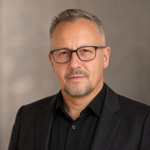
For Prof. Dr. Andreas Buske, a wine glass is more than an object. Whenever he is handed a glass from Zwiesel somewhere in the world, he thinks of the Bavarian Forest, of the people at the factory and of a decision that changed his life. “It is a piece of home. A piece of where I come from. A piece of identity,” he says in a written interview with eingecheckt®. In 1999, it was by no means certain that he would one day speak about the company in this way. That year Buske was sent to Zwiesel by the Schott group. His task: to restructure an ailing glassworks or prepare for its closure.¹
Today, the former rescue case has become an internationally successful company that develops, produces and sells premium tableware. Under the name ZWIESEL FORTESSA, the group supplies hotels and restaurants around the world. Yet this success story did not begin with an extraordinary glass or a major marketing campaign. It began with the conviction of two managers that a company steeped in tradition had more of a future than its figures at the time suggested.
When people mattered more than the numbers
A trained industrial engineer, Buske had previously worked in an advisory role at Schott in Mainz.¹ When he arrived in Zwiesel in 1999, he found a business whose financial difficulties stood in stark contrast to the skills of its workforce. Together with Dr. Robert Hartel, then chairman of the management board, he increasingly asked himself whether the company itself was the problem or rather the direction it had taken.
“It was less a single moment than a gradual process of growing into the role,” Buske recalls. He was particularly impressed by the people, with their exceptional expertise, their experience and their bond with glass as a material. Together with Hartel, he eventually became convinced that it was not the company that was set up wrongly, but its strategy. A restructuring assignment turned into a personal business decision.
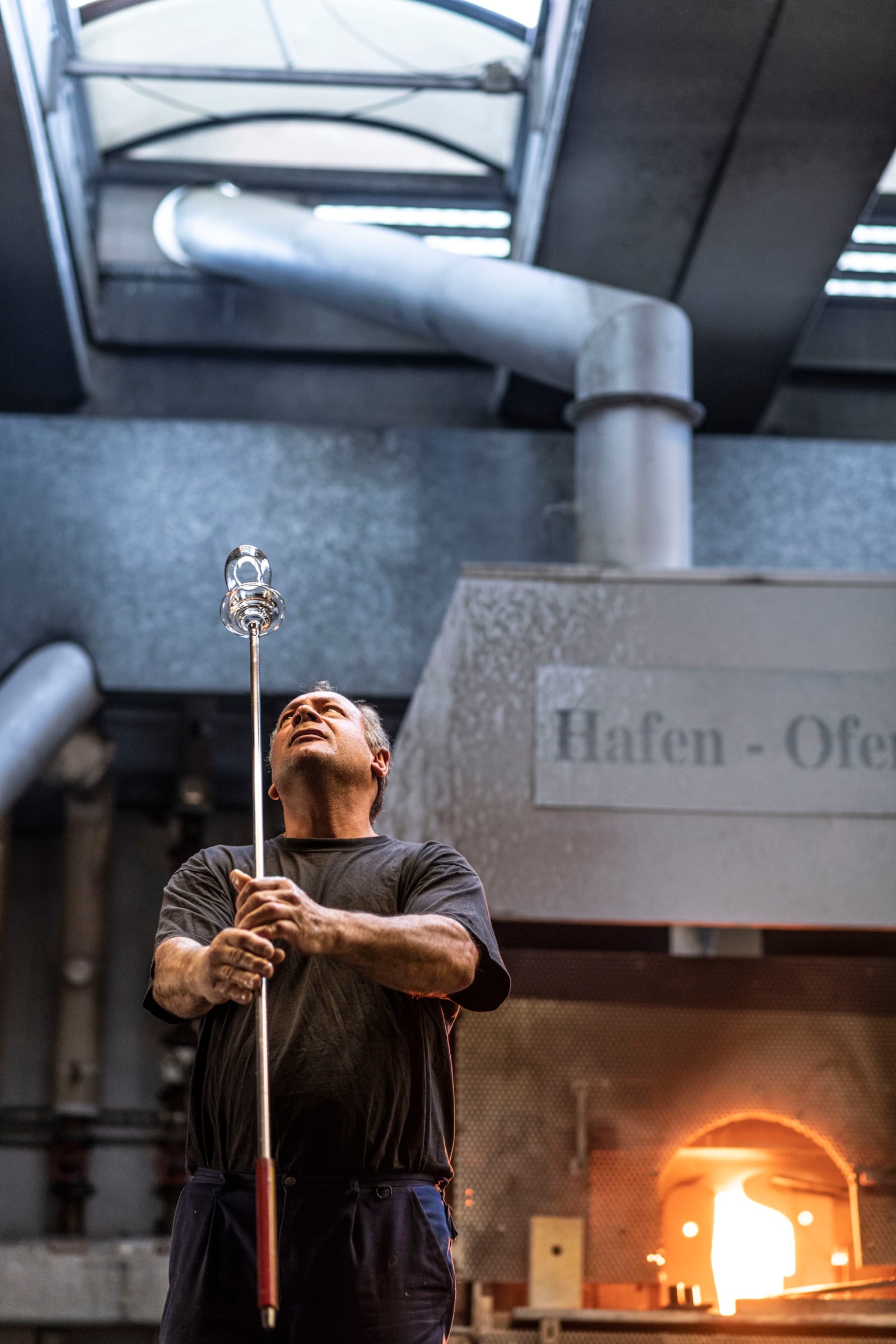
In 2001, the two managers took over the company themselves in a management buyout.² From then on, they were responsible not only for the turnaround but also for the financial risk of their decisions. The previous focus on producing the largest possible volumes was to give way to a consistent quality and brand strategy. The new guiding principle was “brand before volume”.
A 70 per cent smaller range – and difficult decisions
What sounds like a successful brand strategy today meant painful cuts at the time. Around 70 per cent of the existing range was dropped. The company refocused on products that set it apart from competitors through quality and distinctive properties. At the same time, production capacity had to be reduced.
“The hardest step was certainly the tough cut we made in 2001,” Buske says looking back. What he means is a cut in staff: the company had to part with some of its workforce at the time. The realignment was necessary, he explains, to give Zwiesel a recognisable profile and an economic future again. Today, the group once again employs more than 1,000 people worldwide.¹
As early as 2002, the development of Tritan® crystal glass marked a technological milestone. The material combines high brilliance with exceptional break resistance and dishwasher durability – qualities that matter especially in hotels and restaurants.² Combining high-quality design with everyday practicality became a key part of the brand’s positioning. Today, the Weltmarktführer-Index lists ZWIESEL FORTESSA as the leading company in crystal glass for upscale hotels and restaurants – and the company has just received this distinction for the 11th year in a row.³
Why a good glass is no longer enough on its own
Glasses from Zwiesel are used today at the Adlon in Berlin, the Burj Al Arab in Dubai and The Peninsula Hong Kong, among others. For Buske, this is more than confirmation of product quality. When he comes across a glass from his own company on his travels, what he thinks of above all are the people whose craftsmanship and experience went into making it.
For a hotelier, however, the question of what makes a good glass is initially far more practical. It has to suit the property’s positioning, feel pleasant in the hand, look convincing and withstand the demands of daily service. Beyond that, a professional host expects reliable deliveries, advice and a contact who understands the operational requirements.
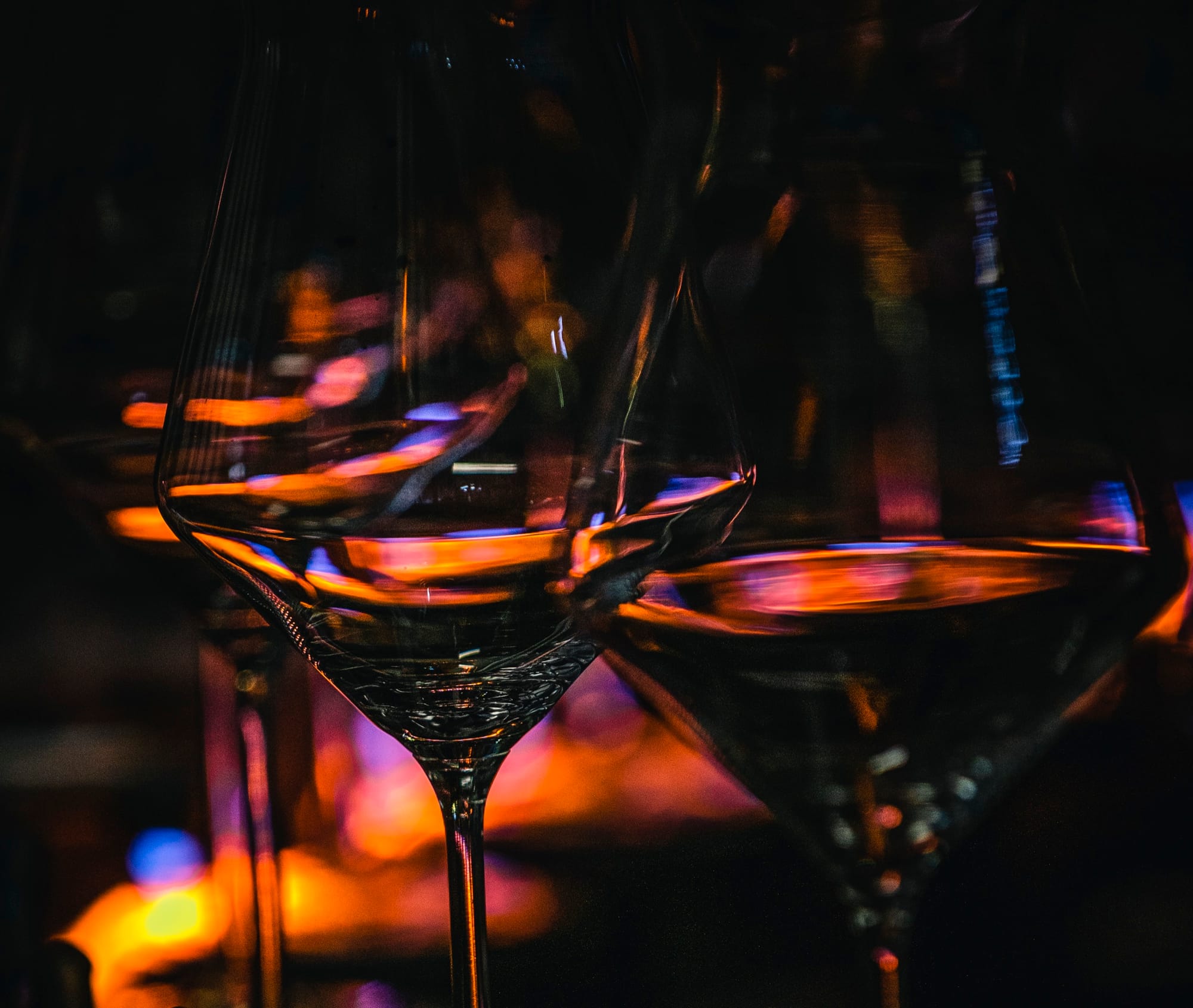
This is why Buske describes his company’s formula for success as an interplay of “hardware, serviceware and brandware”. Product quality, he says, is only one part of it. Reliability, service and long-term customer relationships matter just as much. With its “Easy to Deal With” approach, ZWIESEL FORTESSA aims to make working together as straightforward as possible, from selection and sampling to delivery and after-sales support. For hotels whose staff need to concentrate on guests, this reliability can matter more than a particularly unusual individual product.
What ZWIESEL FORTESSA learned from American luxury hotels
Another decisive step followed in 2022 with the acquisition of its long-standing US partner Fortessa Tableware Solutions. This created today’s ZWIESEL FORTESSA group, which offers porcelain, cutlery and other products for the laid table alongside crystal glassware. Since October 2025, the traditional glass brand Eisch from the Bavarian Forest has completed the portfolio.⁴
The North American market in particular changed Buske’s view of what hotels need. With its full portfolio, the group is represented in around 80 per cent of top properties in the US. There, he explains, the laid table is seen far more as a coherent experience. The focus is not on the individual wine glass or the especially beautiful plate, but on how they work together.
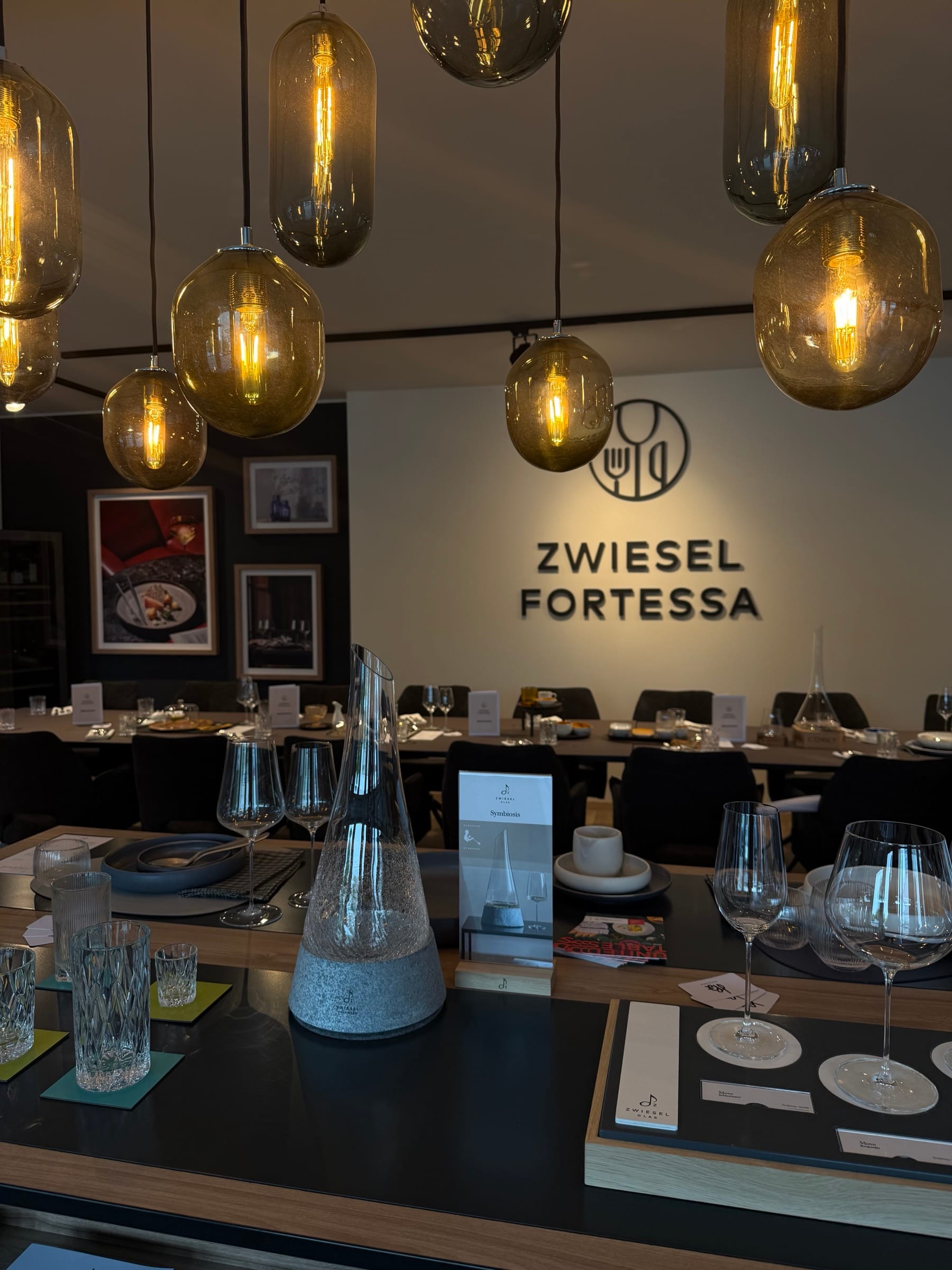
For European hoteliers, this idea is well worth considering. A restaurant’s tableware is more than a collection of functional objects. Together, glass, porcelain and cutlery shape how guests perceive a table and what they expect from the food. The move from glass manufacturer to supplier of complete table concepts is therefore also a response to the changing expectations of professional hosts.
Alcohol-free drinks are changing table culture too
How much these expectations are shifting can be seen in a comparatively recent development: the growing importance of alcohol-free drinks. Where wine and classic spirits once determined the choice of premium specialist glasses, new requirements are now emerging from sparkling tea, kombucha, fermented drinks and elaborate alcohol-free pairings with tasting menus.
Buske sees this as a long-term change in consumer behaviour. More mindful lifestyles and the so-called NoLo trend – drinks with no or low alcohol – are opening up new opportunities for manufacturers, too. With its Transition glass series, ZWIESEL FORTESSA has therefore developed a collection designed specifically for the sensory demands of modern alcohol-free drinks.⁵
This development shows how closely the future of a supplier can be tied to changes in hospitality. When guests’ drinking habits change, it is not enough in the long run simply to offer existing products in new variations. Manufacturers need to understand the experiences that hotels and restaurants want to create in future.
The future also lies in the hands of the glassmakers
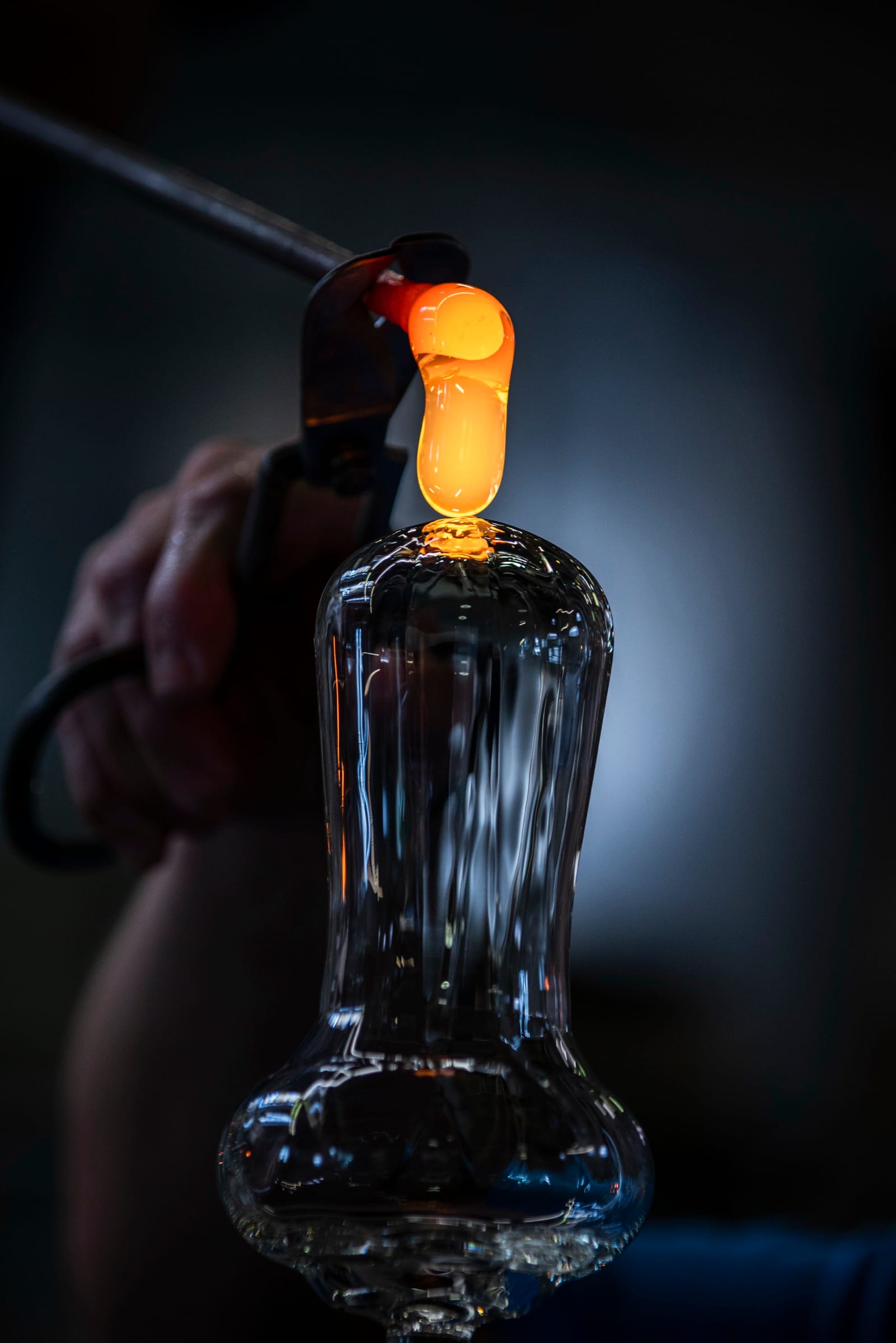
Despite international expansion and new business areas, the Bavarian Forest remains a central part of the company’s identity for Buske. This is especially true of the acquisition of the Eisch brand. Its particular expertise in glass finishing not only extends the group’s luxury segment. For Buske, it is also about preserving craft knowledge that has grown up in the region.
This is about much more than tradition. In his view, inspiring young people to work with glass also means showing them how modern technology, design and craftsmanship come together. The company therefore focuses on passing knowledge between generations and on development opportunities for its employees.
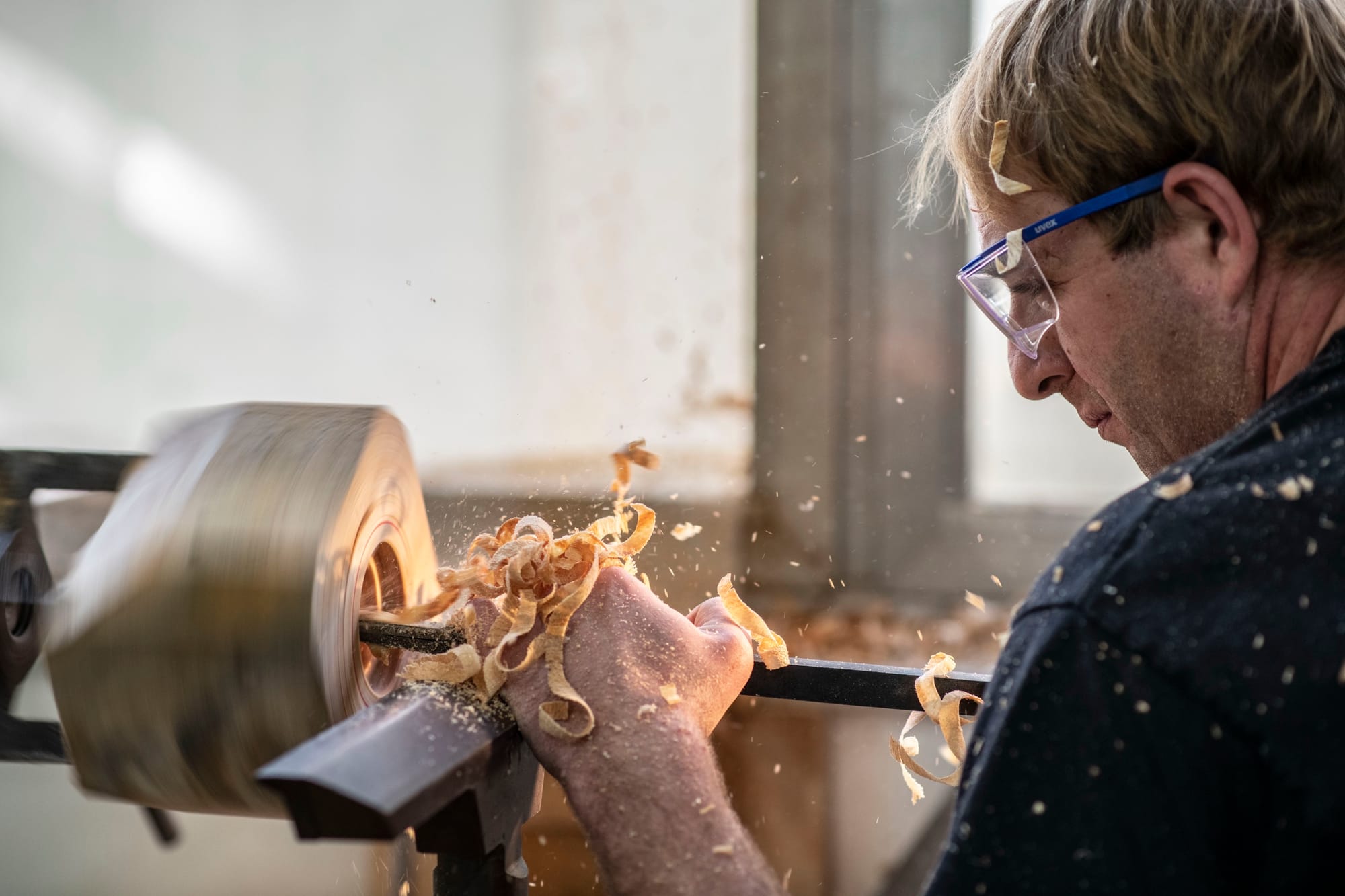
In the end, Buske’s story leads back to the glass he occasionally finds in his hand on his travels. More than a quarter of a century after his arrival in Zwiesel, the company is in a completely different place, both financially and internationally. What has apparently not changed in his attitude is his regard for the people behind the products.
So how can a hotel guest actually tell a really good glass? For Buske, it is not just about price or a striking design. A good glass should sit well balanced in the hand, have a pleasant feel and a harmonious sound, and support the drink without pushing itself into the foreground.
“A really good glass doesn’t make the moment louder – it makes it more intense.”
Perhaps that is also a fitting description of what makes for great hospitality.
This article draws on an original written interview, company information and further publications.
-
ZWIESEL FORTESSA (2026)
Management
Company website, accessed 30 October 2026. Career of Prof. Dr. Andreas Buske, his move to Zwiesel in 1999, the management buyout and key company figures. Original publication in German. -
Wirtschaftsforum (2023)
Glas mit ganz eigener Note
Interview with Prof. Dr. Andreas Buske. The 2001 management buyout, the focus on the brand and the development of Tritan® crystal glass in 2002. Original publication in German. -
Weltmarktführer-Index DACH (2026)
Zwiesel Kristallglas AG
Company profile, accessed 30 October 2026. Classification as world market leader in crystal glass for upscale hotels and restaurants. Original publication in German. -
ZWIESEL FORTESSA (2025)
Presse & News
Press releases 2025 and 2026. Integration of Fortessa Tableware Solutions in 2022, renaming as ZWIESEL FORTESSA AG and expansion of the portfolio. Original publication in German. -
Zwiesel Glas (2026)
Serie Début
Product page, accessed 30 October 2026. Glass collection for alcohol-free drinks such as sparkling tea, kombucha and mocktails; offered to hotels and restaurants as the Transition series. Original publication in German.


