While many holiday hotels close after the autumn season, Naturhotel Weihrerhof in South Tyrol remains open until December. But does extending the season make financial sense for a family-run property with just 23 rooms? Hotelier Klaus Pichler talks about weaker demand, shorter stays, financial risks and his belief that not every business decision should be driven by room rates alone.
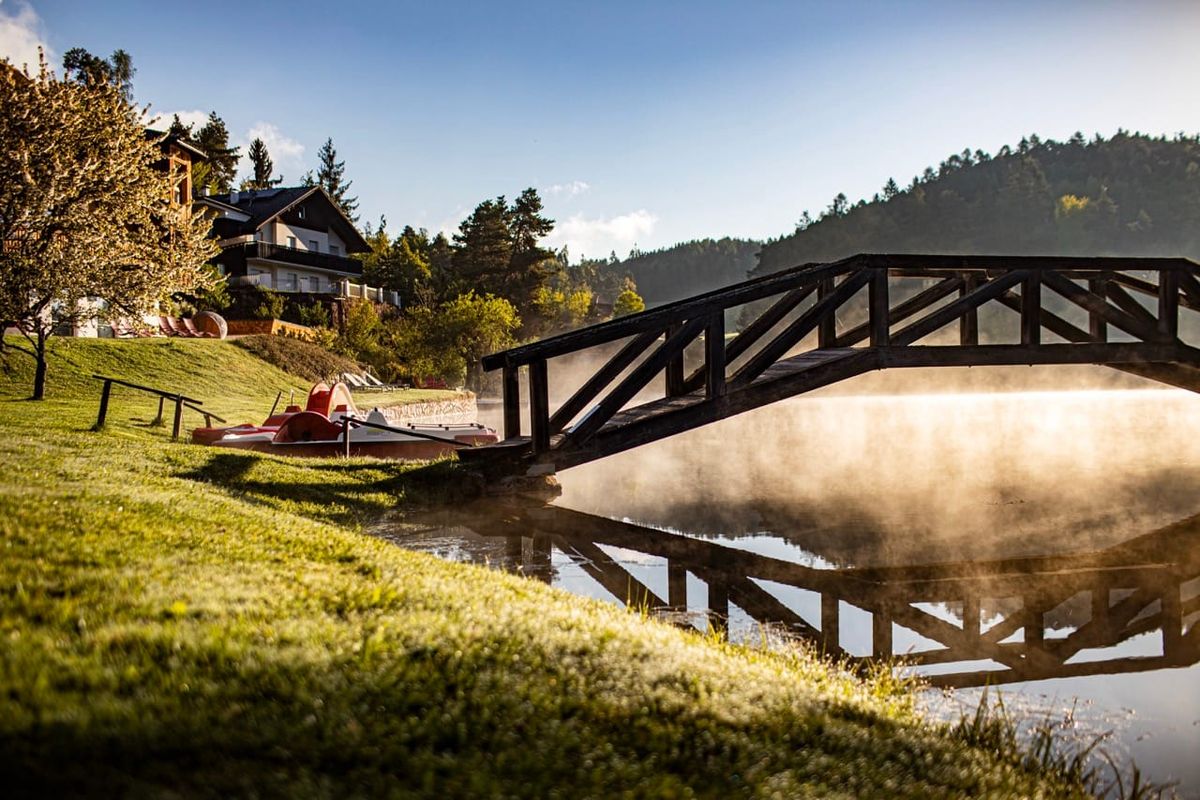
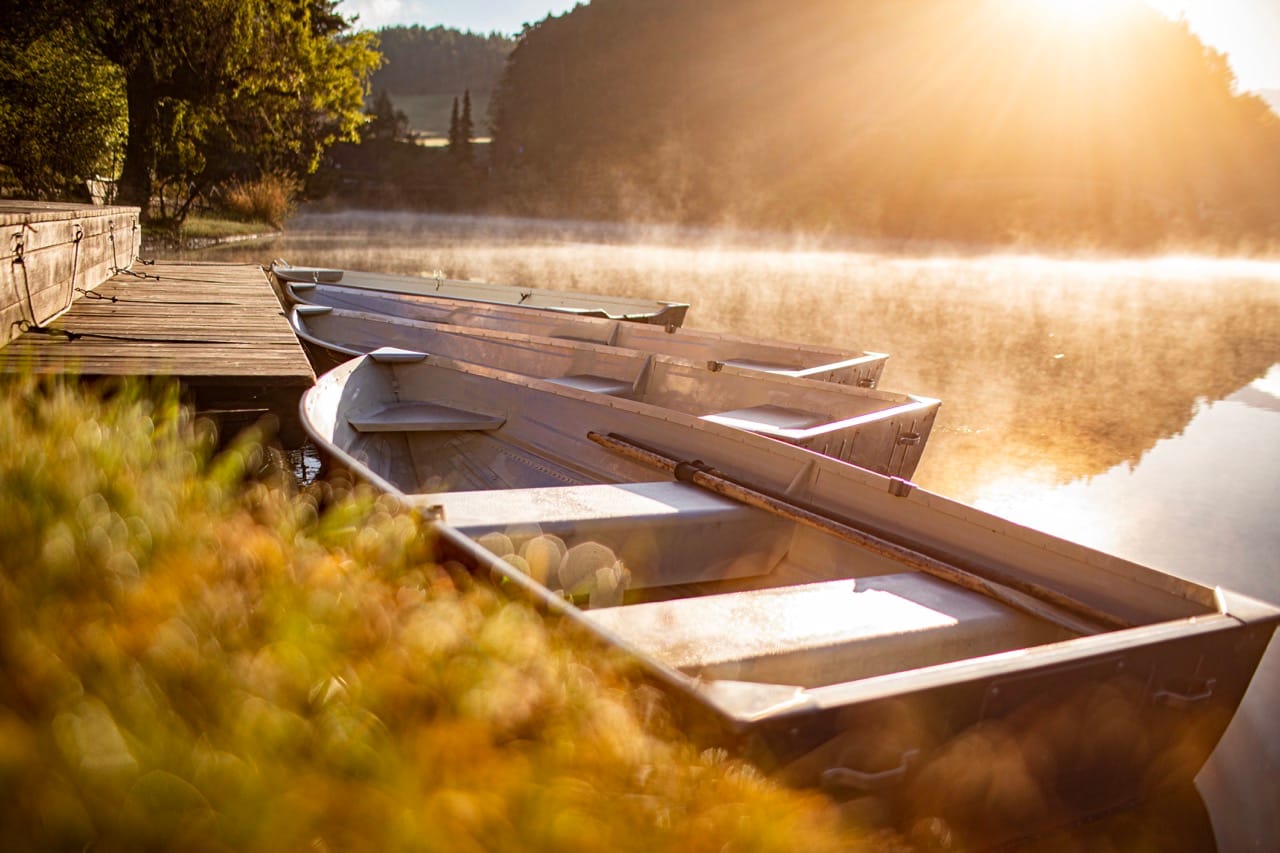
On the shores of Wolfsgrubener See, on the Ritten plateau above Bolzano in South Tyrol, the contrast between peak season and low season is particularly striking. In summer, swimmers and day visitors bring the lake to life. By late autumn, the atmosphere has changed. Mist settles over the water, temperatures fall and the walking trails grow quieter. For many holiday hotels, this marks the end of the season. Klaus and Manuela Pichler, who run Naturhotel Weihrerhof, see it differently. They want to demonstrate that their region is worth visiting even when the traditional summer holidays are long over.
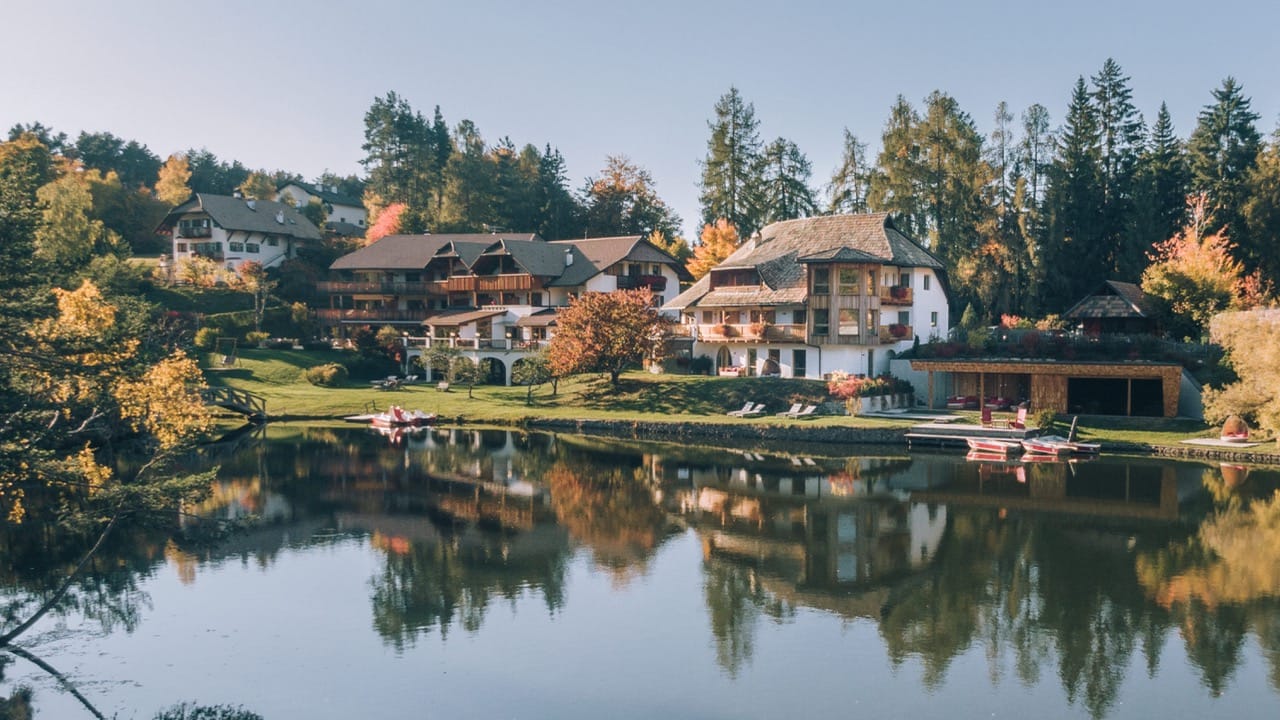
The family-run hotel sits approximately 1,200 metres above sea level, directly beside the lake. It has 23 rooms, private lake access and a wellness area featuring a boathouse sauna. In 2026, the property will remain open until 13 December.¹ Yet this decision is about considerably more than selling a few additional room nights. The couple want to extend their operating season, provide their team with employment for as much of the year as possible and attract guests who appreciate precisely the tranquillity that this time of year offers. Whether the strategy will prove financially sustainable in the long term remains an open question, even for Klaus Pichler himself.
A Month When Demand Drops Sharply
Official tourism statistics illustrate just how pronounced South Tyrol's seasonal fluctuations can be. According to the Provincial Institute of Statistics (ASTAT), the region recorded 2,713,951 overnight stays in October 2025.² In November, that figure fell to just 799,515.³ The number of overnight stays therefore declined dramatically within a single month. However, November 2025 also recorded growth of 5.1 per cent compared with the same month in the previous year.³ Demand has by no means disappeared, but the market is considerably smaller than during the busier travel periods.
For a small hotel, the crucial question is whether the additional revenue generated by staying open can cover the ongoing costs. Energy, staffing, food service and the rest of the hotel's infrastructure continue to incur expenses even when rooms remain unoccupied. In a property with just 23 rooms, a handful of missing bookings can make a noticeable difference. Klaus and Manuela Pichler began exploring the idea of establishing November as a holiday month before the COVID-19 pandemic. Their plans were interrupted by the crisis, but they have since returned to the concept with renewed determination.
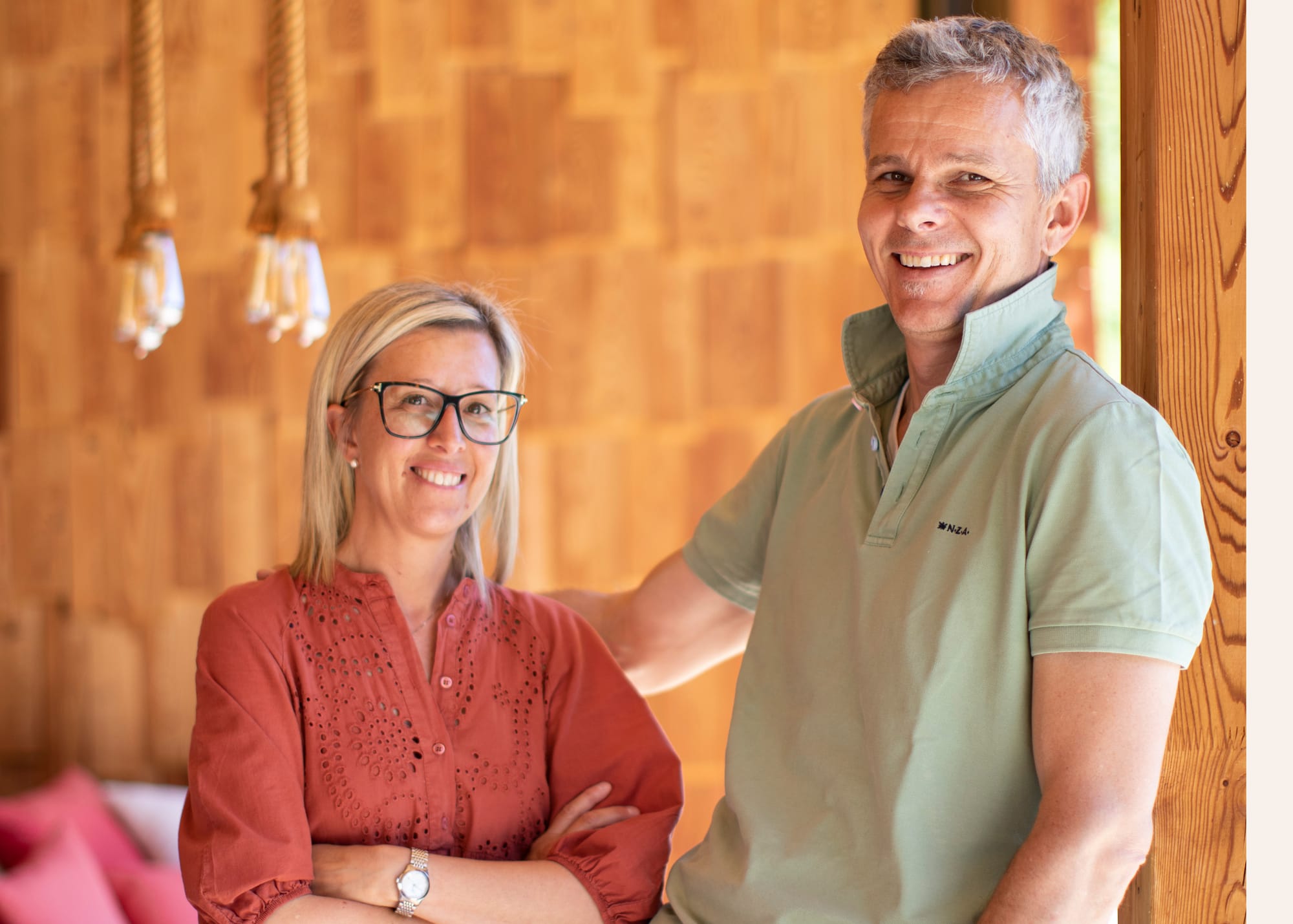
Klaus Pichler is remarkably open about the fact that the extended season has not yet become a financial success story. "And I certainly wouldn't claim that November is already running smoothly for us. We're still quite a long way from that," he explains. Together with his team, he is trying to identify which offers work during this period and which travellers might be interested. His aim is not to make Weihrerhof attractive primarily through low prices, but to communicate the property's distinctive character beyond the peak season.
Attracting Guests Without Competing on Discounts Alone
The conventional approach to stimulating demand during quieter periods often involves reducing prices. Weihrerhof also uses limited-time promotions, including offers that provide guests with an additional night at no extra charge.¹ These packages are intended to make weekdays more attractive and encourage visitors to extend their stays. For Pichler, however, such promotions must be used carefully. He does not want price to become the main reason why someone chooses his hotel.
From a business perspective, that caution is understandable. Additional bookings do not automatically improve profitability. What matters is the revenue that remains after the associated costs have been taken into account. Offering a complimentary night can make financial sense when it fills otherwise unused capacity and generates a sufficient contribution towards operating costs. But it can also reduce average revenue without creating enough additional demand to justify the discount. Without detailed booking and financial data, it is impossible to determine the actual impact of these offers at Weihrerhof.
For the couple, extending the season is therefore a matter of gaining experience and continually adapting their approach. As owners of a family-run business, Klaus and Manuela Pichler can make many decisions independently, but they also bear the financial consequences. That freedom allows them to experiment, although it offers no guarantee of success. Pichler describes November as an ongoing process in which some ideas work, others are less effective, and certain measures simply require more patience than initially expected.
Why One Hotelier Wants His Guests to Stay Longer
Another development particularly concerns Klaus Pichler: the growing demand for short breaks. According to his own figures, guests at Weihrerhof still stay for an average of almost six nights. He compares this with a South Tyrolean hotel benchmark of approximately four nights, although no separate statistical dataset has been provided to substantiate that comparison. For Pichler, the longer average stay is about much more than an encouraging performance indicator. It reflects his personal philosophy of hospitality.
He believes that visitors only truly get to know a destination when they allow themselves enough time. Someone staying for a week can explore the surrounding area without constantly watching the clock, build relationships with the people working at the hotel and discover places beyond the region's best-known attractions. Pichler explicitly connects this approach with sustainability. A longer holiday does not automatically mean a lower environmental impact, but the journey to and from the destination is spread across more days. Guests may also travel at a more relaxed pace rather than attempting to visit as many attractions as possible within a short period. The RittenCard further encourages the use of public transport, including the historic Ritten railway and the cable car connecting the plateau with Bolzano.⁴
What makes this philosophy particularly interesting is that it does not always align with a purely rate-driven approach to hotel management. Klaus Pichler acknowledges that shorter stays can sometimes command higher nightly room rates at Weihrerhof. Nevertheless, he has spent years encouraging guests to stay longer. A higher nightly rate does not necessarily translate into greater profitability, however, as more frequent guest changes can also generate additional costs. Without access to the hotel's operating figures, it is not possible to establish which length of stay is actually more profitable.
The increasing demand for shorter autumn breaks nevertheless forces the couple to reconsider some of their assumptions. Longer stays remain a central part of their philosophy, yet many November guests appear to be looking for only a few days away. Pichler recognises the contradiction: "We have to step outside our comfort zone a little, too." For owner-operated hotels, this is a fundamental management challenge. A clear identity can be a major strength, but it must not prevent a business from responding to changing guest expectations.
The Same Facilities, but a Different Holiday Experience
One of the most interesting aspects of Weihrerhof's approach is that the hotel does not constantly try to create new attractions for the low season. Instead, it already possesses facilities whose value changes with the time of year. During summer, the lake is primarily a place for swimming and outdoor recreation. In autumn, it takes on a different character. The boathouse sauna directly beside the water, the indoor pool, relaxation areas and regional cuisine become particularly appealing to guests seeking rest rather than a packed activity schedule.¹ The hotel's core offering remains largely unchanged, but the way visitors experience it is different.
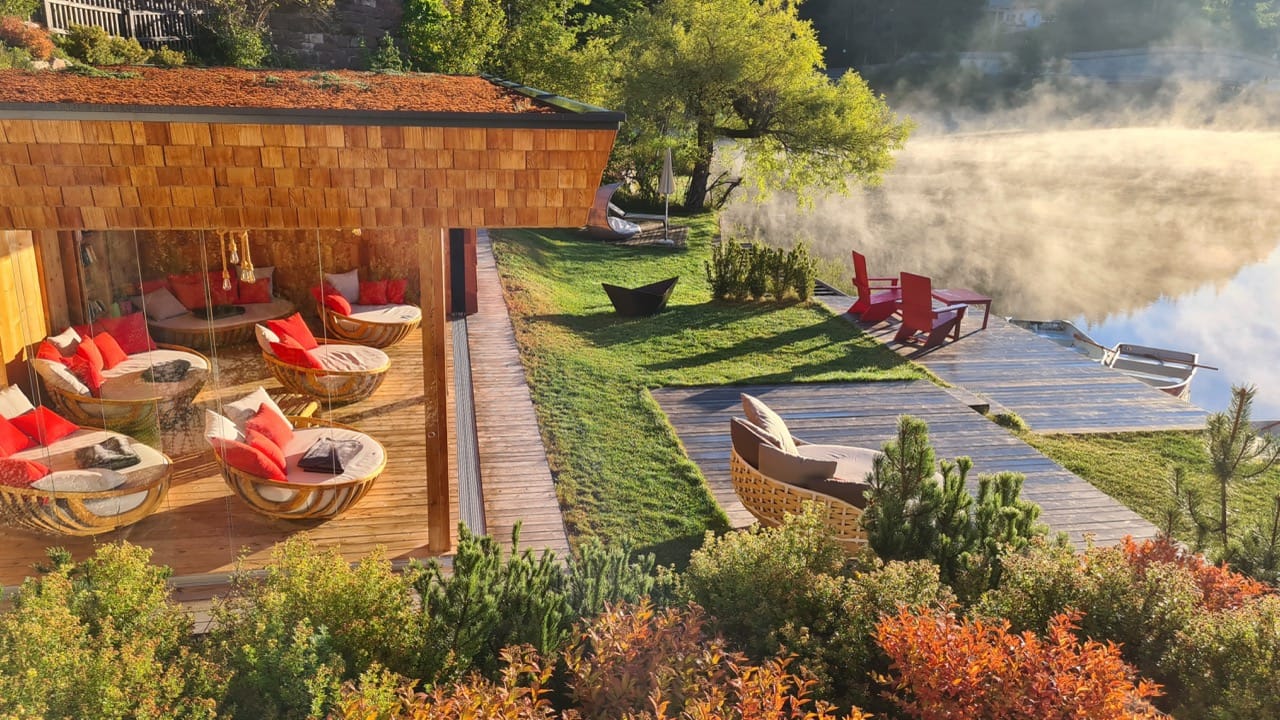
his presents an interesting opportunity from a hotel marketing perspective. A property does not necessarily need to invest in additional facilities to attract visitors outside its main season. It may already have features that become particularly appealing to a different audience at another time of year. The challenge is to communicate those qualities effectively and reach travellers whose expectations match the experience on offer. At Weihrerhof, that means placing greater emphasis on tranquillity, nature and wellness rather than trying to extend the summer lake holiday artificially into November.
Klaus Pichler even considers the lake particularly beautiful during November, sometimes more so than in summer. When morning mist rises above the water and guests step outside after a sauna session, the atmosphere is quite different from the busy summer months. Rather than filling the quieter season with an extensive programme of additional activities, the hotel team is working to explain why this change of atmosphere is itself a reason to visit. Whether that message can attract enough guests remains a commercial challenge.Can Offering Less Lead to More Efficient Operations?
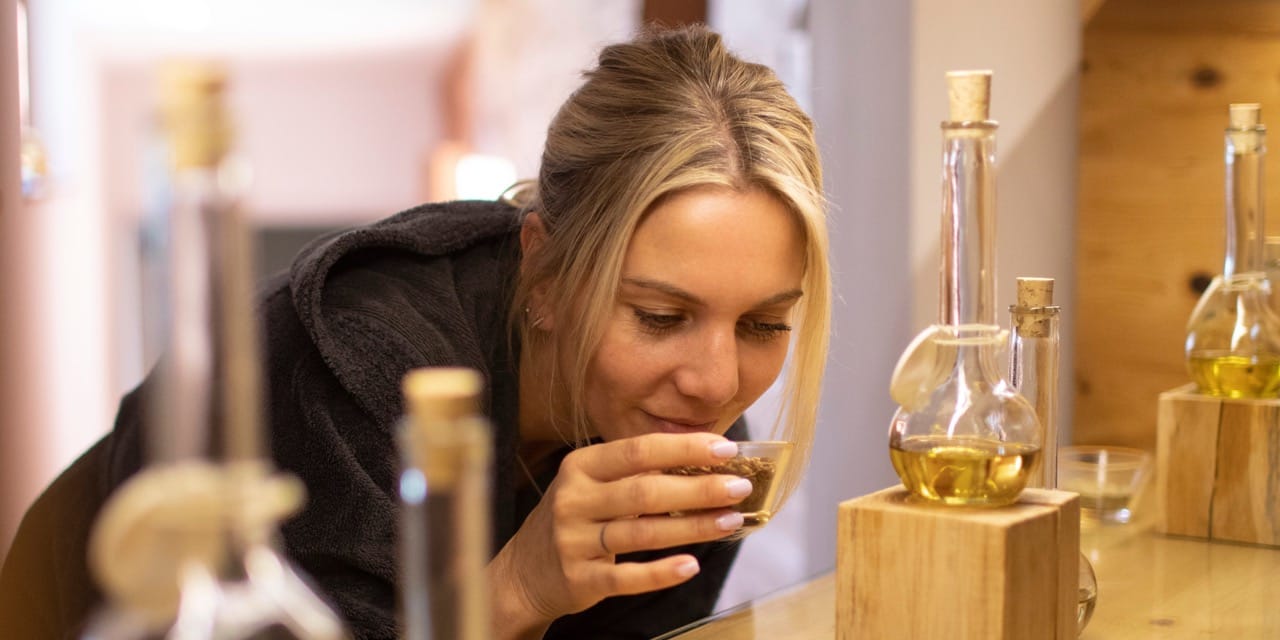
Alongside extending its season, Weihrerhof has been examining ways to simplify everyday operations and use resources more consciously. In a publication from March 2026, the hotel described changes to its housekeeping arrangements. Rooms now receive a full clean every two days, with a daily express service in between. Guests who prefer a thorough daily cleaning can still request one. The evening dining offer has also been deliberately reduced to simplify planning and limit food waste.⁵
These measures were not introduced specifically for November. They do, however, demonstrate the owners' willingness to question established routines. For smaller hotels, this approach can be particularly relevant because staffing, kitchen operations and housekeeping account for a substantial share of running costs. A more focused menu can simplify purchasing and stock management, while adjusted cleaning schedules can change requirements for labour, water, energy and cleaning products. Whether such measures actually deliver financial benefits must ultimately be assessed against their costs and the response from guests.
Weihrerhof therefore illustrates a question that extends well beyond one hotel: does a high-quality guest experience necessarily require an ever-expanding range of services? Or can it sometimes make more sense to offer less while concentrating on the quality of what guests genuinely value? During periods of weaker occupancy, that distinction can become particularly important, because not every additional service generates additional revenue.
Naturhotel Weihrerhof
Check current rates and availability directly on Booking.com.
Check Availability & Rates
A Family Business That Thinks Beyond Room Nights
Klaus and Manuela Pichler's understanding of hospitality is not limited to commercial considerations. Their commitment to families affected by childhood cancer offers another example. Working with the South Tyrolean Peter Pan association, they provide opportunities for affected families to spend time at Wolfsgrubener See. According to the hotel, five families were able to enjoy a stay at Weihrerhof through this initiative in November 2025.⁶ The couple hope to offer them a break from what can be an extremely demanding everyday life.
Klaus Pichler is keen to emphasise that the initiative has nothing to do with improving hotel occupancy. Instead, it reflects his personal understanding of what it means to be a host. In family-run properties, where the owners are often closely involved in daily guest relations, such convictions can play an important role. They are not evidence of a successful business strategy, but they show that entrepreneurial decisions are not always based exclusively on short-term financial returns.
What Other Hoteliers Can Learn from Weihrerhof
Weihrerhof cannot be regarded as a universal model for successful season extension. Its lakeside location, existing wellness facilities and relatively small size create particular conditions. A city hotel, conference property or holiday hotel without a spa will need to find different ways of attracting guests during quieter periods. Financial circumstances also vary considerably between businesses. What appears reasonable for an owner-operated hotel with 23 rooms may not make sense for a much larger property.
Nevertheless, the example offers several lessons worth considering. The first is whether the low season should be understood simply as a period of reduced demand, or whether potential guests' expectations also change during that time. Hotels can then examine which existing services and experiences meet those needs and adapt their communication accordingly. Equally important is an honest assessment of the financial implications: additional bookings are only valuable if they contribute to a sustainable business performance. An extended season should therefore not be judged on occupancy alone.
For Klaus and Manuela Pichler, November remains a business experiment that they continue to develop with their team. They want to offer guests a quieter form of travel, encourage longer stays and position their hotel without relying too heavily on short-term discount campaigns. At the same time, they recognise that personal conviction cannot replace sound financial calculations. Pichler admits that there are moments when he wonders whether the additional effort is really worthwhile.
Perhaps that openness is the most interesting aspect of the story. Weihrerhof is not presenting a finished formula for success. Instead, it shows how a small hotel is attempting to adapt its season to changing guest expectations without abandoning its identity. Pichler sums up the central lesson of this ongoing process in a single observation:
"The low season doesn't necessarily need more activities. It needs a compelling reason for guests to come at that particular time."
For other hoteliers, this may be the most useful starting point: not trying to recreate the peak season, but discovering what makes their own property worth visiting precisely when most other guests have already left.
Für diesen Artikel wurden eigene redaktionelle Quellen, amtliche Tourismusstatistiken sowie veröffentlichte Informationen des Naturhotels Weihrerhof ausgewertet.
-
Naturhotel Weihrerhof (2026)
Herbsturlaub in Südtirol: Warum der Ritten am Wolfsgrubener See im Oktober und November leiser wird.
Pressemitteilung vom 6. Oktober 2026. Informationen zum Hotel, zur verlängerten Herbstsaison und zum Angebot „Seezeit im Spätherbst 4=3“. -
Landesinstitut für Statistik Südtirol –
ASTAT (2025)
Tourismus – Oktober 2025.
Veröffentlichung vom 20. November 2025. Ursprünglich veröffentlichter vorläufiger Monatswert: 2.713.951 Übernachtungen. -
Landesinstitut für Statistik Südtirol –
ASTAT (2025)
Tourismus – November 2025.
Veröffentlichung vom 19. Dezember 2025. Ursprünglich veröffentlichte vorläufige Monatswerte: 799.515 Übernachtungen und ein Wachstum von 5,1 Prozent gegenüber November 2024. Spätere Revisionen der Tourismusdaten sind möglich. -
Tourismusgenossenschaft Ritten
Südtirol Guest Pass RittenCard – Informationen.
Offizielle Informationen zur Nutzung öffentlicher Verkehrsmittel und zu den Leistungen der Gästekarte. -
Naturhotel Weihrerhof (2026)
Wenn weniger wirklich mehr ist – Nachhaltigkeit im Weihrerhof.
Hotelblog, März 2026. Angaben zu Zimmerreinigung, reduziertem Abendmenü, Ressourcennutzung und betrieblicher Organisation. -
Naturhotel Weihrerhof (2026)
Was sich verändert – und was bleibt.
Hotelblog vom 24. Januar 2026. Informationen zum sozialen Engagement des Hotels für Familien mit krebskranken Kindern über die Kinderkrebshilfe Peter Pan.