


Key points
- Gurgl in the Ötztal is now one of the best-known winter sports resorts in Tyrol, with many family-run four- and five-star hotels.
- The premium positioning did not come from a single decision but developed over decades – driven by family businesses and the lift companies.
- Higher average rates are offset by much higher costs for staff, energy, food and construction.
- Hotelier Maximilian Steiner is not aiming for ever more guests, but for the right guests and value that stays in the region.
A small mountain village at the end of the Ötztal valley has become one of Tyrol’s best-known upmarket winter sports destinations. Behind this are, above all, family businesses that have invested in their hotels over decades. Maximilian Steiner, hotelier and chairman of the Gurgl local tourism committee, describes how this came about and why the future does not necessarily lie in ever more guests.
When the Ötztal’s first ski lift began operating in Gurgl in March 1948, there was little sign of an international premium destination. The lift, around 300 metres long, had been built on the initiative of local families. It laid an important foundation for a development that would fundamentally change the remote mountain village over the following decades.¹
Today, Gurgl is one of the best-known winter sports resorts in Tyrol. A ski area with 112 kilometres of pistes stretches from around 1,800 to over 3,000 metres, while down in the valley numerous family-run four- and five-star hotels compete for international guests.²
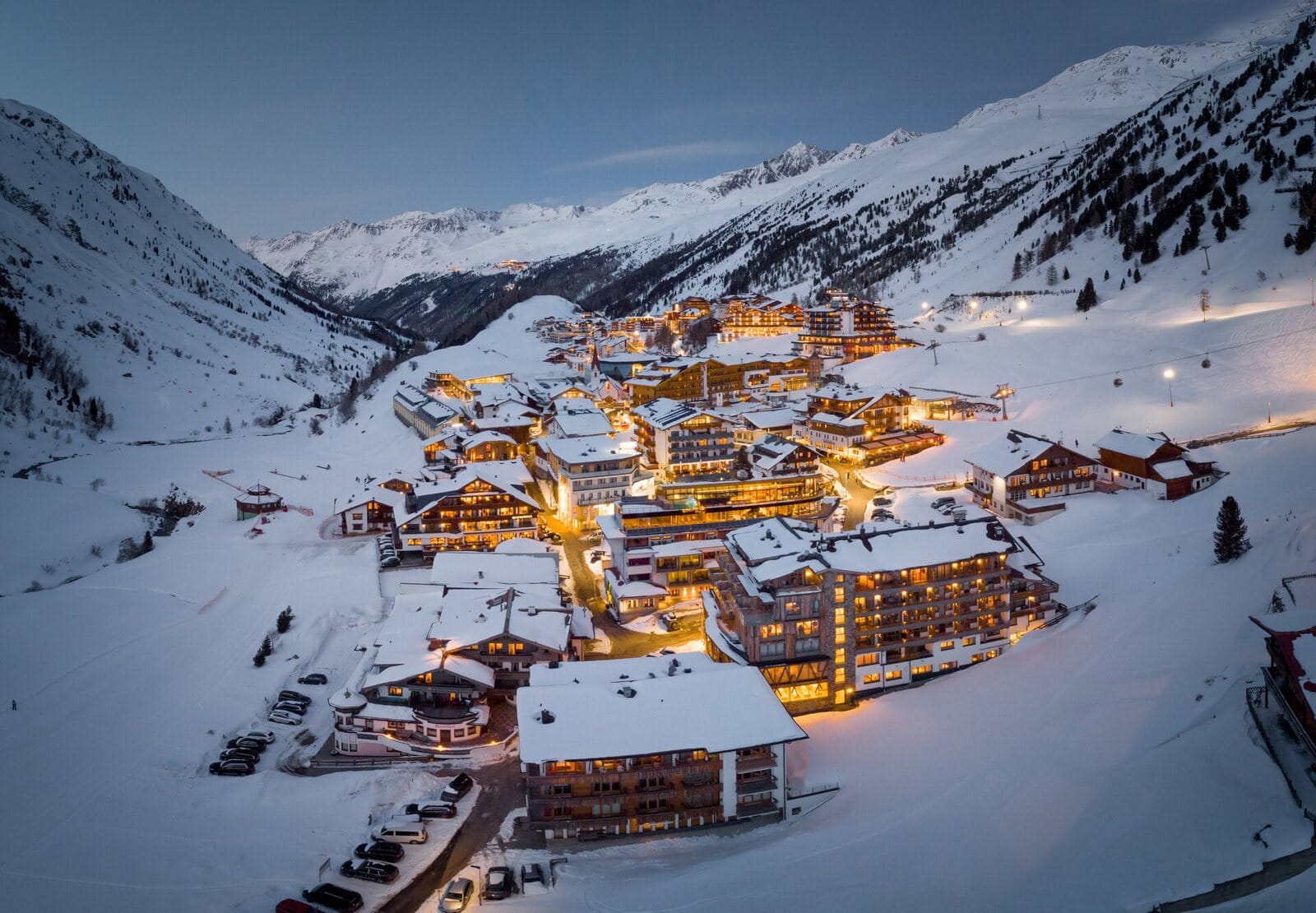
One person who knows the village’s development at first hand is Maximilian Steiner. He chairs the Gurgl local committee of Ötztal Tourismus and is also junior director and head sommelier at the Gourmet & Wine Hotel Austria in Obergurgl. In his view, today’s success owes less to a grand marketing strategy than to the decisions of many individual host families.
“In my view, Gurgl’s development into a premium destination was not a single strategic decision but a process spanning several decades.”
Family businesses as the driving force
The history of Gurgl shows how much entrepreneurial initiative lies behind the village as it is today. In 1961, the first two hotels opened in Hochgurgl: the Top Hotel Hochgurgl and the Angerer Alm. Just three years later, the Angerer Alm already had the Ötztal’s first indoor swimming pool.³
Simple winter sports lodgings gradually became comfortable hotels with ambitious cuisine, wellness areas and their own areas of focus. Many of these hotels remained in family hands for generations. With every modernisation, not only the businesses grew, but also their guests’ expectations.
Steiner sees the hotels, together with the lift companies, as the main drivers of this development. The tourism board’s main task, he says, is to make the offerings of the individual businesses visible under a shared destination brand.
The hotels certainly compete with one another. After all, every hotel wants to sell its rooms and build long-term loyalty among its guests. At the same time, everyone benefits when the village as a whole offers a convincing package. That is why close cooperation is needed on events, infrastructure and marketing, even between direct competitors.
Not all luxury has to look the same
Gurgl’s different hospitality concepts show that a shared premium positioning does not automatically lead to interchangeable hotels. While some hotels focus on wellness or families, others concentrate more on ambitious cuisine and personal attention.
“After all, premium does not mean that every hotel has to look the same or offer the same things,” says Steiner.
His own family has deliberately specialised in food and wine culture at the Gourmet & Wine Hotel Austria. The family business dates back to 1969. Steiner himself was named “Austria’s Best Sommelier” in 2023 and, as head sommelier, is now responsible for the hotel’s wine selection.⁴ ⁵
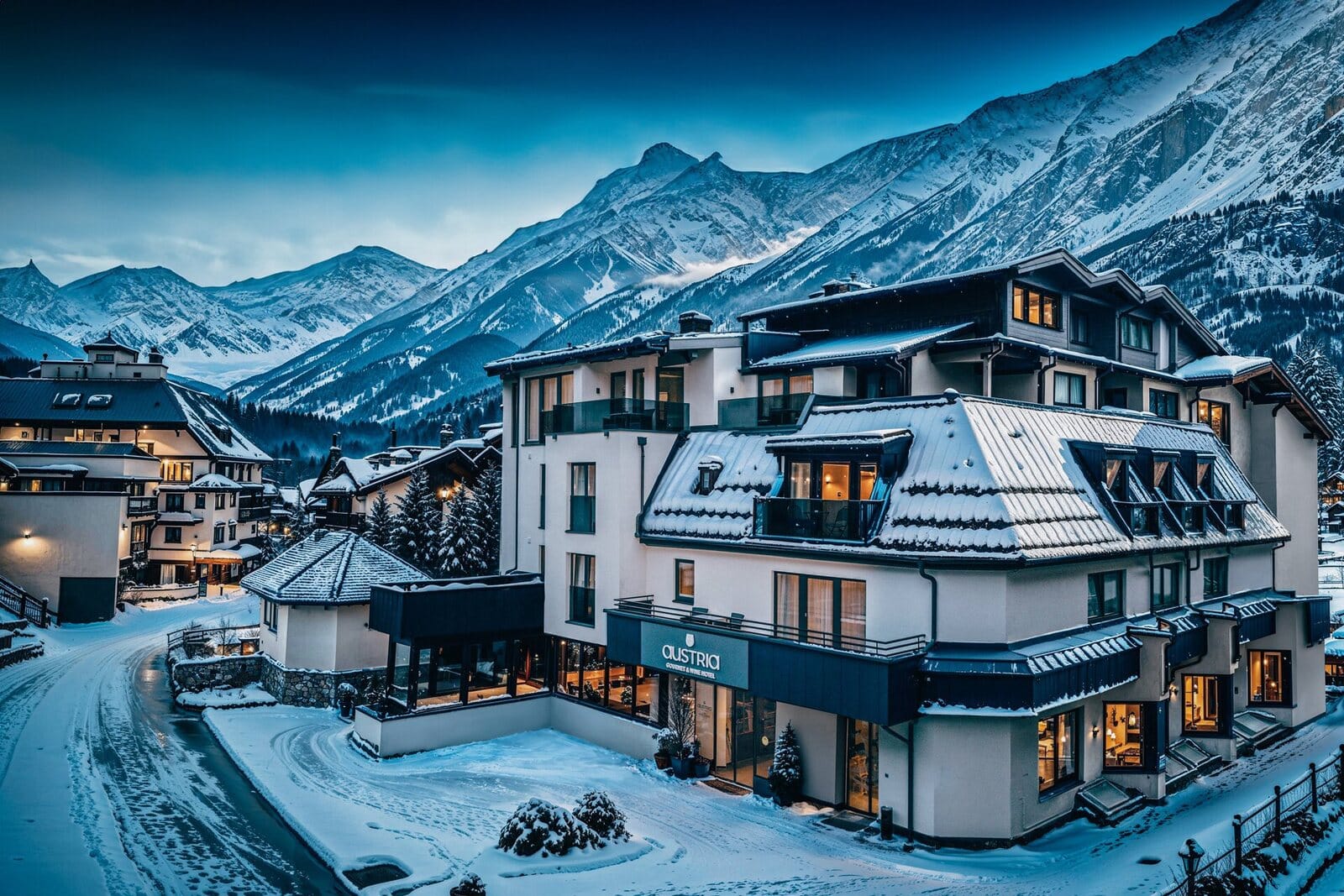
For him, personal hospitality is just as much part of the hotel concept as the culinary offering. A guest who is open to a wine recommendation and feels well advised experiences quality in a different way from someone who comes mainly for a generous spa area.
Steiner sees precisely these differences as one of the destination’s strengths. The hotels do not have to offer the same things, as long as guests can rely on a shared standard of quality.
The business side of success
As Gurgl has developed into a premium location, guests’ expectations have changed too. A nice room close to the slopes is no longer enough. High-quality food, wellness facilities, good service and special experiences play an ever greater role in booking decisions.
At the same time, Steiner observes that guests are booking at shorter notice and that international markets are becoming more important. The most sought-after rooms and suites, however, are still reserved well in advance for the high season.
For the hotels, the positioning generally allows higher average room rates. That does not automatically mean higher profits, though. Staff, energy, food and construction work have become considerably more expensive. On top of that come ongoing investments, because anyone operating in the upmarket segment has to keep delivering on their promise of quality.
Steiner is therefore not keen on measuring quality solely by the size of the next refurbishment.
“Personal service, good cooking and genuine hospitality cannot simply be replaced by luxury in bricks and mortar.”
In his view, the staffing question is becoming particularly important. Finding qualified staff, keeping them in the long term and creating attractive working conditions are among the biggest challenges for the businesses. Even the finest hotel cannot keep its promises if it lacks the people who shape its guests’ stay.
Why Gurgl does not have to keep growing
After decades of development, Gurgl faces a new task. The existing quality is to be maintained and the tourism offer developed beyond classic skiing. Food, wellness and international visibility play a role here, as do mobility, sustainability and the future of the workforce.
Steiner also wants to preserve the original character of the small mountain village. For him, the largest possible number of guests is therefore not what matters.
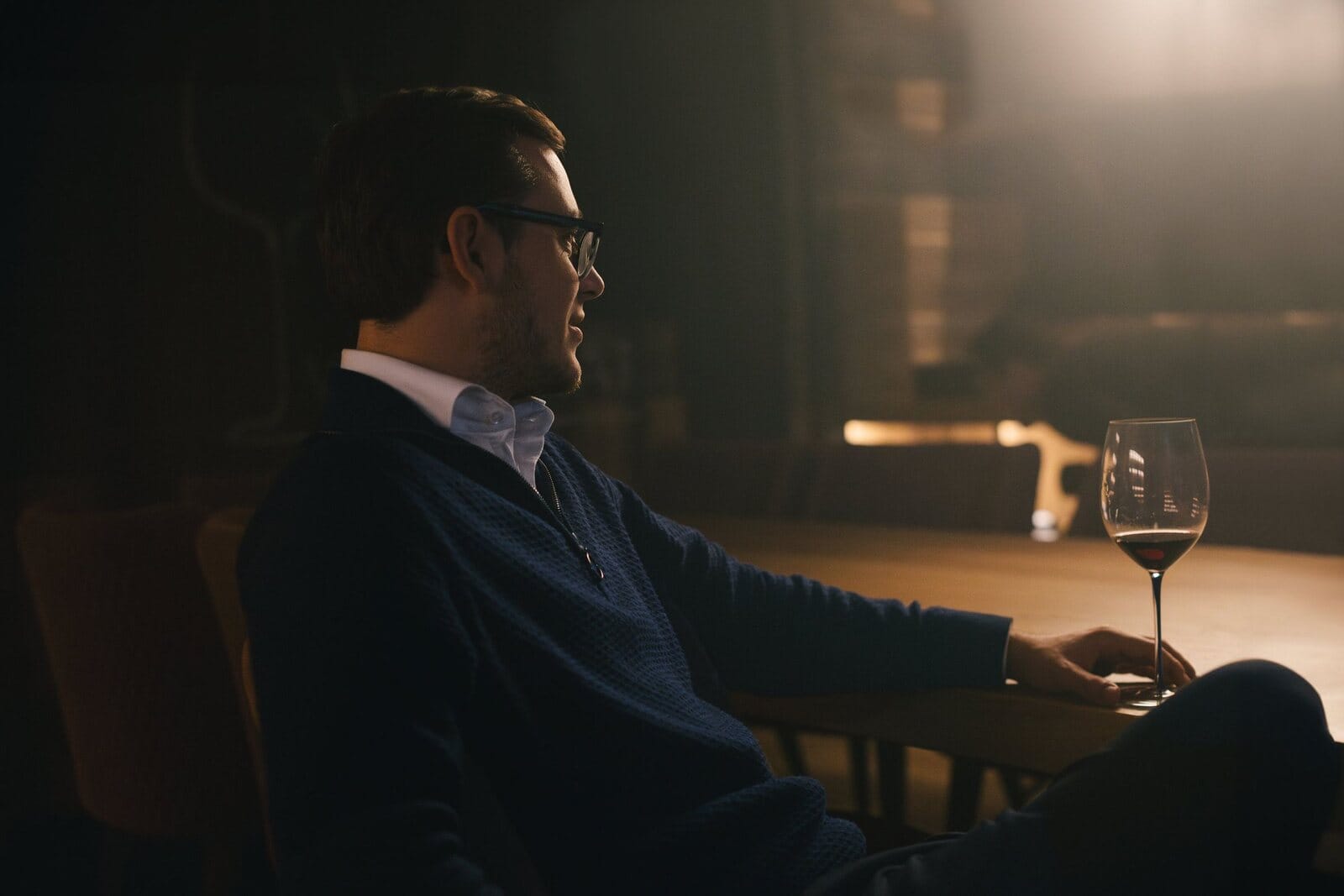
“Personally, I don’t believe our goal should be ever more guests. It is much more important to attract the right guests in the long term, to keep the added value in the region and to preserve the qualities that made Gurgl a special destination in the first place.”
This may be the most important lesson other tourism regions can take from Gurgl. A shared promise of quality does not require identical hotel concepts, nor does it come from a particularly elaborate advertising campaign. It develops over years, when many businesses build on their own strengths while keeping the destination as a whole in view.
In Gurgl, this path began with the commitment of a few local families. Almost eight decades after the first ski lift, it is up to their successors to continue the success story – without losing sight of what originally brought their guests to the mountain village.
Gourmet & Wine Hotel Austria
Check current rates and availability directly with the property.
Visit hotel websiteThis article is based on an original written interview, information from the Gurgl destination, the websites of two hotels and a media report.
-
Ötztal Tourismus / gurgl.com (2026)
Bergbahnen Obergurgl-Hochgurgl
Destination website, accessed 23 October 2026. History of the lift company: the Ötztal’s first T-bar lift in Obergurgl in 1948, lift company founded by local families, beginnings of Hochgurgl in 1961. Original publication in German. -
Ötztal Tourismus / gurgl.com (2026)
Skigebietsplan, Lifte & Pisten
Destination website, accessed 23 October 2026. 112 kilometres of pistes in the Obergurgl-Hochgurgl ski area, highest point. Original publication in German. -
Hotel Angerer Alm (2026)
Geschichte
Chronicle on the official hotel website, accessed 23 October 2026. Opening in 1961, the Ötztal’s first indoor pool in 1964. Original publication in German. -
Gourmet & Wine Hotel Austria (2026)
Gastgeber
Official hotel website, accessed 23 October 2026. The Steiner family, hosts since 1969; Maximilian Steiner as head sommelier. Original publication in German. -
Leadersnet (2023)
Maximilian Steiner ist „Bester Sommelier Österreichs 2023“
Report dated 1 November 2023. Award as Austria’s best sommelier. Original publication in German.


