


Key points
- Sascha Dalig spent eight years as a cockpit instructor and now heads the commercial division of Signo Hospitality.
- Checklists and contingency planning give hotel teams confidence too, for instance when guests have to be accommodated elsewhere.
- As an operator, Signo Hospitality stands between guests, brands and owners and carries the financial responsibility.
- In revenue management he relies on data rather than feeling, and with new technology the target picture comes first.
For eight years, Sascha Dalig worked as a cockpit instructor for the Boeing 737 and Airbus A320. Today he is Director Commercial at Signo Hospitality. His story shows what the two worlds have in common.
Sometimes it is the things we do not understand that frighten us most. An unfamiliar noise during a flight, an unusual movement of the aircraft, or simply the idea of handing over all control to other people several thousand metres up. For some travellers the holiday begins the moment they board the plane. For others, that very moment is an ordeal. The former cockpit instructor knows these fears and has seen how much knowledge and an understanding of technical processes can change the way a person perceives them.
The seminars for nervous flyers in particular have stayed with him. In the flight simulator he explained to participants what happens during a flight, which noises are normal and how procedures in the cockpit work. With this knowledge, he says, they succeeded in “sending people off on holiday”.
He was never a pilot himself, although he would have liked to become one. He chose a career in hotels instead, trained as a hotel specialist and later still found a way to pursue his passion for aviation. As an instructor he worked on what is known as a fixed-base simulator, a stationary replica of an aircraft cockpit with no motion system.
“In the simulator, I am reminded again and again how much information a person processes in parallel,” he says. That fits the hotel industry well, he adds. There, too, teams recognise their regular guests, and service staff keep entire orders in their heads, using all this information to give guests a wonderful stay.
This is the world he has returned to. Since March 2025 he has been responsible for sales, revenue management, marketing and communications at Signo Hospitality.¹ Aviation still shapes how he thinks about leadership and processes.
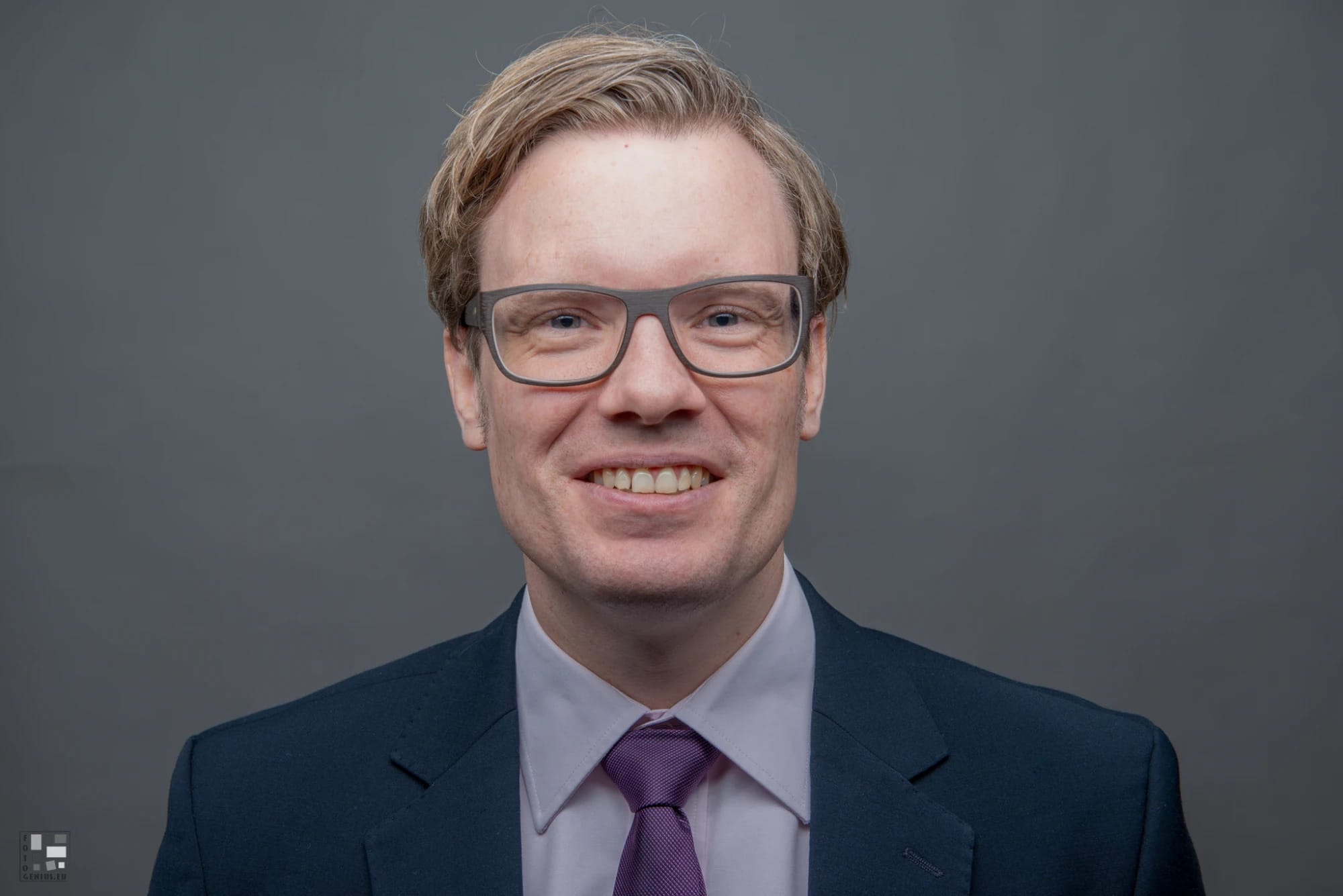
Checklists and a Plan B belong in hotels too
Anyone who wants to operate an airliner safely does not rely on experience and improvisation alone. Checklists are part of the daily routine, even for procedures that have long been familiar. For Sascha Dalig they remain an important tool in hotels as well. They map out processes and support teams in their work. The confidence this creates, he says, allows people to grow in their roles.
He considers the question of what happens when the original plan fails to be at least as important. In aviation, that means alternate airports, for example. In hotel management, the situations are different: an appointment has to be moved, or a guest has to be accommodated elsewhere. In his view, such alternatives can almost always be planned.
“Planning, just like checklists, gives us confidence and lets us act professionally in our daily work.”
His keynote “Top Gun Leadership”, which covers airline procedures, Plan B and checklists, builds on this same knowledge.²
Leaders have to listen first
During his time in the simulator he also ran seminars on stress management. What barely affects one person can be a serious strain for another. The same applies to leading a team. Hotel teams often have to cope with heavy workloads in their daily business without guests noticing. That is exactly why managers do not always see when it is becoming too much.
“Stress is very individual and can only be identified through good, honest communication,” Sascha Dalig says in a written interview with eingecheckt®. A team can take a lot of pressure, he says, and often will not admit that it is too much. Managers who want to understand where stress and pressure lie must above all listen, rather than conjuring up a solution straight away. The point is to work strategically so that the team can grow and stress falls in the long term. That can mean processes, technology or a larger team.
He is clear about what this means for leadership. Sascha Dalig considers empathy essential. A leader has to understand what moves the people in a team and know where emotions can take over. Those who recognise this, he says, can lead very well.
“If I’m not interested in people, I won’t become a good leader.”
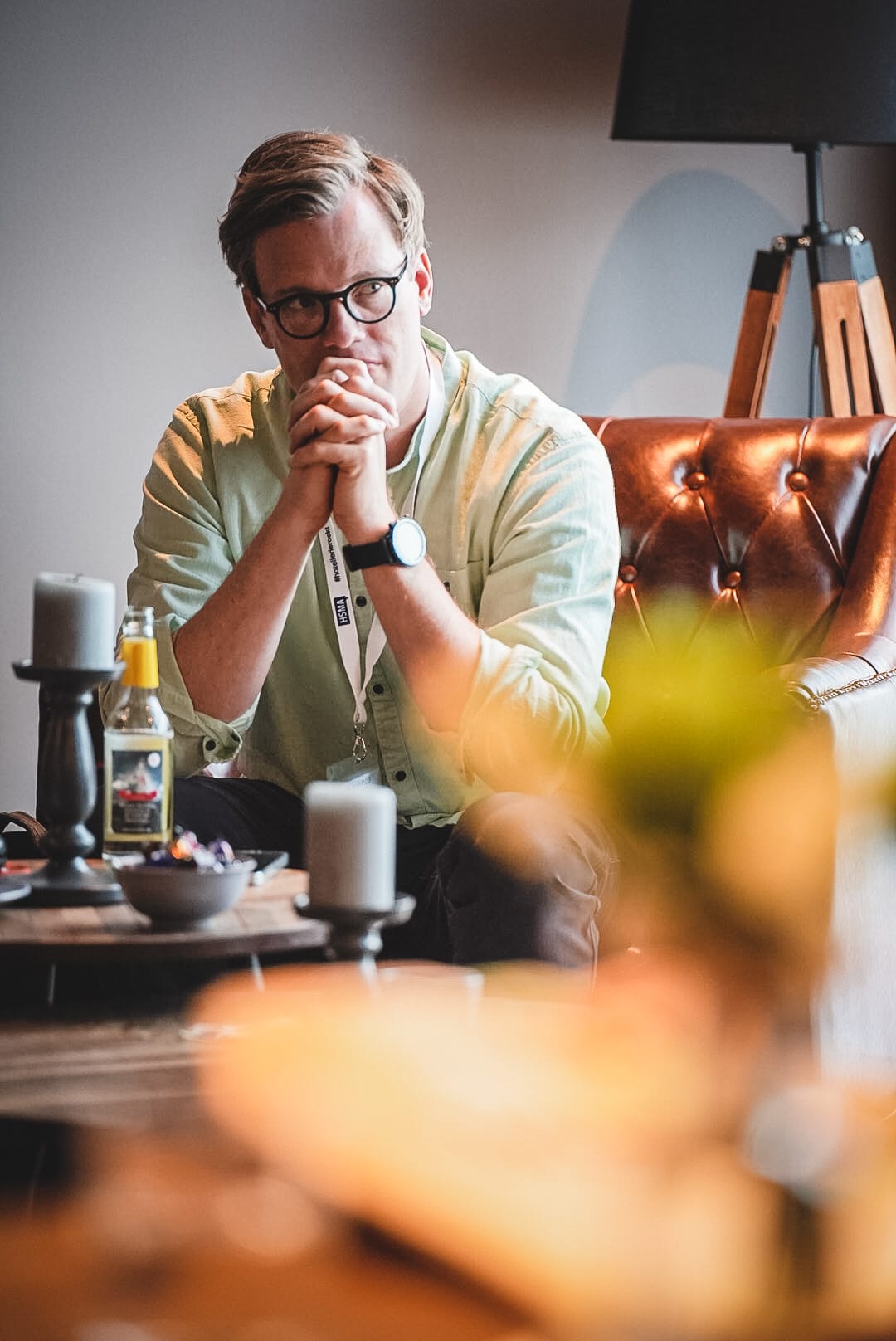
Back on the operator’s side
Before joining Signo Hospitality, Sascha Dalig spent around a year on the other side. At HotelPartner Revenue Management, a service provider that manages pricing and distribution for hotels, he was Managing Director and Chief Business Development Officer, responsible among other things for developing the company and for sales.¹ He valued how quickly results become visible in revenue management. His greatest successes came in advising hotels. In doing so, he realised that he understands their needs well from the inside, and he wanted to make a difference directly again.
At Signo he can do that. The company operates its hotels itself. It develops and runs business, lifestyle, design and limited-service properties and works as a franchisee with brands such as Hilton, Marriott, Wyndham and Accor. In November 2026 that adds up to ten hotels at seven locations in Germany, with around 200 employees.
He is responsible for all the hotels in the group. His division makes sure they are sold, marketed and offered at the right price. At HotelPartner he advised hotels from the outside. Today he is on the side that carries the financial responsibility. He sees many things much as he did through his “HotelPartner glasses”. What has been added is the complicated technology landscape that comes with working with several franchise partners.
Between guests’ expectations and owners’ invoices
A hotel operator today has to reconcile several interests at once. Guests expect a pleasant stay, brands expect the promised level of service, and property owners count on their monthly rent. On top of that come the teams’ salaries. “That puts us in a sandwich position, and as the operator we carry the financial responsibility for our business,” is how Sascha Dalig describes the situation.
On the revenue side, he sees restraint in bookings, particularly in city destinations. The booking volume around major trade fairs has also changed significantly, he says, and this business needs to be replaced. That makes the decision about which additional hotels fit the portfolio all the more important.
The company is not pursuing growth at any price. As early as August 2025 he stressed that its expansion follows no “pure growth dogma”.³ Each project is examined to see whether it suits Signo and whether the brand can be positioned, and a market assessment is drawn up. Only when the parameters are right do in-depth talks begin. The company turns down projects in which it can see no long-term financial success from the outset.
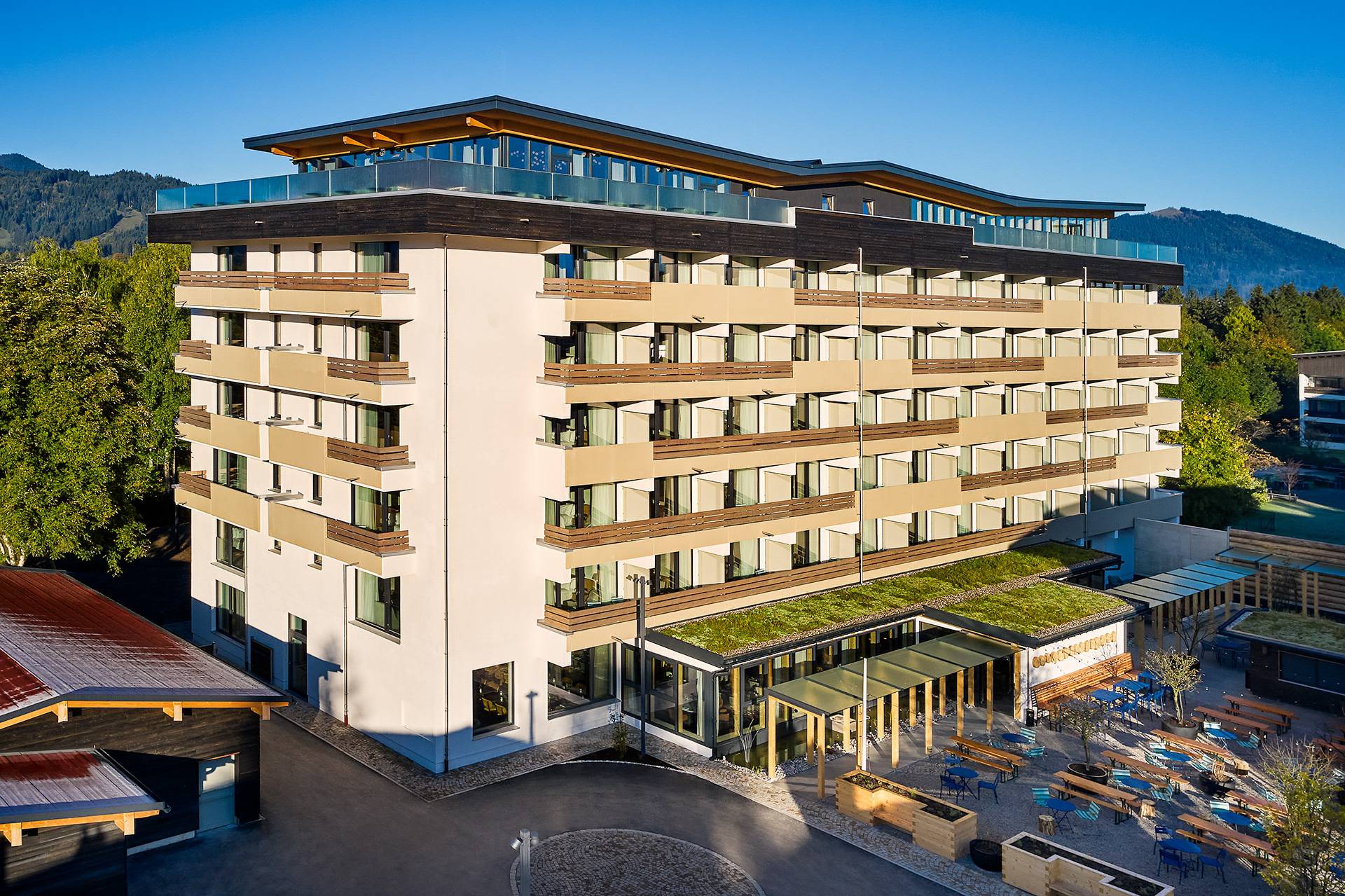
A new brand name changes more than the sign at the entrance
Webers Hotel im Ruhrturm in Essen shows how demanding it can be to work with international hotel brands. Signo Hospitality took over the management of the hotel in December 2025, and the rebranding to Accor followed in May 2026.⁴ What guests may first notice as a new hotel name can trigger considerable organisational work behind the scenes.
At Webers Hotel the entire technology landscape changed, the booking path is new and Accor’s ALL loyalty programme was introduced. A full renovation often follows in order to meet the brand standard. Because such a change alters so much, the brand has to fit. It has to be able to bring guests and customers to the hotel at that particular location. The brands make the promise of a service level. It is the operator who has to keep it.
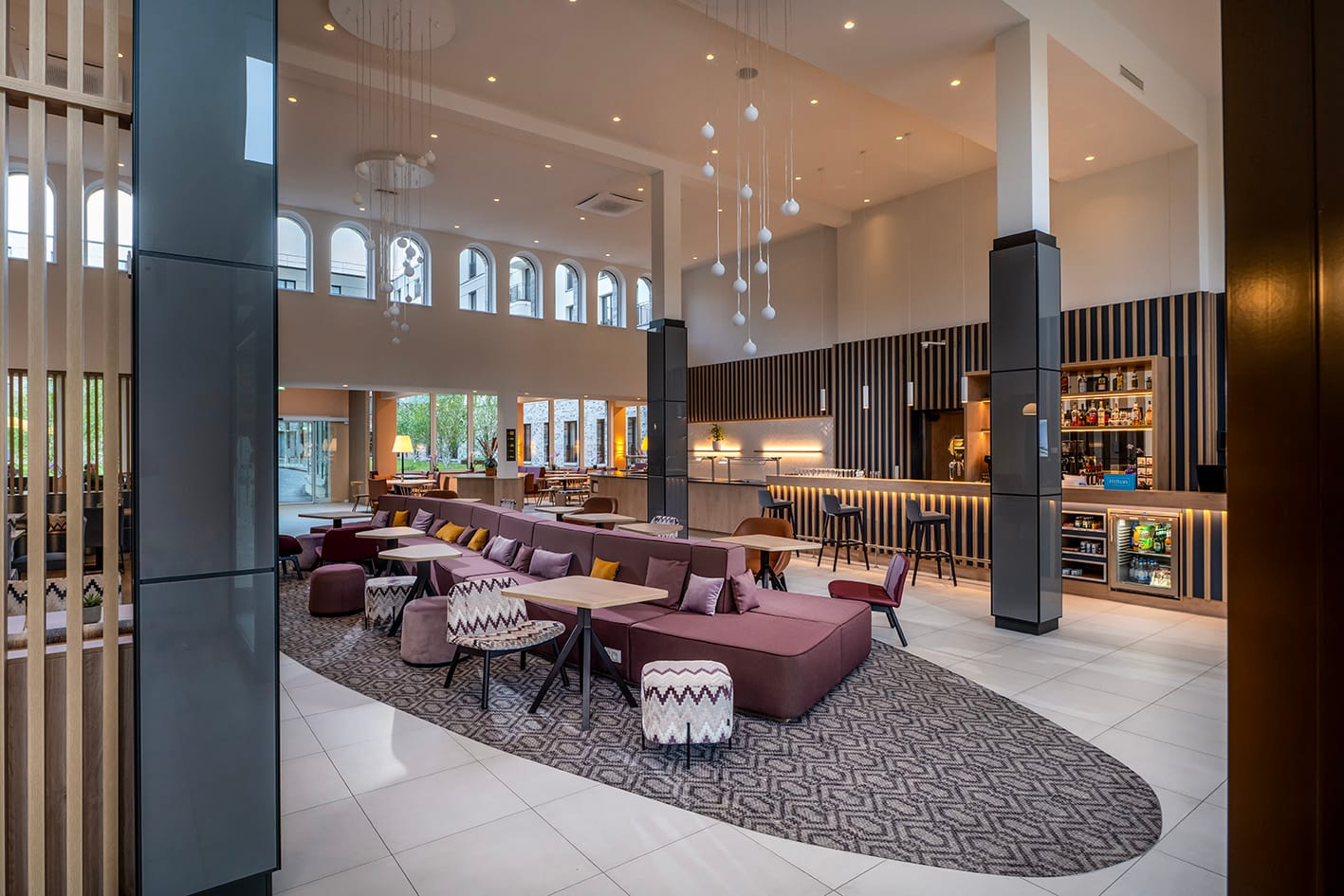
In revenue management, data counts, not gut feeling
A change of brand is not the only time technology matters. There is a great deal of discussion in the hotel industry about automation and artificial intelligence. Here, too, Sascha Dalig draws the comparison with the cockpit: “An autopilot is only as good as the person who programmed it. The same goes for technology in hotels.” Using different systems indiscriminately will not lead to a good result. First comes the question of the target picture, then the search for suitable technology, which at Signo must also match the brands’ ideas.
He has no fear of automation. In his keynote “Terminator or Innovator” he clears away negative gut feelings and ends with a positive call to look ahead.²
His position is particularly clear in his own field, revenue management, which means steering prices and revenue. At Signo, data-based pricing strategies and revenue management systems are meant to ensure good occupancy and suitable room rates.⁵ He does not rely on gut feeling there:
“In revenue management, I see no room for feeling. We have an enormous amount of data and only have to use it, and then we will be successful.”
Even there, though, empathy has its place: anyone presenting a strategy has to tailor it to the decision-makers if it is to have an impact. What matters most to him is the quality of the data. His keynote “Bionic Revenue Management”, which he has given at the annual conference of Ringhotels in Kiel among other places, is about the connection between people and machines and about strategic management based on good data. He also warns against poor decisions based on poor data.²
The next generation wants to know why
Alongside the figures, he has long been concerned with the industry’s next generation. He did his own training as a hotel specialist from 1996 to 1999 at the Best Western Autobahnhotel.⁶ Since 2005, Sascha Dalig has been an examiner at the Hanover Chamber of Industry and Commerce, where he chairs the examination board for the hotel sector.⁶ Over more than two decades he has seen young people completing their training. There are still very gifted and less gifted candidates, he says. On the whole he continues to see a lot of interest and a stronger will to question things.
To him, this is not a difficulty but a task for trainers. Those who can explain the “why” win over their apprentices. “We have a treasure of young talent that we can unearth as trainers. The responsibility lies with us.”
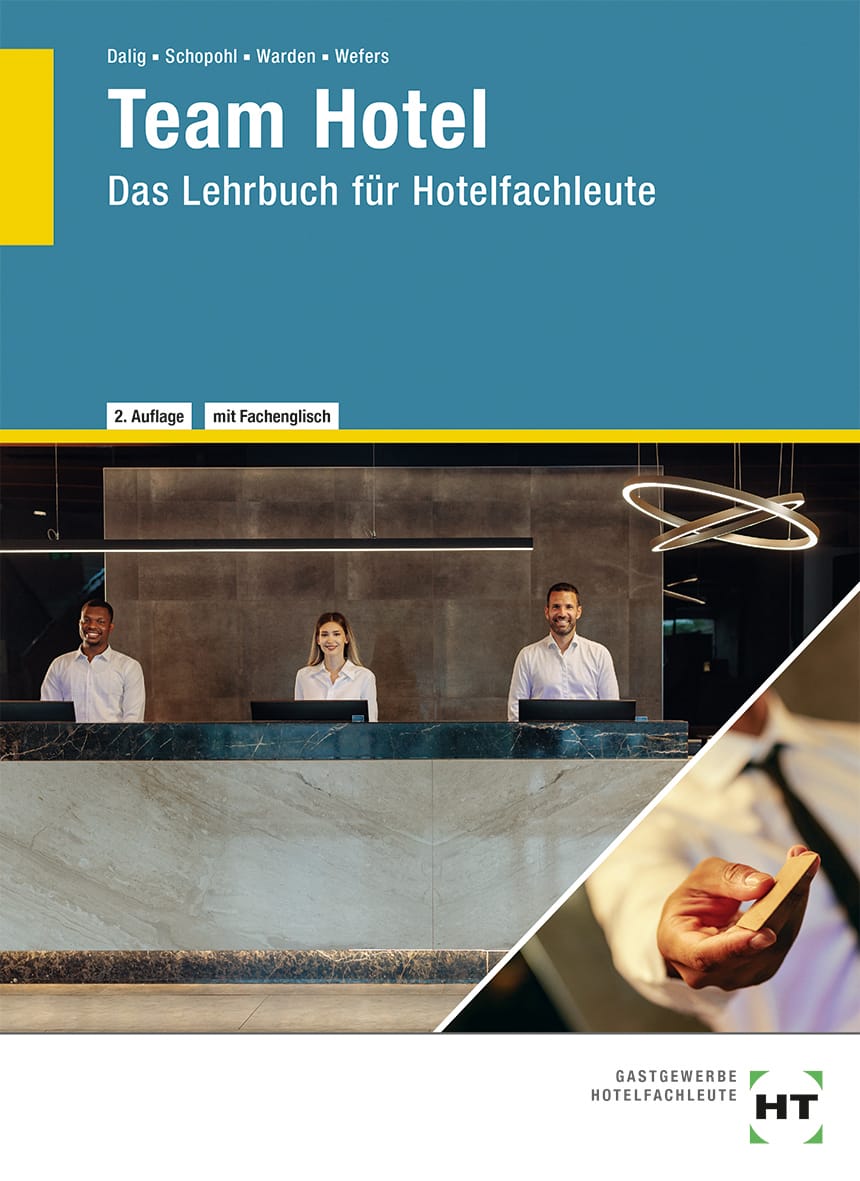
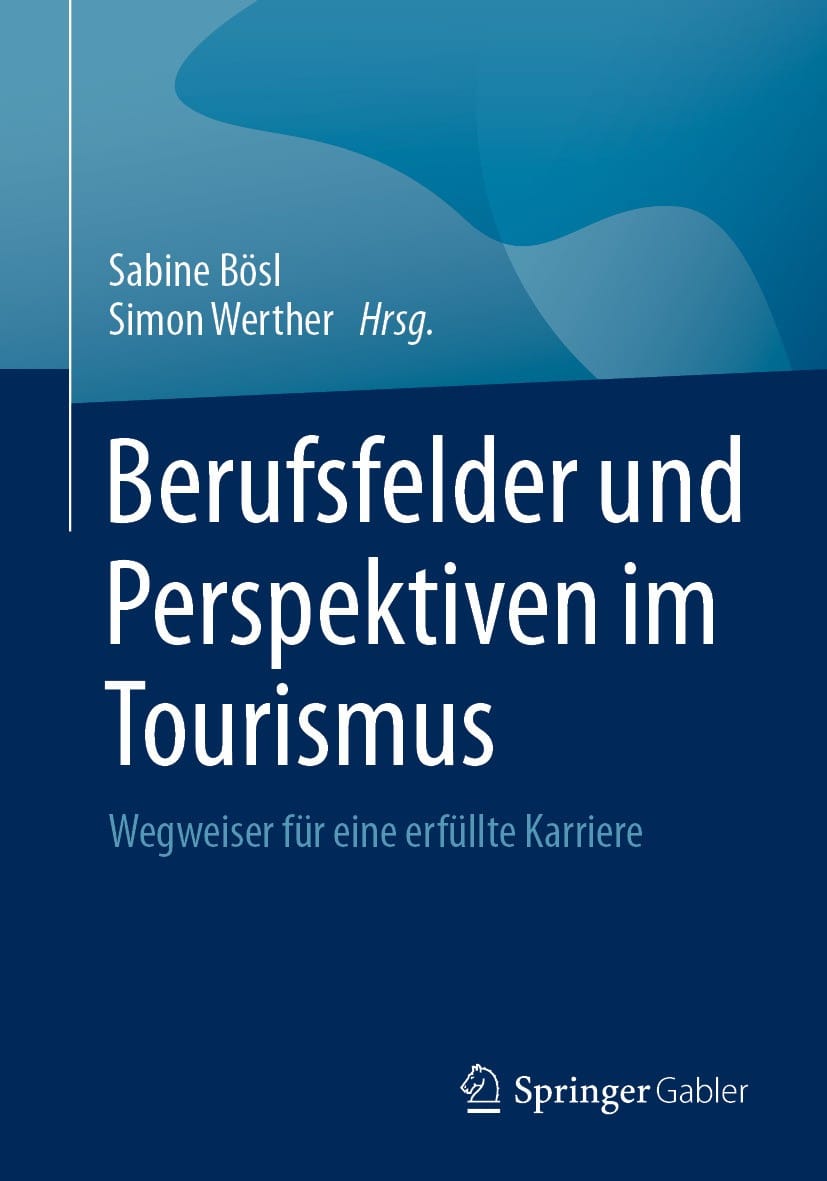
He has also helped to shape what training looks like. For eight years he contributed to the reorganisation of vocational training in hotels and restaurants.⁶ He is a co-author of the textbook “Team Hotel” for trainee hotel specialists and wrote the chapter on working in chain hotels for a specialist book published by Springer Gabler.⁷
What remains from the cockpit
Hotel specialist, cockpit instructor, Regional Director for 160 hotels at Wyndham, chamber examiner, author: Sascha Dalig’s career is unusually varied.¹
One idea runs through every stage. In the simulator he took away people’s fear by explaining procedures and noises to them. In hotels, checklists and planning give teams confidence. He wants to explain the “why” to the next generation. Those who understand what is happening become more confident, in the cockpit as at the reception desk.
To young people thinking about entering the hotel industry, he says:
“Set out and experience a unique industry in which people work with people for people.”
Books with contributions by Sascha Dalig
A textbook for hotel training and a guide to careers in tourism. Both books are in German.
This article draws on company information, trade publications and our own written interview.
-
Signo Hospitality (2025)
Signo Hospitality: Sascha Dalig ist neuer Director Commercial
Company announcement, March 2025. Move to Signo Hospitality and areas of responsibility. Original publication in German. -
Sascha Dalig (2026)
Keynotes
Website, accessed 6 November 2026. Content of the keynote “Top Gun Leadership”. Original publication in German. -
Gastronomie-Journal (2025)
Signo Hospitality: Wachstum in Menschen, Strukturen und in eine Unternehmenskultur
Report dated 6 August 2025. Statement on Signo Hospitality’s expansion. Original publication in German. -
Tageskarte (2026)
Signo Hospitality öffnet Webers Hotel im Ruhrturm Essen by Accor
Report dated 21 May 2026. Change of operator and move to Accor. Original publication in German. -
Signo Hospitality (2026)
Website des Unternehmens
Website, accessed 6 November 2026. Data-based pricing strategies and revenue management systems. Original publication in German. -
Hotelier.de (2023)
Tausend Sascha Dalig endlich im Fips-Podcast
Podcast episode 63, 25 May 2023. Career history, examination board and work on the reorganisation of vocational training. Original publication in German. -
Hotelier.de (2025)
Berufsfelder und Perspektiven im Tourismus
Article dated 24 February 2025. Specialist book published by Springer Gabler and the textbook “Team Hotel”. Original publication in German.


