

Key points
- Biohotel Castello in Königsleiten, Salzburger Land, has been organically certified since 2016; almost 90 per cent of its food purchasing is organic.
- Host Christian Eder made the switch after the birth of his first daughter and a nutrition seminar – starting with breakfast only.
- Organic food has not brought noticeably more guests, yet the extra cost barely shows in the hotel’s overall food expenditure.
- Solar power and pellet heating complete the picture; after an expansion, the hotel plans to open with its full programme in summer too.
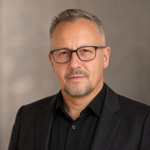
Christian Eder once spent an entire day every week driving from farm to farm, sourcing ingredients for his hotel kitchen. He has since abandoned those time-consuming journeys, but not the principles behind them. At Biohotel Castello in Königsleiten, Austria, he has been committed to organic food since 2016. He is remarkably open about the fact that it has brought him very few additional guests. For Eder, however, going organic was never primarily a business strategy.
When Sophia was born, everything began to change
The story begins with the birth of his first daughter. When Christian and Eva Eder became parents, they started paying much closer attention to what they ate. They wanted to give their child the best possible food. Before long, Christian found himself questioning why he should apply different standards to the meals served in his hotel.
The decisive inspiration came from a nutrition seminar entitled Food Is Medicine, held at the hotel and led by Jörg Krebber. Conversations with former university colleagues who had already converted their businesses to organic food strengthened his interest. The idea stayed with him, although he initially had serious doubts about whether it would be financially viable.
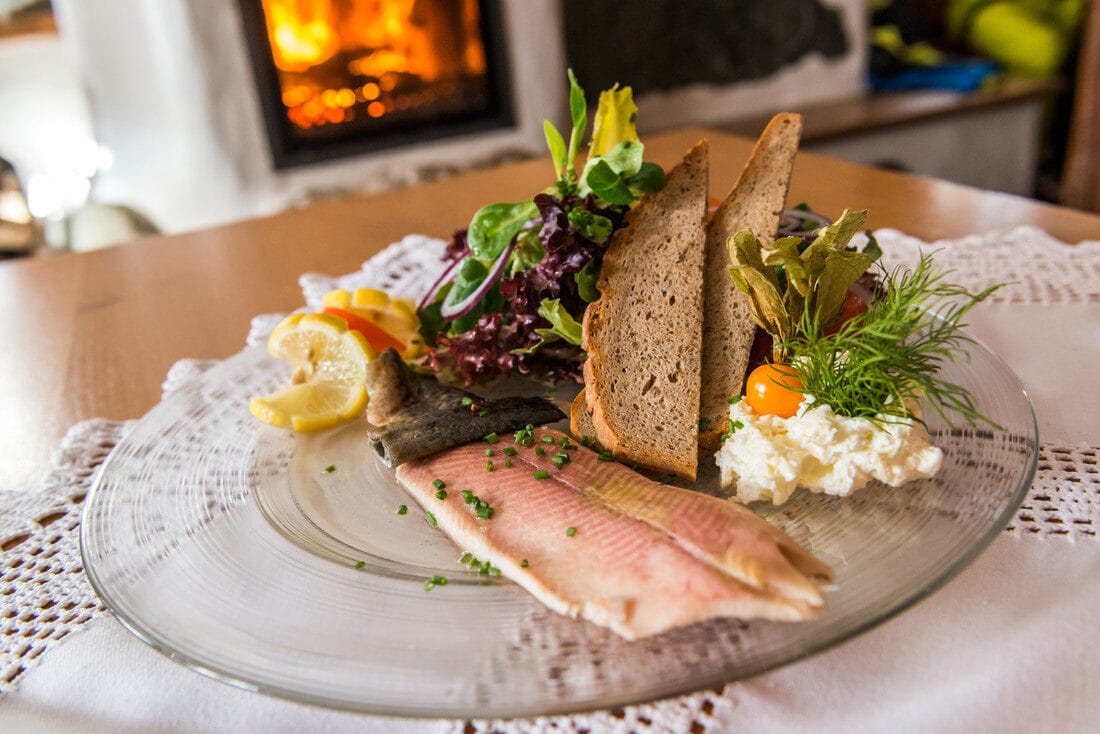
The Salzburger BioParadies initiative eventually offered him a manageable starting point. He could begin with breakfast rather than changing the entire kitchen overnight. That first step gradually developed into a much broader concept. Biohotel Castello became organically certified in 2016 and has since reached the Silver level, with organic products now accounting for almost 90 per cent of its food purchasing expenditure.
When good intentions meet everyday hotel operations
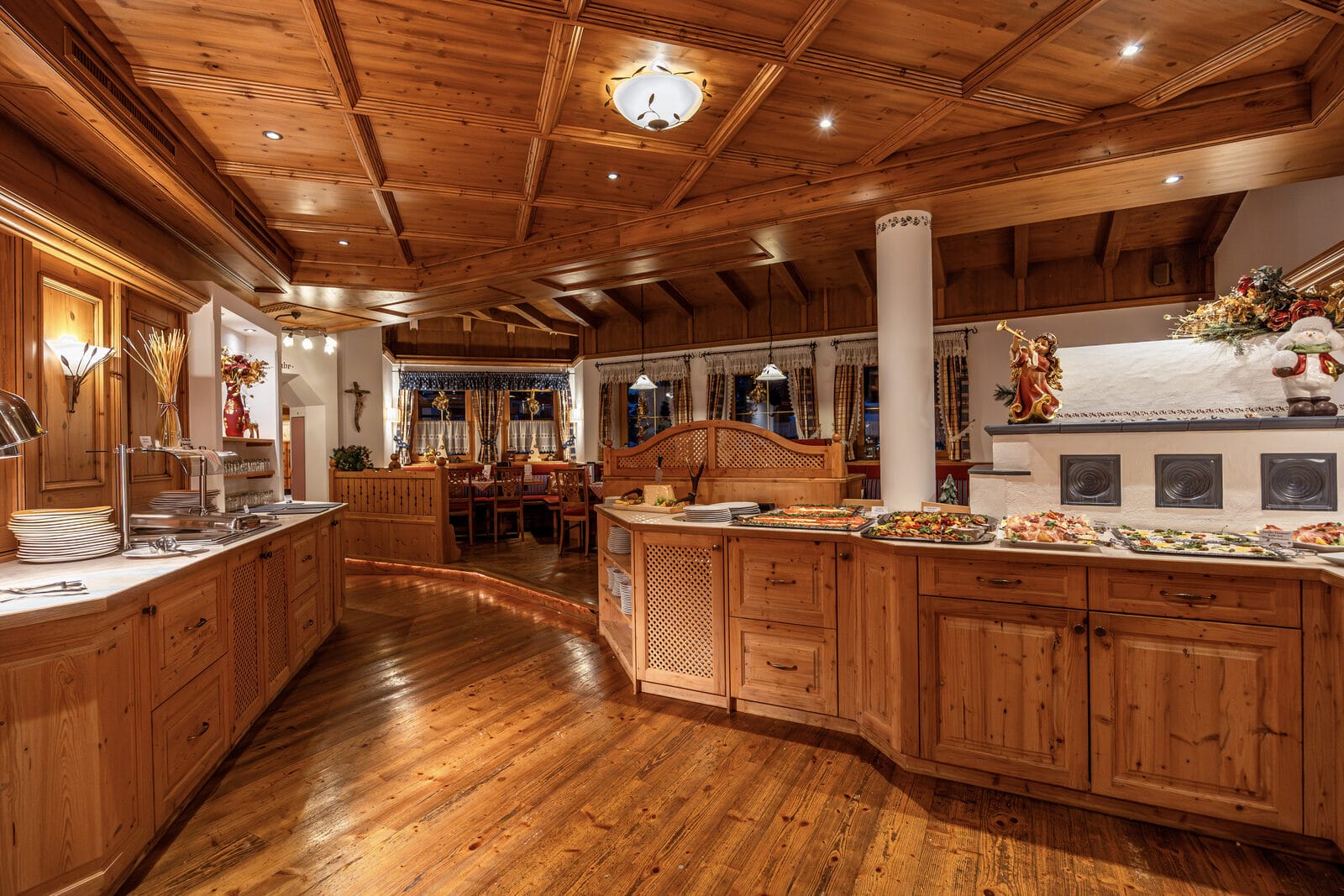
The transition initially required a considerable amount of effort. Eder wanted to source as many products as possible directly from local organic farmers, so he regularly got into his car and visited farms in person. What sounds like an attractive vision of regional food sourcing proved difficult to maintain alongside the demands of running a hotel.
“In the beginning, I spent one day every week driving from farm to farm, gathering the ingredients I needed,” he recalls.
The surrounding agricultural landscape was less helpful than he had hoped. Although a large proportion of farmland in the region was managed organically, much of it was grassland. A hotel kitchen needs a wider variety of ingredients than the immediate area can reliably provide.
Today, Eder works with larger suppliers, cooperatives, dairies and butchers. Availability, rather than price, remains his greatest challenge. Cooking with organic ingredients sometimes means changing menus at short notice. He has learnt to embrace that flexibility and now sees it as a source of variety in the kitchen.
He is surprisingly relaxed about the additional costs. Organic meat can be two or three times as expensive as conventional alternatives, he explains, but the difference has relatively little impact on his hotel’s overall food expenditure.
Even more surprising is his response when asked whether the organic concept has increased bookings.
“We haven’t seen significantly more guests. Very few people come to us solely because we’re organic.”
Anyone considering organic certification primarily as a way of increasing revenue may find Eder’s experience sobering. His own assessment is unequivocal: “For purely economic reasons, I absolutely wouldn’t recommend it. But if good quality and healthy agriculture matter to you, then yes, absolutely.”
Three generations, one family business
Eder’s willingness to follow his own ideas is also reflected in the hotel’s history. Before Castello became an organic hotel, he brought a rather different culinary vision to Königsleiten, inspired by his time on Fuerteventura and other Spanish islands. Mediterranean food, tapas, pizza and après-ski were central to the early concept. Guest rooms were added in 2012, followed by organic certification four years later.¹
Today, Christian and Eva Eder run the hotel with the support of their family. His mother helps look after the rooms, laundry and staff, while his father takes care of maintenance and accompanies guests on guided walks. Christian’s sister runs the Schirmbar Castello, the hotel’s bar. Eder himself can be found at reception, in the restaurant or leading guests into the mountains.¹
The day the old oil tank finally disappeared
Eder has also made changes to the hotel’s energy supply, driven partly by personal conviction. Since 2018, a 13 kWp photovoltaic system has generated electricity on site. Despite snow covering the panels for four to five months each year, he considers the investment financially successful. According to his current calculations, the original investment of approximately €18,000 should pay for itself in around ten years.
Replacing the old oil heating system, however, was a particularly memorable undertaking. Not because the boiler had stopped working, but because he disliked the smell of heating oil whenever a basement door was left open. During the pandemic, he took the opportunity to cut up and remove the old tank himself.
It was hardly an enjoyable task. Removing the remaining oil and sludge required considerable effort. The replacement pellet heating system also brought unexpected difficulties, particularly because it required much more maintenance than the previous installation. It has now been running reliably for several years. His advice to fellow hoteliers is to arrange a comprehensive maintenance contract for the first years of operation.
How a holiday in Tunisia changed his view of summer
At around 1,600 metres above sea level, winter still dominates Castello’s business. Approximately 70 per cent of its annual turnover comes from the colder months. During summer, the hotel has so far offered bed and breakfast rather than its full range of services. Eder plans to change that after a forthcoming expansion. A swimming pool, gym and additional family accommodation are intended to make the hotel more attractive beyond the ski season.
His growing confidence in summer tourism was reinforced, rather unexpectedly, by a beach holiday in Tunisia. He found the heat exhausting. During the day, he retreated to his air-conditioned room, while at night he missed being able to sleep with the window open, as he normally does at home.
After returning to Austria, the family spent another week exploring their own region as holidaymakers. Eder was struck by how much he enjoyed the relatively uncrowded surroundings, the personal hospitality and the cool nights. He now sees these qualities as an opportunity for Königsleiten, even though the short summer season, limited public transport between peak seasons and the village’s modest infrastructure remain challenges.
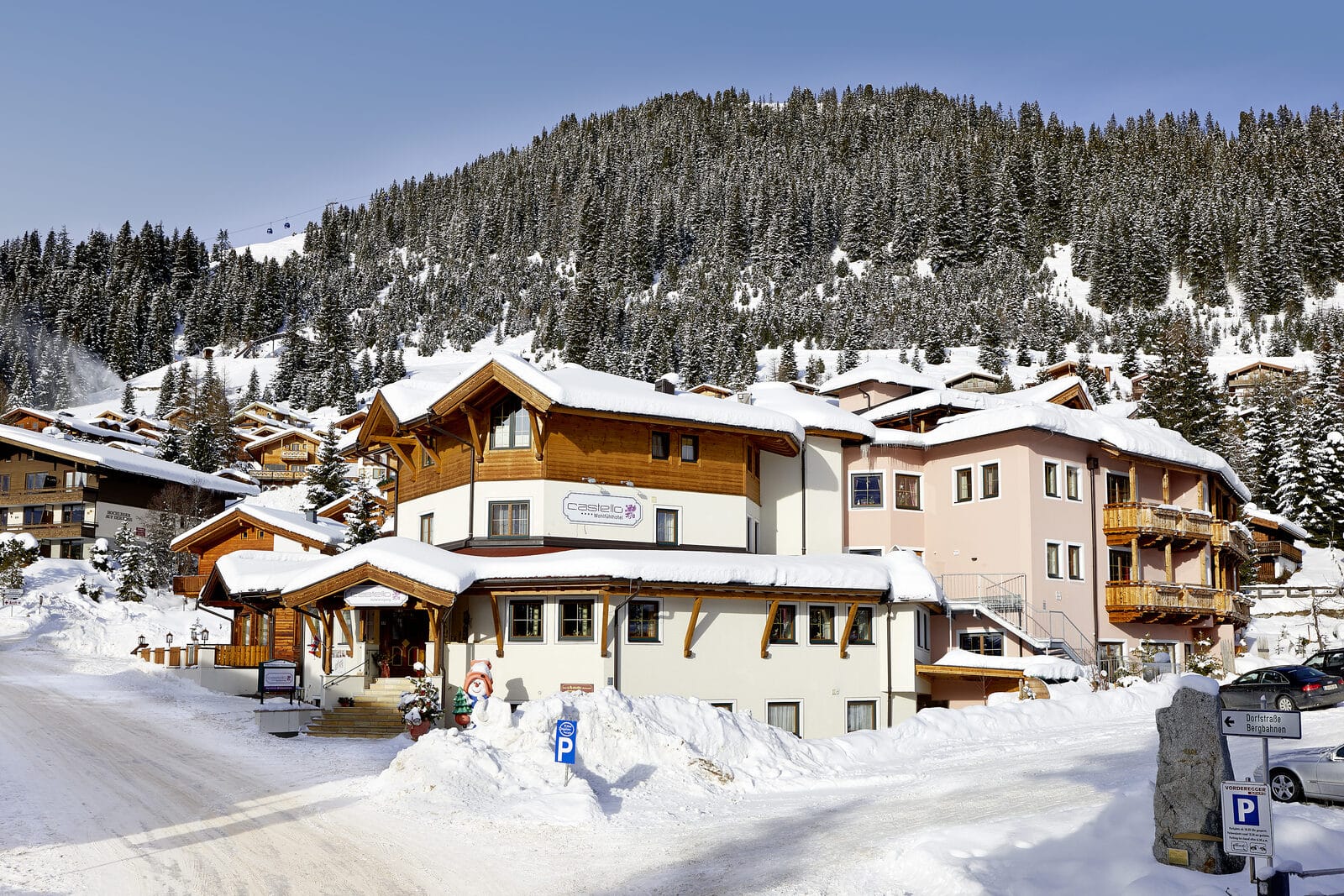
Whether his plans for summer tourism succeed remains to be seen. His commitment to organic food, however, is no longer in question. Eder encourages other hoteliers to stay at an organic hotel themselves and exchange experiences with fellow operators before deciding whether to make the transition.
For him, the journey began with a simple question about what he wanted to feed his daughter. Ten years after Castello received its organic certification, that same conviction continues to influence what is served to his guests.
- Location: Königsleiten, Salzburger Land, Austria
- Altitude: approx. 1,600 metres
- Organic certification: since 2016
- Organic food expenditure: almost 90%
- Photovoltaic system: 13 kWp, installed in 2018
- Heating: wood pellet heating
- Winter business: approx. 70% of annual turnover
Biohotel Castello Königsleiten
Check current rates and availability directly with the property.
Visit hotel websiteThis article is based on an original interview and a profile published by Salzburger BioParadies.
-
Salzburger BioParadies (2025)
Wo Gastfreundschaft Zuhause ist (Where Hospitality Feels Like Home)
Blog post “Geschichten aus dem BioParadies”, 19 December 2025. Background profile of the Eder family and Biohotel Castello. Original publication in German.


