

Key points
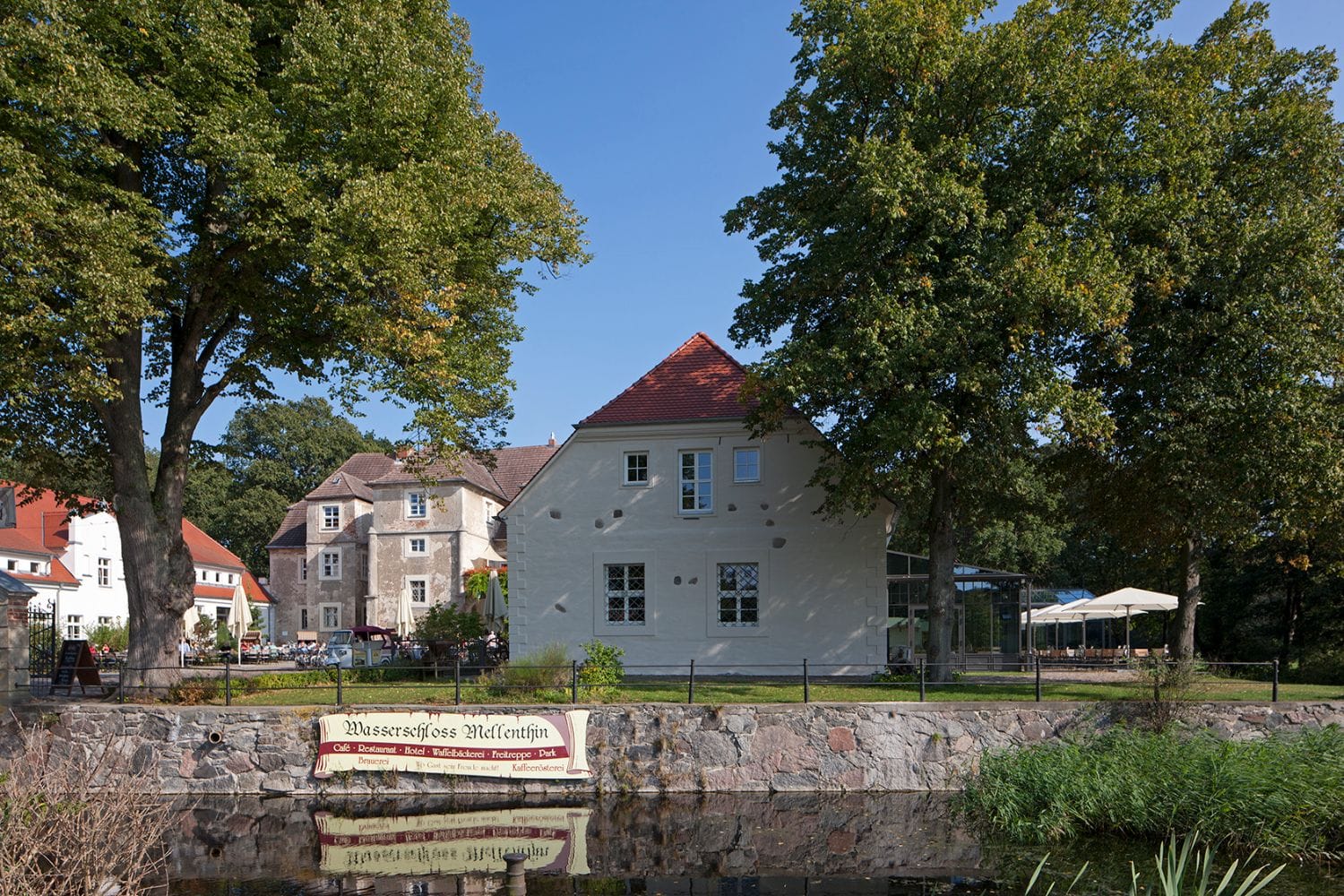
- In 2001, the municipality awarded Jan Fidora the Wasserschloss Mellenthin, a moated castle on the island of Usedom, for his concept of a brewpub.
- Because the banks would not finance the brewery at first, the hotel opened first, in 2007. The brewpub followed in 2011.
- Usedom’s first coffee roastery came next, followed by the Insel-Destillerie in 2020 and the Insel-Manufaktur, making rum and whisky, in 2021.
- Day visitors are an important pillar. Tours, whisky weekends and themed evenings bring guests to the castle in winter and spring, too.
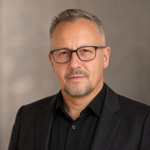
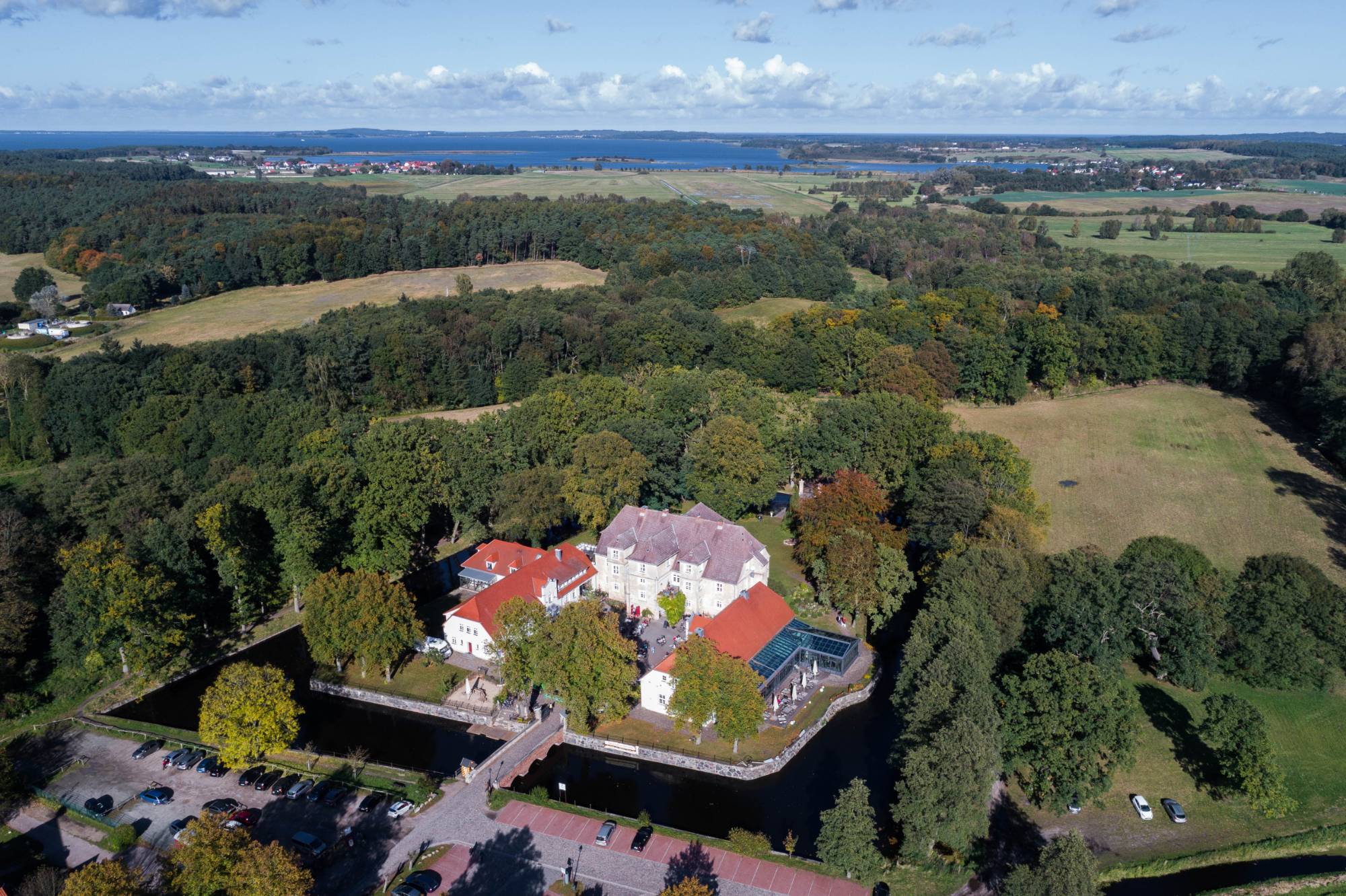
When Jan Fidora first stood in front of Wasserschloss Mellenthin, a moated castle on the Baltic island of Usedom, in 2001, he had actually been looking for something quite different. He wanted to open his own brewpub, ideally in an old building with character. What he found was a largely abandoned castle with vegetation several metres high and far more space than he would ever need. That this would one day become a hotel with its own brewery, coffee roastery, distillery and craft manufactory was something he could not have imagined at the time.
Fidora’s path into hospitality began with little glamour. Born in 1975 and raised in Westphalia, he started out washing dishes, later trained as a hotel specialist and discovered his passion for food and drink along the way. Even so, at some point he began to ask himself what really interested him, regardless of the profession he had learned. His answer was unusual: glassblowing and brewing beer.
It was the beer, above all, that he could not let go of. He completed a second apprenticeship as a brewer and maltster and developed the idea of combining his hospitality know-how with a brewery of his own. He first tried to make this dream come true in his home town at the time, Bad Westernkotten. Without success. His search for a suitable, affordable property in the surrounding area came to nothing as well.
So Fidora began to think bigger. In the late 1990s, he saw the greatest potential for tourism growth in two regions: Spain and Mecklenburg-Western Pomerania. When he presented the plan to his family, they were on board in principle, though with a clear preference. In his written answers to eingecheckt®, he recalls the decision in favour of Mecklenburg-Western Pomerania with a wink: “Everyone was just too lazy to learn Spanish.”
A little tourist train and a big decision
The search took two years before the family came across Wasserschloss Mellenthin. At the time, the historic estate belonged to the municipality, which was looking for a buyer. The Fidoras learned of the planned sale from a daily newspaper while they happened to be on Usedom.
What they found on their first visit was anything but a fully developed tourist property. The castle stood largely empty, and in places the vegetation had grown several metres high. Looking back, Fidora describes his impression at the time as that of a Sleeping Beauty castle. At the same time, the sheer size of the place made him sceptical. He really did not need that much space for the brewery he had in mind.
Then something happened that changed his view. While the family was looking around the grounds, a small tourist train carrying around 40 visitors suddenly appeared. The people had come to see the abandoned castle.
Even though there was no hotel, no brewery and no developed tourist infrastructure, the place was already drawing visitors. For Fidora, that was the decisive moment. He wanted to bid for the estate.
The municipality did not simply decide on the basis of the highest offer, but on the most convincing plan for using the property. Fidora presented his brewpub idea several times and was eventually awarded the castle. In late summer 2001, the family moved from Westphalia to Usedom. An entrepreneurial dream had turned into a major restoration project.
How a hotel nobody had planned came to be
The early years, however, did not go as planned. At first, Fidora could not get financing for his brewery. Instead, the family set up a restaurant serving hearty, traditional German food in a small part of the castle. In summer they looked after guests; in winter they carried on with the restoration.
For years, this rhythm shaped the family’s working life. Looking back, Fidora stresses that none of it would have been possible without the family sticking together.
By 2005, they had saved enough capital to make a fresh attempt at the brewery. Once again Fidora approached the banks, and once again several of them turned the financing down.
In the end, a bank employee suggested an alternative: instead of the brewery, Fidora could start by integrating a small hotel into the castle. That, he said, could be financed.
For a trained hotel specialist, this was of all things the business idea that interested him least. “I never actually wanted a hotel; I was always more interested in the restaurant side,” he recalls.
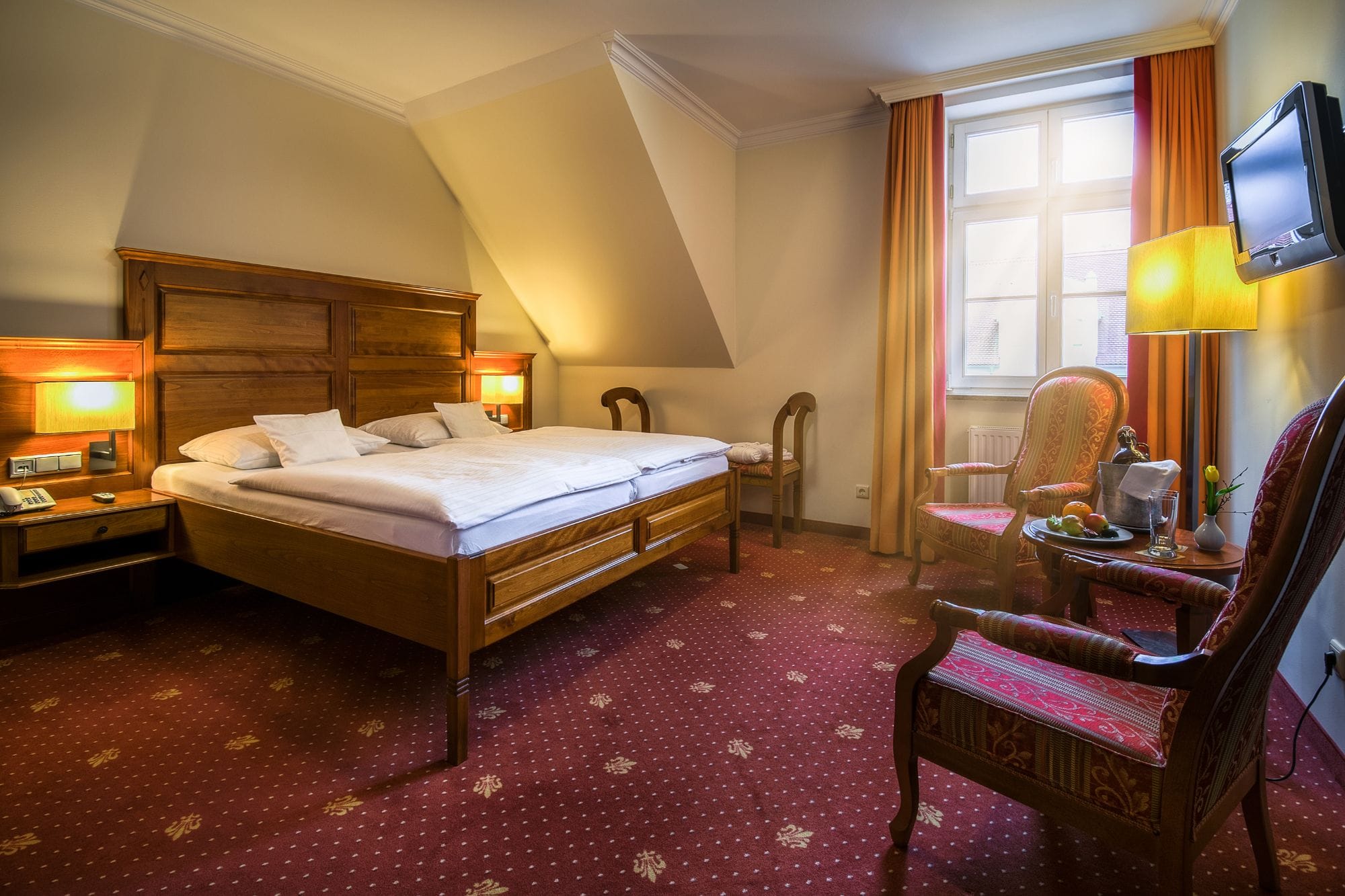
Even so, he saw an opportunity. After all, hotel guests would also eat in the restaurant, creating another source of income. So he agreed to the detour. The hotel opened in 2007.
That this step would be difficult from a construction point of view became clear during the conversion at the latest. The historic building offered no standard room layouts. Every room had a different shape, which made planning and fitting out considerably harder.
Ten years later, the beer finally arrives
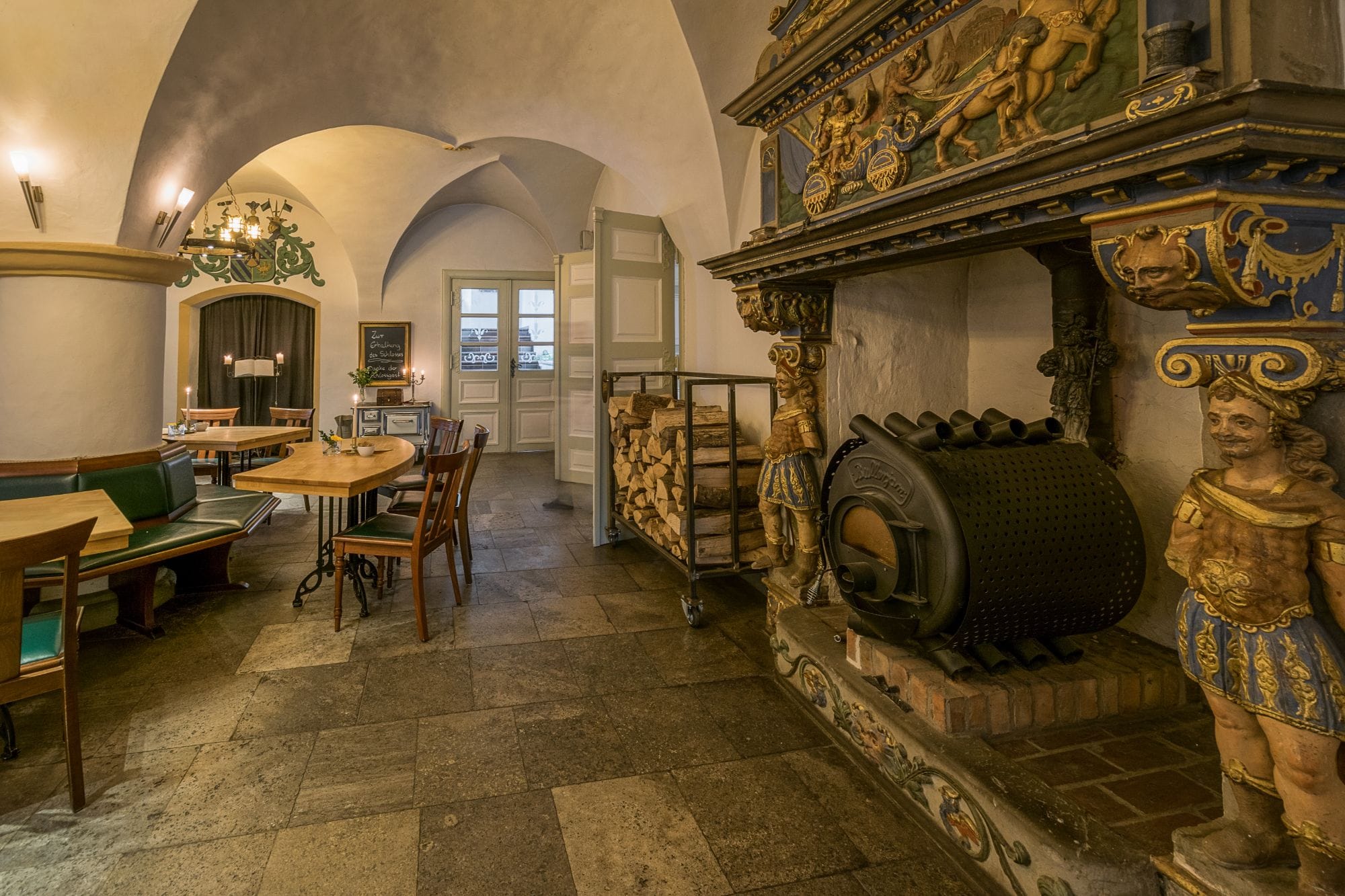
After building the hotel, Fidora first needed to catch his breath, financially and organisationally. In 2010, he took up his original idea once more. This time the talks with the banks went much more smoothly. The financing came through, and in 2011 the castle’s own brewpub finally opened in the east wing.¹
Ten years had passed since the family acquired the castle. In that time, Fidora had built up a restaurant, restored large parts of the building and opened a hotel, even though it was only the brewery that had brought him to Usedom in the first place.
His enthusiasm for it has not faded. “I’m only here for the beer,” he sometimes tells his guests.
Yet the long-awaited brewing project turned out to be particularly demanding from a technical point of view. Fidora explains that the brewhouse was powered entirely by a combined heat and power plant – a world first at the time. The technical challenges, he says, were far greater than originally expected.
And so, of all things, realising his original dream became one of the most difficult stages in the company’s entire development.
From one brewery to a whole business
For Fidora, however, opening the brewery was by no means the end. The castle still had unused space, and with it room for new business ideas.
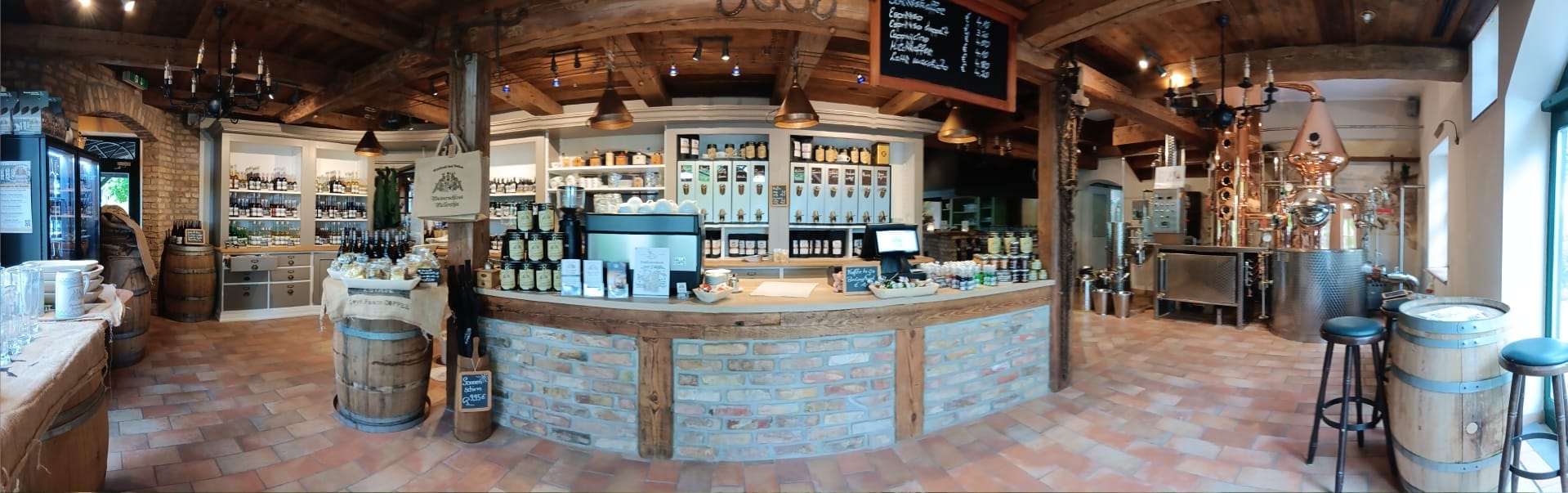
Next came Usedom’s first coffee roastery, which was initially also housed in the east wing. A small castle shop opened alongside it, creating another way to sell the castle’s own products directly to guests.
In 2020, the Insel-Destillerie followed. Together with a master distiller, Fidora began producing his own liqueurs, fruit spirits and gin. Just one year later, the Insel-Manufaktur was set up with a larger coffee roastery and a second distillery. Now rum and whisky were to join the range as well.
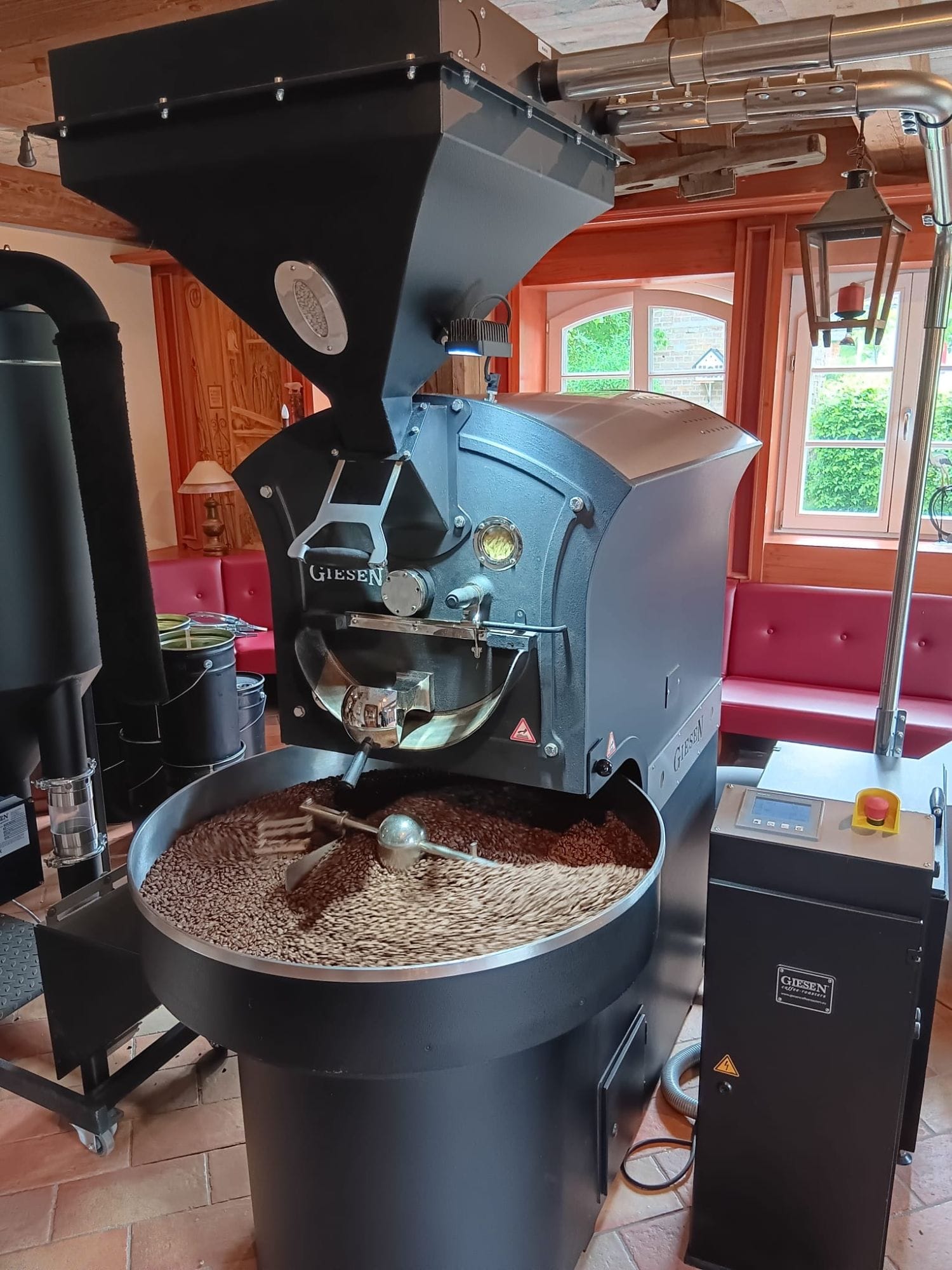
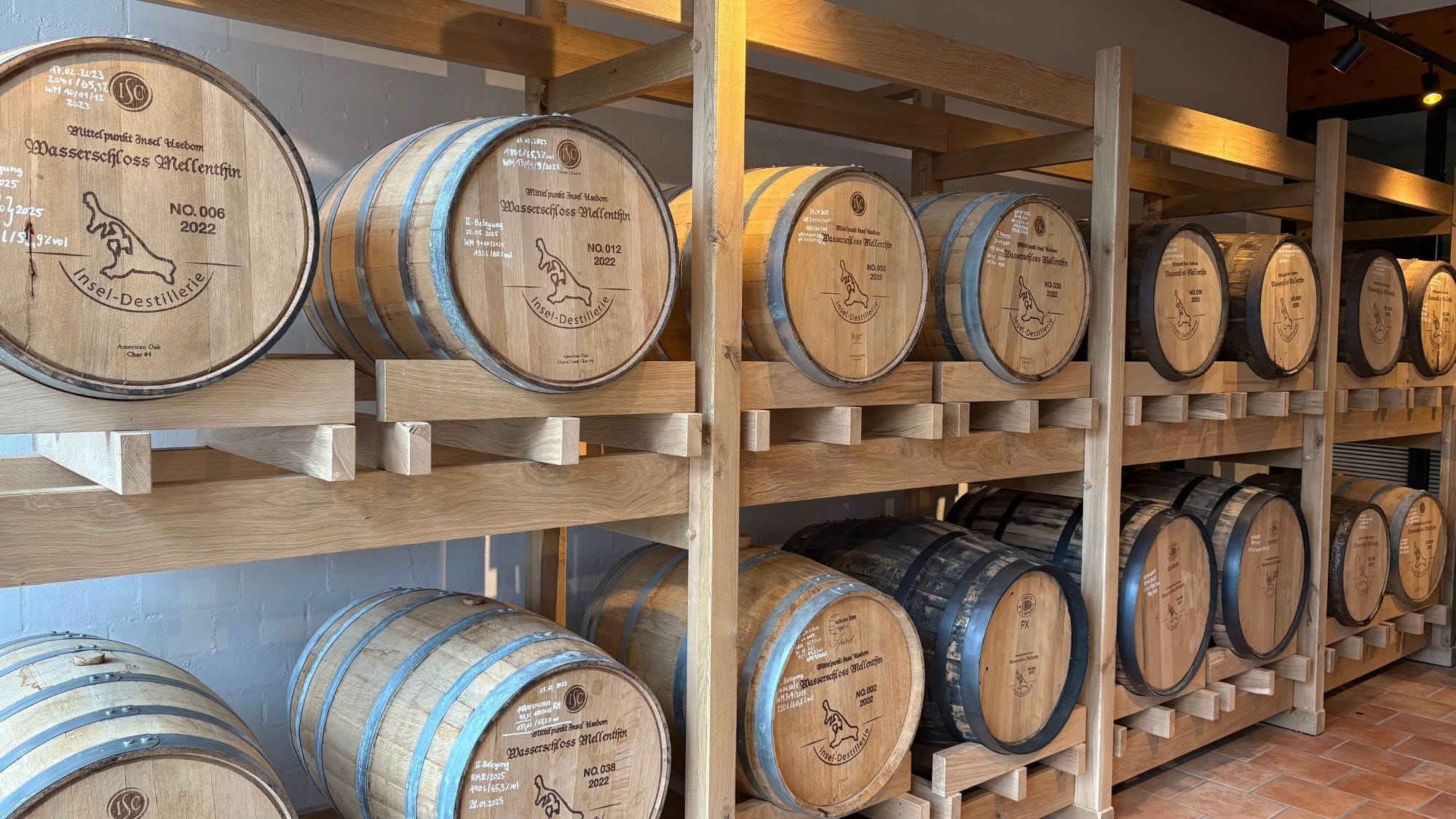
What may at first look like an unusual collection of different business ideas now follows a clearly recognisable principle. The individual offerings are meant to complement one another. Guests can stay overnight in the castle, eat in the restaurant, attend events, see where things are made or take home products made on site.
Fidora describes the development like this: “All these ventures have fed off one another. The more we offered, the more guests came.”
What makes this special is not simply offering as many services as possible. What matters is that these offerings fit the location and the entrepreneur’s own story.
Why guests come without booking a room
One group of visitors now plays a special role in the business model: people who do not stay overnight at the castle at all.
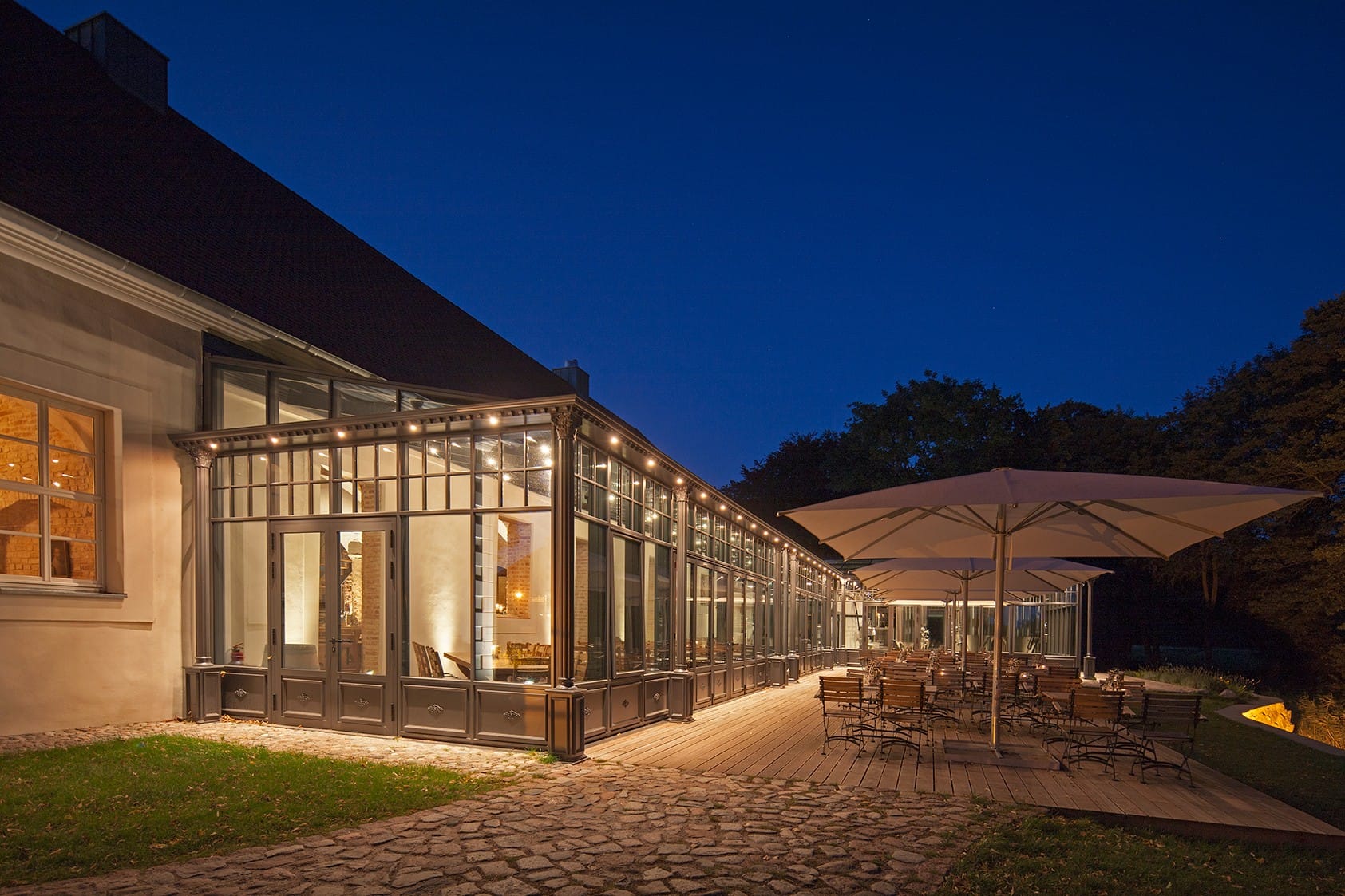
While classic holiday hotels focus much of what they offer on overnight guests, Mellenthin has also become a destination in its own right. Day visitors come for the historic building, the restaurant, the brewery, the coffee roastery or the waffle bakery. Families, for example, come for raft trips.
In this way, the hotel grounds also become a place where people can spend their whole day.
What is especially interesting for other hoteliers is the idea that a hotel does not necessarily have to live from overnight guests alone. A distinctive restaurant, in-house production or a programme of events can create additional reasons to visit.
However, a concept like this requires the individual areas to suit the business and to fit together sensibly in organisational terms. In Mellenthin, this variety was not designed on the drawing board, but grew over many years.
What works in winter, when the holidaymakers stay away
This development becomes particularly interesting with regard to seasonality. As a holiday region, Usedom is heavily shaped by tourism. Hotels there therefore regularly face the question of how to generate demand outside the classic travel seasons.
Fidora uses the different parts of his business to do just that. In winter, for example, there are Christmas parties that can be combined with brewery or distillery tours. Then there are events in the castle courtyard, for instance with hot beer and sloe punch around the fire bowl.
Further offerings range from whisky weekends to medieval knights’ buffets, brewers’ evenings and “Ostalgie” evenings celebrating everyday life in former East Germany. In spring, the castle regularly hosts yoga, dance and fasting groups.
This creates reasons to travel that do not depend solely on summer beach weather or the classic holiday periods. The variety helps to strengthen demand in the winter and spring months, too.
What Jan Fidora would pass on to other hoteliers
Some 25 years after buying the castle, the brewpub he originally planned has become a business with several hospitality and tourism pillars.
What stands out is that many of the decisions did not stem from a long-term growth strategy. Some arose from personal interests, others from economic necessity. The hotel was built because financing for the brewery fell through. The coffee roastery came about because there was space and Fidora saw new opportunities. The distillery, in turn, opened up yet another line of business.
So what advice would he give today to a hotelier who would also like to expand their property with additional offerings?
Above all, Fidora sees authenticity and personal passion as decisive. An operator must be able to stick with their concept, even if setbacks are inevitable. At the same time, he recommends taking a close look at what makes one’s own property and region special. Not everything has to be on a grand scale. Small and minimalist ideas can work too, as long as they suit the business.
There is one more point he particularly emphasises: the staff. They are the most important part of any hotel, he says. The real art lies in keeping people together as a team over the long term.
This brings the story full circle to the castle’s beginnings. Without his family sticking together, the huge project would hardly have been possible.
What began 25 years ago with a young man who was determined to brew his own beer is today a hotel and hospitality business with its own production and a varied programme of events.
And perhaps the unusual course of this story is the most interesting lesson for other hoteliers: not every successful business idea has to be fully planned from the outset. Sometimes a viable concept emerges because an entrepreneur holds on to his original conviction while remaining willing to respond to unexpected developments.
Wasserschloss Mellenthin
Check current rates and availability directly with the property.
Visit hotel websiteThis article is based on an original written interview and a publication by Wasserschloss Mellenthin.
-
Wasserschloss Mellenthin (2018)
Brauerabend im Wasserschloss Mellenthin
Press release, 2 April 2018. First brews in the newly built brewpub in October 2011. Original publication in German.


