


Key points
- Six Senses Crans-Montana in the Valais Alps opened in 2023 and has 77 rooms and suites plus a private chalet.
- In 2026 it won three awards: best resort in Europe from Condé Nast Traveler, 16th in the world from Travel + Leisure and two MICHELIN Keys.
- General Manager Jean-Yves Blatt wants good ideas to come from every position in the team – regardless of hierarchy.
- 0.5 per cent of revenue goes to local associations and foundations, such as the wildlife initiative OPPAL.
Three international awards within a few months have put Six Senses Crans-Montana in the spotlight of luxury hospitality. In an interview with eingecheckt®, General Manager Jean-Yves Blatt talks about the philosophy behind the young Alpine resort, the importance of his team and why exceptional hospitality does not necessarily require an exceptional budget.
A good idea in a hotel can come from very different directions. Perhaps from an experienced head of department – or perhaps from someone who joined the team only a few weeks ago. For Jean-Yves Blatt, General Manager of Six Senses Crans-Montana, an employee's position should certainly not decide whether their ideas are heard. He wants to encourage people to think creatively, contribute ideas and experiment. Not every idea will become something truly special, the hotel manager concedes. But those who do not give their team this freedom will never discover the ideas that could genuinely lead to something exceptional.¹
This attitude is an interesting starting point for getting to know a hotel that is currently attracting international attention. Six Senses Crans-Montana is located in the Swiss Alps, right on the ski area of the well-known Valais resort. Opened in 2023, the resort has 77 rooms and suites, a private four-bedroom chalet, generous wellness facilities, restaurants and direct access to the Alpine landscape.² It belongs to the international luxury brand Six Senses, which has made wellness, sustainability and personal hospitality central elements of its philosophy.
The property has since received a series of remarkable awards. In the 2026 Readers' Choice Awards of the US edition of travel magazine Condé Nast Traveler, it was voted the best resort in Europe.³ Readers of Travel + Leisure ranked it second among Europe's resorts and 16th among the 100 best hotels in the world.⁴ In addition, the MICHELIN Guide awarded the resort two MICHELIN Keys in September 2026.⁵ For a hotel that has only been welcoming guests for around three and a half years, that is a considerable international presence.
Blatt, however, does not talk about this success like someone who has found a finished formula. In his written interview with eingecheckt®, he instead describes an ongoing process in which the offering is continuously reviewed, refined and adapted to the expectations of today's luxury travellers. What matters, he says, is staying true to the Six Senses philosophy while asking how the property can remain relevant and distinctive for its guests.¹
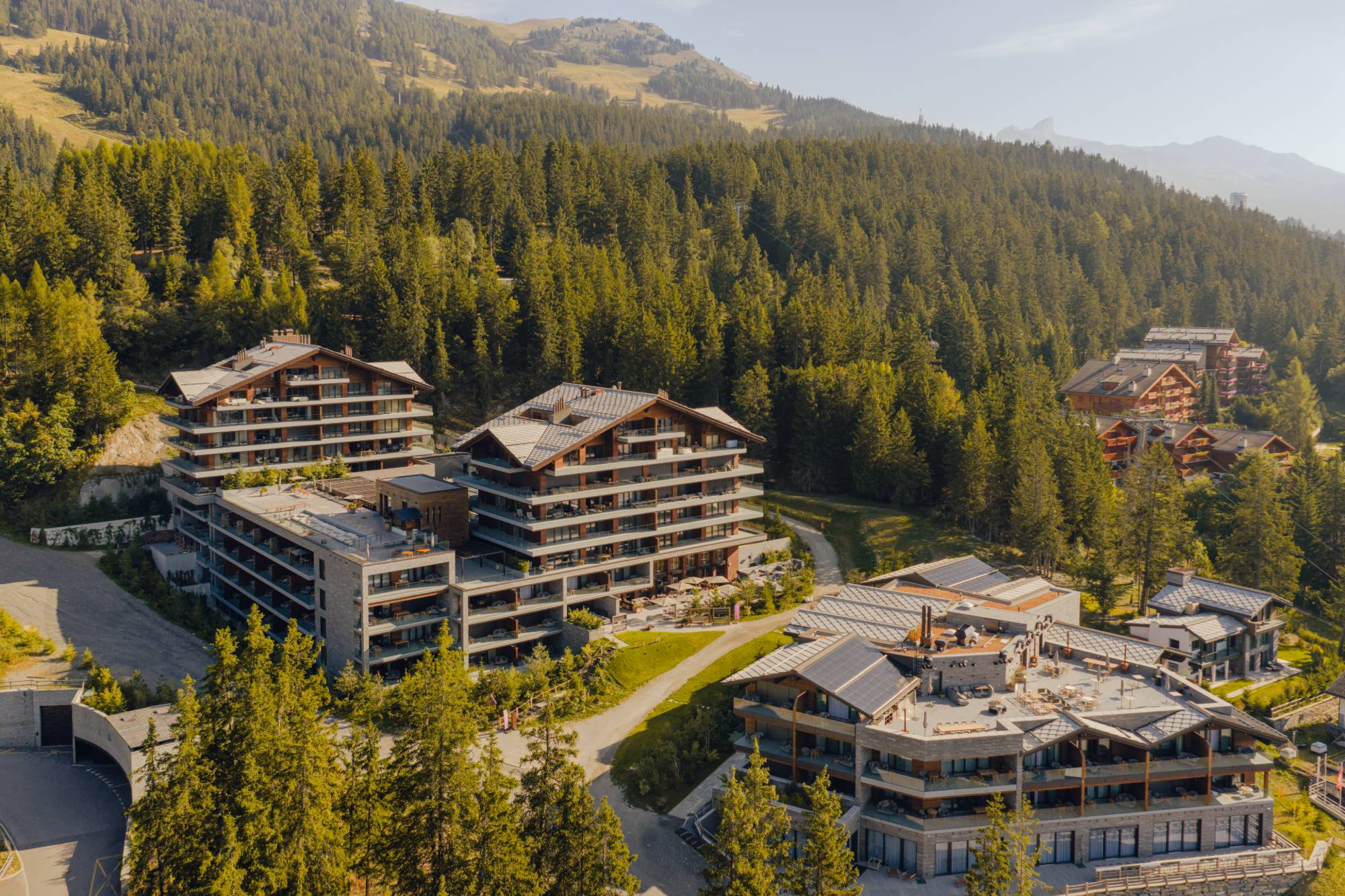
A hotel must know what it stands for
Beautiful rooms, excellent cuisine and attentive service are taken for granted in international luxury hospitality. Anyone who wants to succeed in this segment therefore needs more than high-quality facilities. Jean-Yves Blatt sees his resort's strength above all in combining different experiences into a recognisable identity: wellness, adventure, gastronomy and a genuine connection with the destination.
The Alpine setting plays an important part in this. In winter, Crans-Montana offers excellent conditions for skiing, while in summer hiking, mountain sports and other activities take centre stage. The hotel aims to combine these opportunities with its own idea of wellbeing. Guests should be able to experience the landscape actively, while also finding time to slow down and recharge.
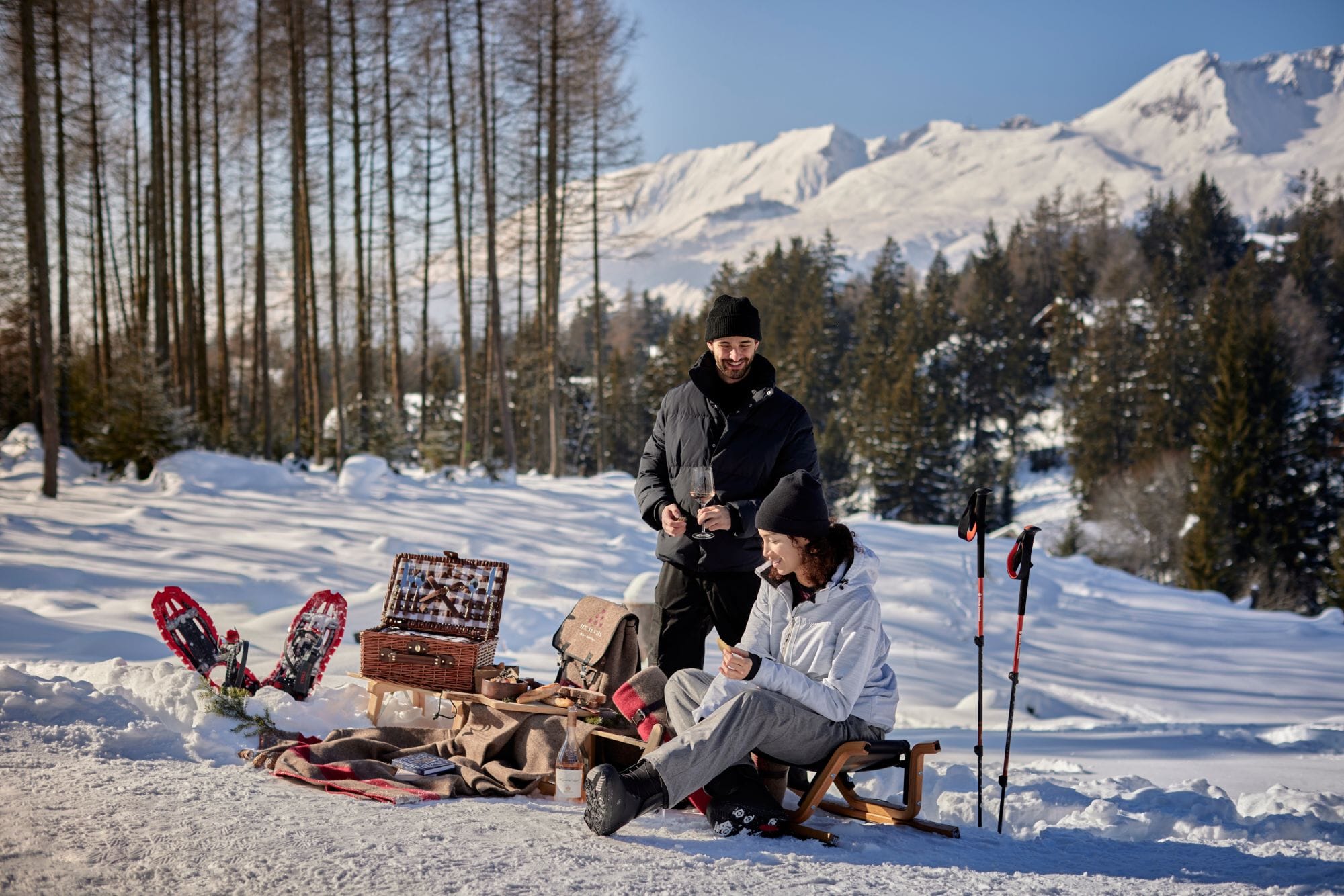
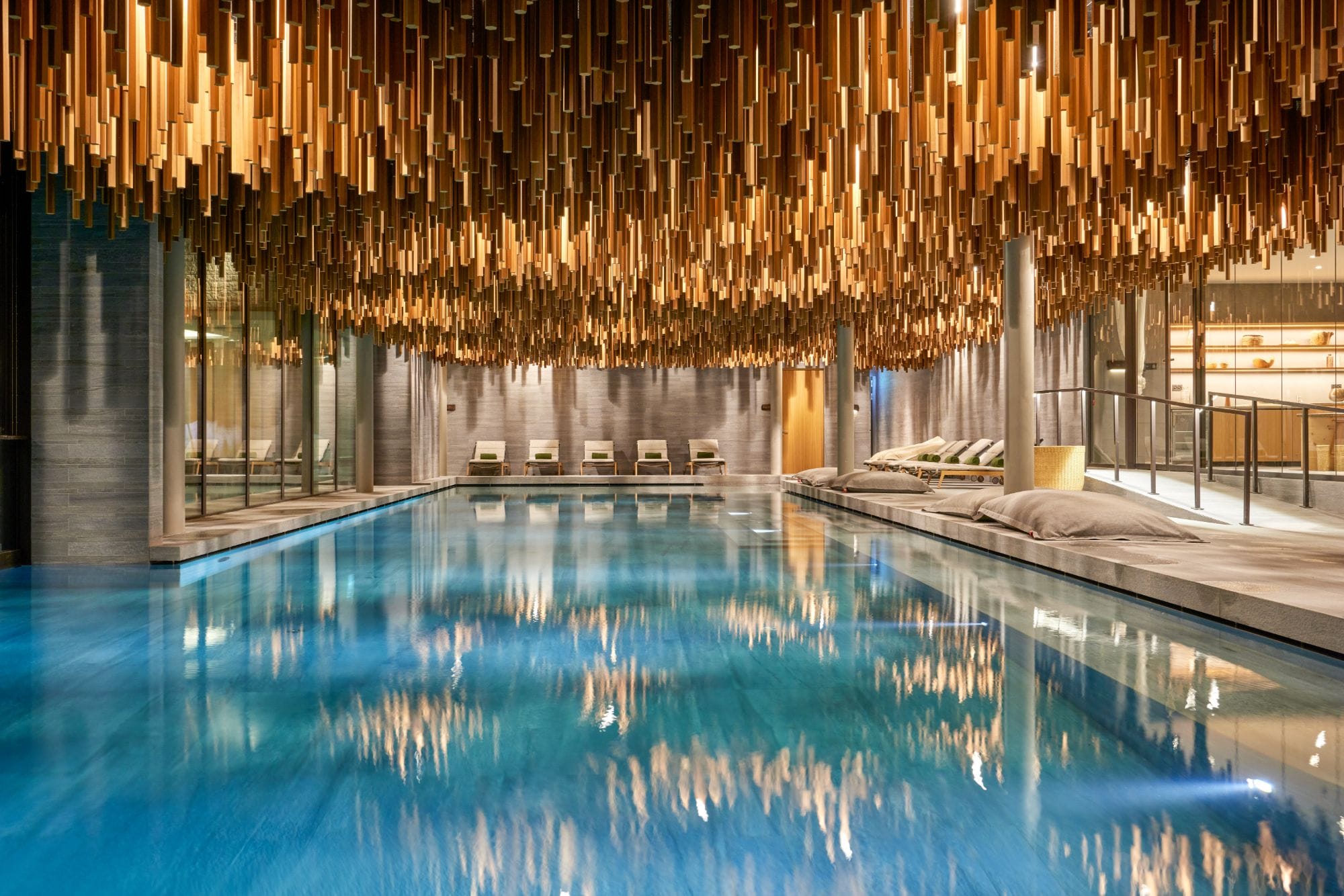
According to this philosophy, wellness goes beyond the spa. It also encompasses sleep, nutrition, movement, mindfulness and the opportunity to reconnect with oneself. In day-to-day hotel operations, this means not simply placing offers side by side, but connecting them. A guest who has spent the day in the mountains should find relaxation just as naturally as a guest who planned their trip as a retreat from everyday life from the outset.
For Blatt, communication also plays a major role. A hotel must not only develop its identity, he says, but also communicate it clearly and consistently to potential guests. Especially in an increasingly competitive luxury market, a recognisable position is crucial.¹
There is an idea here that is by no means limited to five-star resorts. A smaller hotel, too, must be able to explain to its guests what sets it apart and which expectations it aims to meet. The differences lie in resources and offerings, not necessarily in the importance of a clear direction.
When employees help shape the guest experience
Blatt's understanding of leadership becomes particularly clear when he talks about his team. For him, the team is at the heart of daily work. Rather than only passing instructions from the top down, he wants to foster a working culture in which people can contribute their own observations, experiences and ideas.
In his interview with eingecheckt®, he stresses that creativity should explicitly not depend on a particular position. What matters is the willingness to share ideas, work on them together and occasionally try something whose outcome is still uncertain. Not every suggestion has to succeed for it to be worth paying attention to.¹
This is a particularly interesting approach in hospitality. Employees at reception, in the restaurant, in housekeeping or in the spa see every day how guests respond to what is on offer, what delights them and where wishes may remain unmet. They often encounter guests far more directly than the hotel's management. Anyone who brings these experiences into the development of their property gains an additional perspective on their own offering.
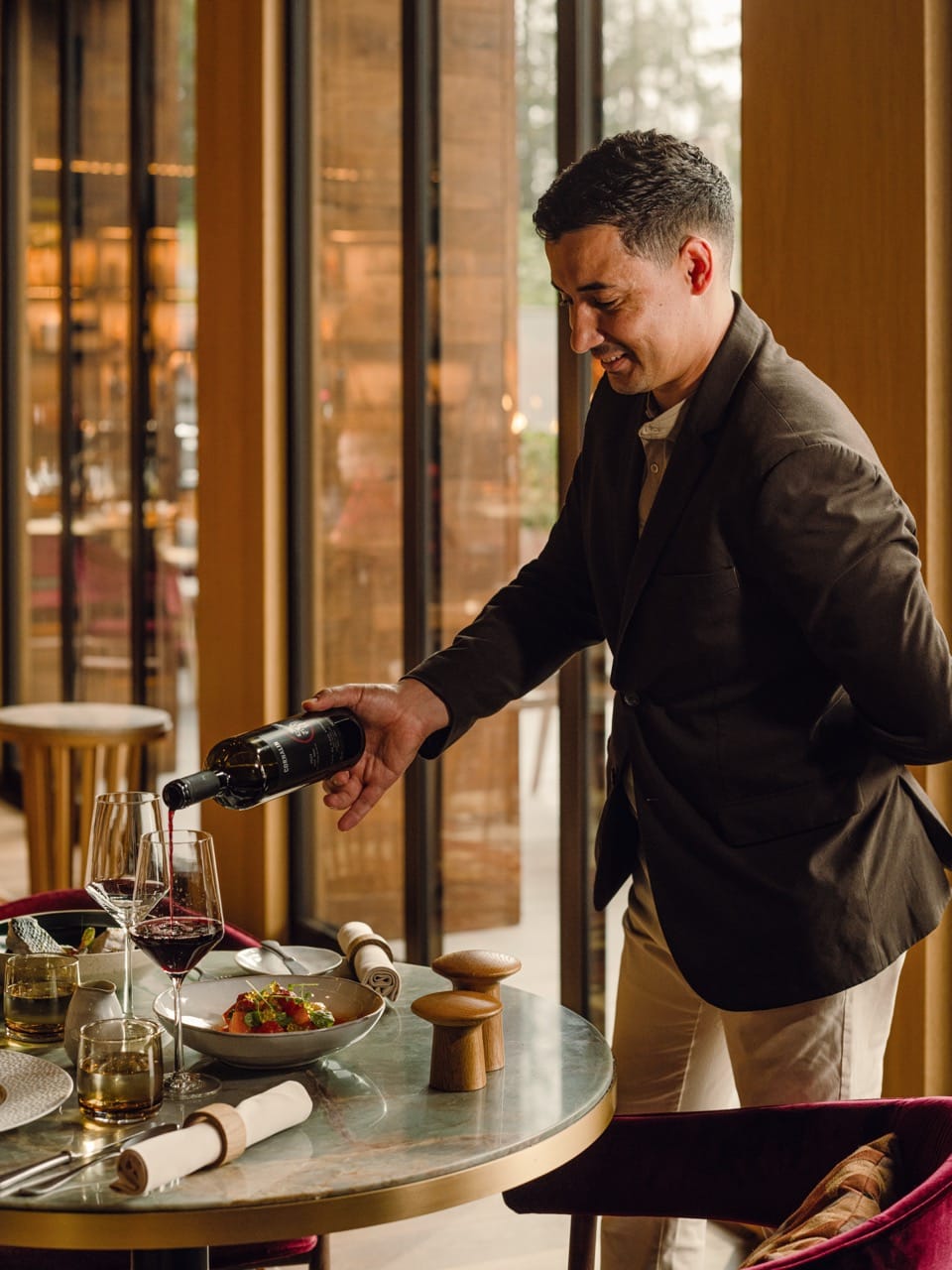
How this idea is expressed in practice at Six Senses Crans-Montana can also be seen in the weekly activity programme. Guests can take part in a range of indoor and outdoor activities, which, according to Blatt, are well attended. In his words, these activities bring the Six Senses philosophy to life in a practical and engaging way.¹
Blatt therefore does not see exceptional hospitality as the achievement of a few particularly talented hosts. Instead, he describes it as a collective effort built on curiosity, collaboration and a shared desire to do things a little differently. For other hoteliers, this point may be especially interesting: such a leadership culture cannot simply be bought; it has to be developed within a team and genuinely lived.
Sustainability that also happens beyond the hotel
Sustainability is another element of the concept. At Six Senses Crans-Montana, it is not limited to measures that hotel guests can see directly. According to the company, the building is heated with recovered wood waste, excess heat from the kitchens and spa is reused, and renewable Swiss hydropower is used, supported by solar panels. At the Earth Lab, guests can join zero-waste workshops, from candle making to seed bombs.⁶
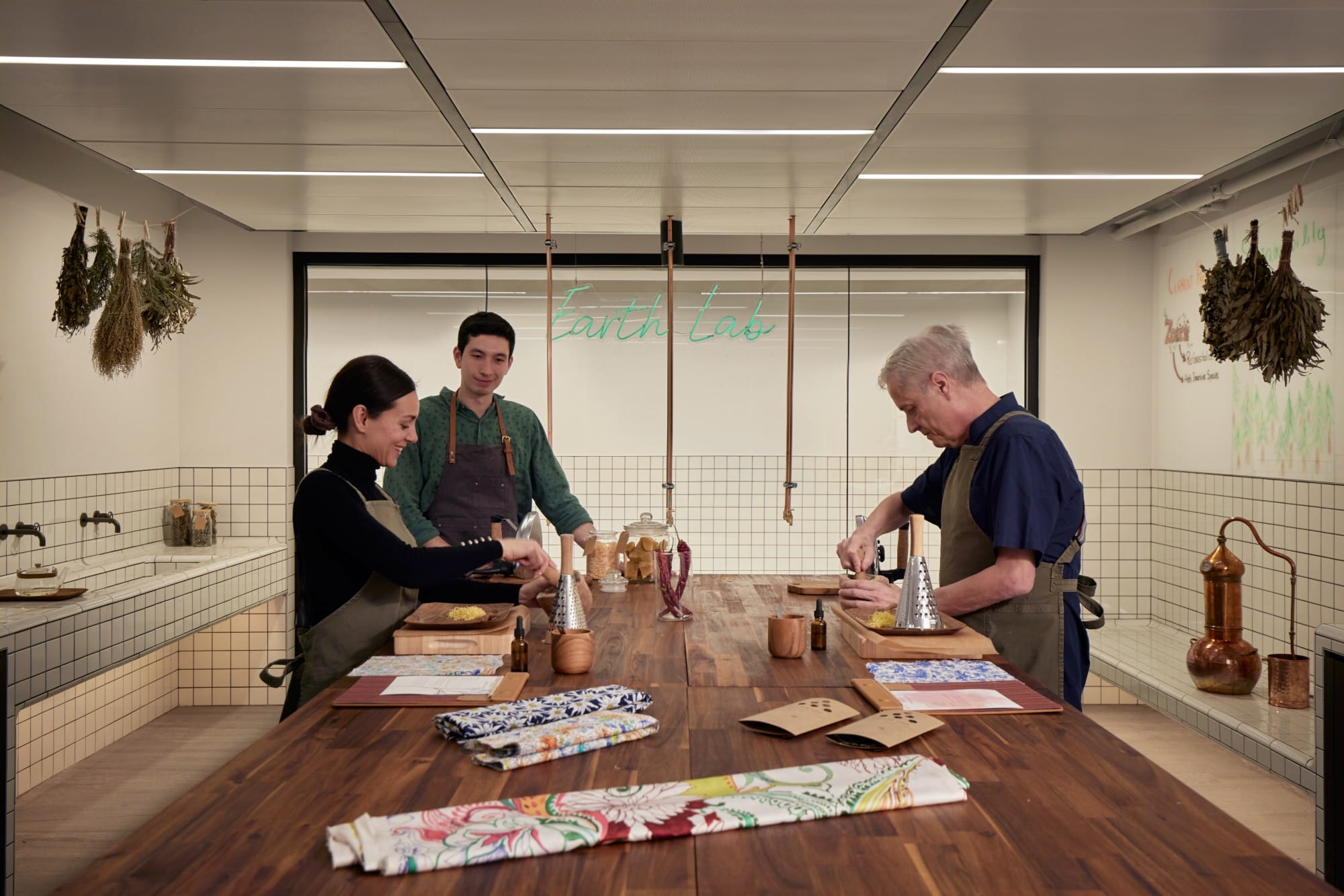
In the interview, however, Blatt places particular emphasis on another area: responsibility towards the region. According to him, the resort allocates 0.5 per cent of its revenue to local associations and foundations. The projects address both social and environmental challenges.¹ ⁶
The organisations it supports include OPPAL, a Swiss initiative that works on the coexistence of wildlife and human activities in the Alps.¹ The return of the wolf in particular presents challenges for livestock farmers, conservation organisations and the regions concerned. OPPAL seeks to promote workable solutions through practical fieldwork, education and cooperation.⁷
The hotel also supports Institut Saint-Raphaël in Valais.¹ The institution helps young people facing difficulties in their family, educational, social or professional environments. Among other things, it offers educational support, help with schooling and assistance with entering working life.⁸
These examples show that, for the resort, regional responsibility is not only about using local products or employing people from the region. Support is also meant to reach places where social and environmental challenges exist that are only partly connected with the hotel business itself.
Blatt does not hide the fact that such an ambition is not always easy to put into practice. The real challenge, he says, is translating good intentions into consistent, measurable action while managing the day-to-day operations of a demanding hotel. This requires the continuous involvement of the team and a willingness to question established practices.
It is therefore particularly important to him that sustainability is not reduced to outward presentation. Initiatives should create a tangible impact rather than serve simply as a communication exercise.¹ The resort's publicly documented projects and measures give this statement concrete context.
International awards are a beginning, not a finished success
Three major awards within a few months would delight many hoteliers. Jean-Yves Blatt, too, sees the recognition as an important step for his property. At the same time, he places it within a longer process of development.
The resort is still at a relatively early stage of its history. Building awareness, establishing a clear position in the market and winning international guests over the long term all take time. In the General Manager's view, the awards help to strengthen the resort's visibility and credibility. This effect is already being felt, he says, particularly in the US market.¹
This is an interesting aspect, because international recognition does not have the same effect everywhere. While magazines such as Condé Nast Traveler and Travel + Leisure play an important role in reaching American luxury travellers, the hotel also wants to build stronger awareness in Switzerland and across Europe. Here, Blatt sees the MICHELIN Keys and the resort's positioning in the GaultMillau guide as important signals of the property's quality and distinctive character.
Blatt does not put figures on whether the awards have already led to concrete changes in bookings or guest demographics. His focus is in any case on a longer-term goal: international attention should turn into lasting guest relationships and a strong reputation.
For the hotel industry, this is an important distinction. Awards can create attention and provide orientation. But the experience a guest then actually has must also deliver on the promise they imply. A travel magazine can recommend a hotel, and a guide can recognise its quality. Whether a guest returns is still decided during the stay.
What smaller hotels can learn from Six Senses Crans-Montana
Asked which lessons he would recommend to smaller, independent hotels, Jean-Yves Blatt is remarkably cautious. He would be careful about giving universal advice, he explains. After all, every hotel is different: its location, size, ownership structure, target clientele and management philosophy all influence what will work.
Nevertheless, he names a few principles that he considers relevant to almost every hotel. Hoteliers should understand what makes their property genuinely distinctive, remain consistent with that identity and make sure that their offering delivers on the promise they communicate to guests. Equally important, he says, are a willingness to listen to guests, empower the team and keep challenging one's own assumptions.¹
Not every hotel can afford a large spa. Extensive international marketing campaigns, elaborate architecture or a broad activity programme are often not realistic options for smaller properties either. But that is precisely why Blatt's distinction between financial resources and the fundamental quality of hospitality is so noteworthy.
A small property can get to know its guests personally, consistently develop its strengths and authentically integrate regional characteristics into what it offers. It can encourage its team to take responsibility and suggest improvements. And it can consider whether the expectations raised by its communication match the actual stay.
None of this necessarily requires the resources of an international luxury brand. Blatt, too, emphasises that what matters above all is a clear vision, a strong sense of place and the discipline to deliver the details consistently.¹
His closing thought sums up the philosophy behind Six Senses Crans-Montana in an idea that reaches far beyond top-end hospitality: authenticity and coherence are often more powerful than trying to be everything to everyone.¹
Perhaps this is the most interesting insight from the story of this young Swiss Alpine resort. The international awards make Six Senses Crans-Montana visible. Its General Manager's ideas about leadership, hospitality and a consistent identity explain the path the property wants to take.
And that path does not necessarily begin with the next major investment. Sometimes it begins with listening to one's own team.
This article draws on an original written interview as well as official hotel information, awards and information from regional organisations.
-
Jean-Yves Blatt, General Manager, Six Senses Crans-Montana (2026)
Written interview with eingecheckt.de.
Original editorial source, October 2026. -
Six Senses (2023)
Alpine vitality, serenity, and winter activities in Crans-Montana.
Press release published on 7 June 2023. Opening, accommodation, spa and location of the resort. -
IHG Hotels & Resorts (2026)
IHG Hotels & Resorts’ Luxury & Lifestyle portfolio recognised by readers around the world.
Press release published on 7 October 2026. Condé Nast Traveler Readers’ Choice Awards 2026: No. 1 resort in Europe (US edition). -
Travel + Leisure (2026)
These 15 Resorts Are the Best in Europe for 2026.
Published on 9 July 2026. World’s Best Awards 2026 (readers’ survey): No. 2 resort in Europe. Global ranking: Best Hotels in the World, published on 7 July 2026, No. 16. -
MICHELIN Guide (2026)
Alle MICHELIN Key Hotels in der Schweiz.
Published on 18 September 2026. Six Senses Crans-Montana: two MICHELIN Keys, new in 2026. Original publication in German. -
Six Senses Crans-Montana (2026)
Sustainability at Crans-Montana.
Hotel website, accessed on 12 October 2026. Energy and heat recovery, Earth Lab, Regenerative Impact Fund (0.5 per cent of revenue). -
OPPAL (2026)
Über uns.
Association profile, accessed on 12 October 2026. Herd monitoring, awareness-raising and scientific cooperation for the coexistence of wildlife and people. Original publication in German. -
Institut Saint-Raphaël (2026)
Institut Saint-Raphaël.
Website of the institution, accessed on 12 October 2026. Educational, school and vocational support for young people in Valais. Original publication in French.


