


Key points
- Overnight coach trips generate around 15.2 million overnight stays in Germany. Tourism by bus and coach brings in around €14.5 billion in gross revenue a year.
- When choosing a hotel, coach operators look at access, drop-off at the door and coach parking – and at whether guests can eat and sit together in the evening.
- From the hotel side, reliable arrangements and personal service count. Groups now like to combine relaxing at the hotel with outings into the region, reports the Heilthermen Resort Bad Waltersdorf.
- Friction arises mainly over room allocations that must be confirmed early. The bdo would like staggered releases and more flexible deadlines.
- For electric coaches, a car charging point may be enough in future, provided a coach can reach it and reserve it.
Coach tourism generates millions of overnight stays and billions in revenue. But turning a group booking into good business takes far more than having enough rooms available.
15.2 million overnight stays. According to the German Federal Association of Bus and Coach Operators (bdo), that is the volume generated by domestic overnight coach trips in Germany.¹ Behind that figure are groups of travellers exploring towns, visiting attractions, eating in restaurants and looking for somewhere to stay at the end of the day. For hotels, this represents a substantial market, but one with its own rules. A coach brings not only a large number of guests at once, but also a particular set of operational requirements.
The economic significance of this business becomes clear in the study “Coach Tourism as an Economic Factor in Germany”, published in October 2026 by the German tourism research institute dwif on behalf of the bdo. According to the findings, tourism involving buses and coaches generates approximately €14.5 billion in annual gross revenue in Germany. Of that total, 45.6% comes from spending by travellers directly at their destinations.¹ The money reaches a wide range of businesses, from hotels and restaurants to shops and cultural attractions. Smaller towns and rural regions, in particular, can benefit when they are attractive and accessible to organised groups.
An industry caught between demand and rising costs
The financial position of coach operators, however, is far less comfortable than those impressive figures might suggest. The bdo’s 2025/2026 business survey indicated broadly stable demand, but more companies reported a deterioration in their business situation than an improvement.² Rising operating costs, a shortage of drivers and increasing uncertainty over bookings have added further pressure.
Johan Ohnesorge, Tourism and Legal Affairs Officer at the German Federal Association of Bus and Coach Operators, understands these challenges from the industry’s perspective. In a written interview with eingecheckt®, he explains just how sensitive operators are to changes in fuel prices. He gives an example: a 60-cent increase in the net price of diesel per litre would add approximately €144,000 to the annual costs of a company operating ten coaches, each travelling 80,000 kilometres a year and consuming 30 litres per 100 kilometres. For journeys already sold, operators often have little opportunity to recover that additional expense.
Travellers’ booking habits are changing at the same time. In a bdo industry survey conducted in September 2026, almost 42% of responding coach-tourism businesses reported fewer bookings, while more than a third observed customers making decisions closer to departure.³ For tour operators, this makes financial planning more difficult. For hotels, it creates a different problem: rooms and staffing must be organised before the final number of guests is known.
Why an impressive hotel brochure isn’t always enough
What makes a property attractive to coach tour operators? Room capacity, group rates and a convenient location might seem the obvious considerations. Yet from an operator’s perspective, the decision begins well before guests reach reception.
“A good group hotel considers the entire journey,” Johan Ohnesorge explains.
That starts with practical access. A full-sized coach needs to reach the property without having to negotiate unsuitable roads or awkward turns. Passengers should be able to disembark safely, preferably directly outside the entrance. And if the driver must then drive some distance to find somewhere to park, a supposedly straightforward arrival can quickly become a logistical headache.
More surprising is the importance coach operators attach to something that might initially seem relatively minor: what guests can do in the evening.
“One particularly important consideration is what the hotel offers in the evening: coach tours often visit smaller towns and rural areas. After a day’s sightseeing, guests want something to eat, a drink or simply somewhere to sit together.”
A hotel may be wonderfully located and beautifully furnished, but if its restaurant is closed, the bar is unavailable and there is no suitable communal space, it can become considerably less appealing to certain groups. In smaller destinations, where alternative restaurants may not be within easy reach, these facilities can make the difference between winning and losing a booking.
There is a useful lesson here for hoteliers. Creating an attractive group offering does not necessarily mean investing in expensive new leisure facilities. Sometimes, making existing services reliably available is what makes a property suitable for tour operators in the first place.
What groups look for at a spa resort
What does coach business look like from a hotel’s point of view? For the Heilthermen Resort Bad Waltersdorf in Styria, Austria, coach groups are “a valuable group of guests”, says Bernadette Maierhofer, authorised officer and head of marketing and sales. Both day trips to the thermal spa and stays of several nights at the hotel are popular. Guests come mainly from Austria and neighbouring countries, drawn by the thermal water, the range of saunas and the relaxed atmosphere. Unlike on many touring holidays, the spa itself is the reason for the trip.
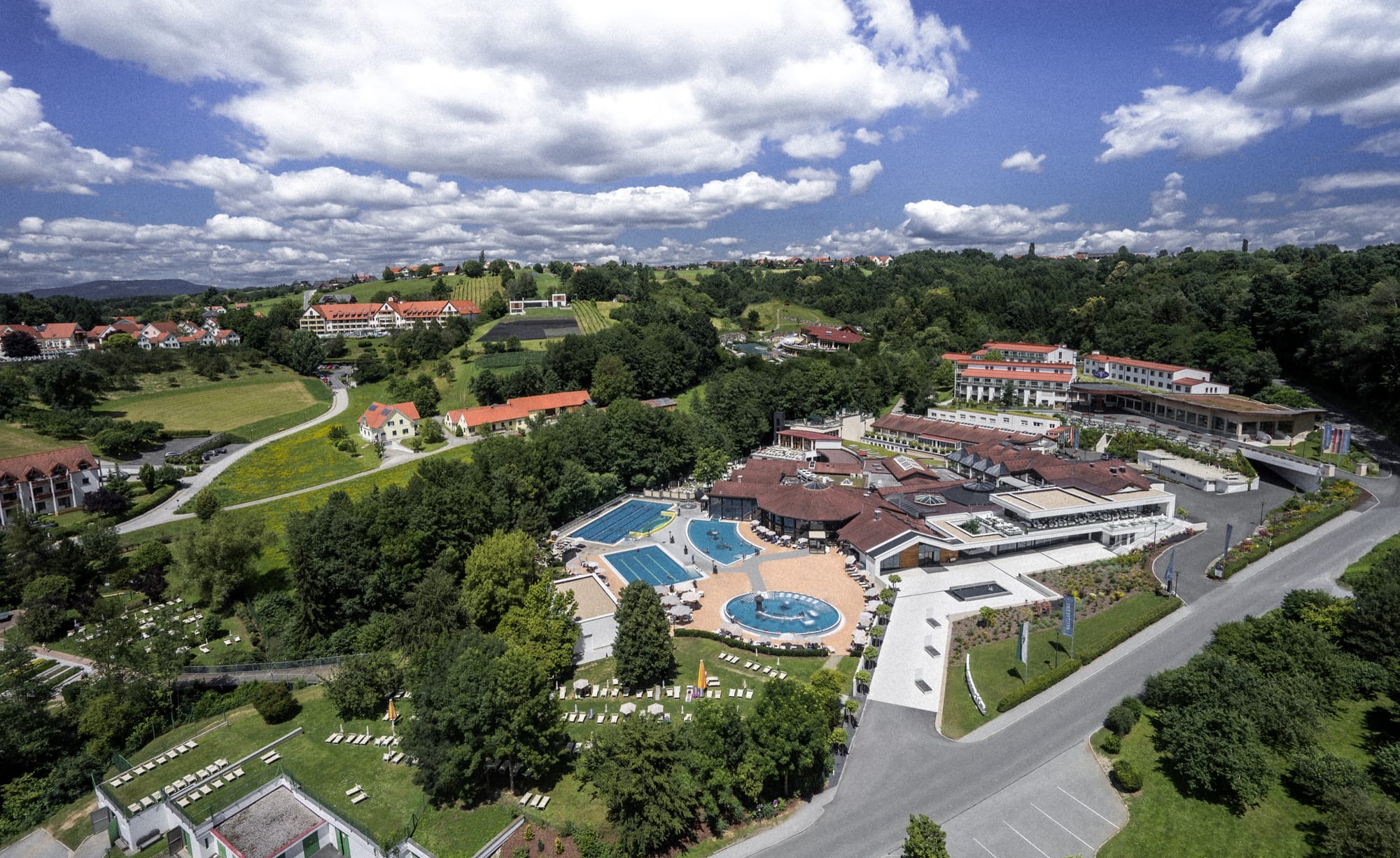
In working with coach operators and tour guides, the resort puts reliability first. “Reliable, straightforward cooperation and good personal service are at the heart of what we do,” she says. Clear arrangements and careful organisation are meant to ensure that tour operators and guests alike feel well looked after.
What has changed most is what groups expect. In her experience, the demand for quality, relaxation and varied experiences has risen markedly. Alongside thermal water and good food, shared outings are becoming more important, and the Thermen- und Vulkanland Steiermark region around the resort offers plenty of places to visit.
“Guests particularly appreciate the combination of relaxing at the resort and discovering the region.”
The bdo figures relate to Germany, but the view from across the border shows the same pattern: groups are looking not just for a bed for the night, but for a stay that rounds off the day. Hotels that factor in their surroundings are well placed.
When the hotel wants its rooms back
The greatest difficulty may have little to do with facilities at all. Instead, it lies in the relationship between hotels and tour operators, both of whom need certainty but do not always define it in the same way.
Understandably, hotels want to know as early as possible how many rooms a group will require. They therefore agree room allocations with tour operators, setting deadlines by which the rooms must be confirmed or released. This protects the hotel from holding accommodation out of general sale for too long when a group might never materialise.
For coach operators, however, the same arrangement can create serious difficulties. If travellers only commit to a trip shortly before departure, an initially generous room allocation is of little use once it has been released months earlier.
Johan Ohnesorge describes a recurring conflict. When a hotel requires a firm commitment three months before a journey begins, many potential passengers have not yet booked. Winter departures can be particularly difficult. Once an allocation has been returned, the operator must make fresh enquiries for additional rooms and hope sufficient availability remains.
“There have even been cases where trips had to be cancelled because the required number of participants could not be confirmed so far in advance.”
A hotel wants to sell rooms, a tour operator wants to bring guests, yet the trip may never take place.
The association therefore favours more flexible arrangements. Staggered release dates could allow part of a room allocation to return to general sale early, while a smaller number of rooms remains available for longer. Agreed booking deadlines and transparent cancellation terms could help balance the requirements of both businesses. This does not mean hotels should accept all the financial risk. It means recognising how customers actually book coach holidays and designing agreements that work for both parties.
The next challenge arrives with a charging cable
While hotels and tour operators continue to negotiate room allocations, another change is approaching. Electric touring coaches could eventually influence which hotels operators choose.
For now, charging infrastructure plays a relatively minor role in coach tourism compared with diesel. Johan Ohnesorge nevertheless expects electrification to become increasingly important in route planning. In future, choosing an overnight stop may depend not only on where passengers want to stay, but also on where their coach can recharge.
In his view, hotels will not necessarily need to install dedicated high-capacity charging facilities for heavy vehicles. An appropriately accessible car charging point could, in principle, also serve a coach. A 50-kilowatt charger can supply a substantial amount of energy overnight, although actual charging requirements depend on the vehicle, battery capacity and time available.
What matters most in hotel planning is that a large coach can physically reach the charging point. Operators also need a straightforward way to reserve it in advance, rather than discovering on arrival that the space is occupied. According to him, the bdo is preparing guidance for tourism businesses, which it intends to publish in 2027.
- Access: Suitable access for coaches and safe boarding and alighting, ideally right outside the hotel.
- Parking: Coach parking at the property or within easy reach.
- Evenings: A restaurant guests can use, a bar that is open or a comfortable communal area.
- Booking terms: Flexible release deadlines, staggered allocation releases and transparent cancellation terms.
- Future-readiness: A charging point that coaches can reach and, ideally, reserve in advance.
Not every hotel needs to become a group hotel
Despite the economic importance of coach tourism, accepting group bookings remains an individual business decision. A small boutique hotel with limited rooms, staffing constraints or difficult vehicle access faces very different circumstances from a larger holiday property with a restaurant and ample parking. Profitability also depends on the relationship between group rates, food and beverage revenue, staffing requirements and existing individual bookings.
Nevertheless, the bdo’s perspective suggests that hotels should not dismiss coach groups too quickly as an unattractive market. They can bring visitors to destinations that receive comparatively little benefit from conventional city breaks or international independent travel. Properties with suitable capacity and dependable evening facilities therefore have good reasons to explore the opportunities.
Perhaps the most useful starting point is neither a new group rate nor an elaborate marketing campaign. It is a conversation between hotelier and tour operator about how a journey is planned, when passengers make their bookings and what they need after arriving.
Because there can be a surprising amount of organisation between an available hotel room and a successful group stay.
This article draws on industry research, publications by the German Federal Association of Bus and Coach Operators and an original editorial interview.
-
German Federal Association of Bus and Coach Operators (2026)
Bustourismus sorgt für 14,5 Milliarden Euro Umsatz in Deutschland
Press release of 5 October 2026 on the study “Wirtschaftsfaktor Bustourismus in Deutschland” (Coach Tourism as an Economic Factor in Germany) by dwif for the bdo. Gross revenue from tourism by bus and coach, share of spending at destinations, overnight stays on domestic coach trips. Original publication in German. -
German Federal Association of Bus and Coach Operators (2026)
bdo-Konjunkturumfrage 2025/2026
Business survey, published 5 March 2026. Demand and business situation in coach tourism and occasional services. Original publication in German. -
German Federal Association of Bus and Coach Operators (2026)
Stellungnahme zur öffentlichen Anhörung „Bustouristik“ im Tourismusausschuss des Deutschen Bundestages
Position paper for the Bundestag Tourism Committee hearing on coach tourism, 7 October 2026. Results of the bdo industry survey of September 2026 on fuel costs, falling bookings and later bookings. Original publication in German.
Answers and quotations were translated from German by the eingecheckt® editorial team.


