How Strandhotel Dünenmeer redefined its identity – and why the value of fine dining can extend far beyond restaurant revenue.
One Michelin star for the restaurant, one Michelin Key for the hotel. Within just a few months, Strandhotel Dünenmeer in the Baltic Sea resort of Dierhagen received two of the Michelin Guide's most prestigious distinctions. Behind these achievements lies a business decision made long before either award was announced. Rather than simply modernising the property, the owners set out to give the hotel a clearer identity. At the heart of that strategy is a restaurant designed not merely to serve guests during their stay, but potentially to become the very reason they travel there in the first place.
When a Restaurant Moves – and Changes the Role of a Hotel
In March 2025, Strandhotel Dünenmeer reopened following an extensive renovation. Its restaurants had been redesigned, while the wellness facilities were expanded to include a sauna garden with a panoramic sauna. At the same time, the fine-dining restaurant Ostseelounge relocated from the neighbouring sister property, Strandhotel Fischland, to Dünenmeer.¹
What might initially appear to be a straightforward operational decision between two affiliated hotels was actually part of a much broader strategy.
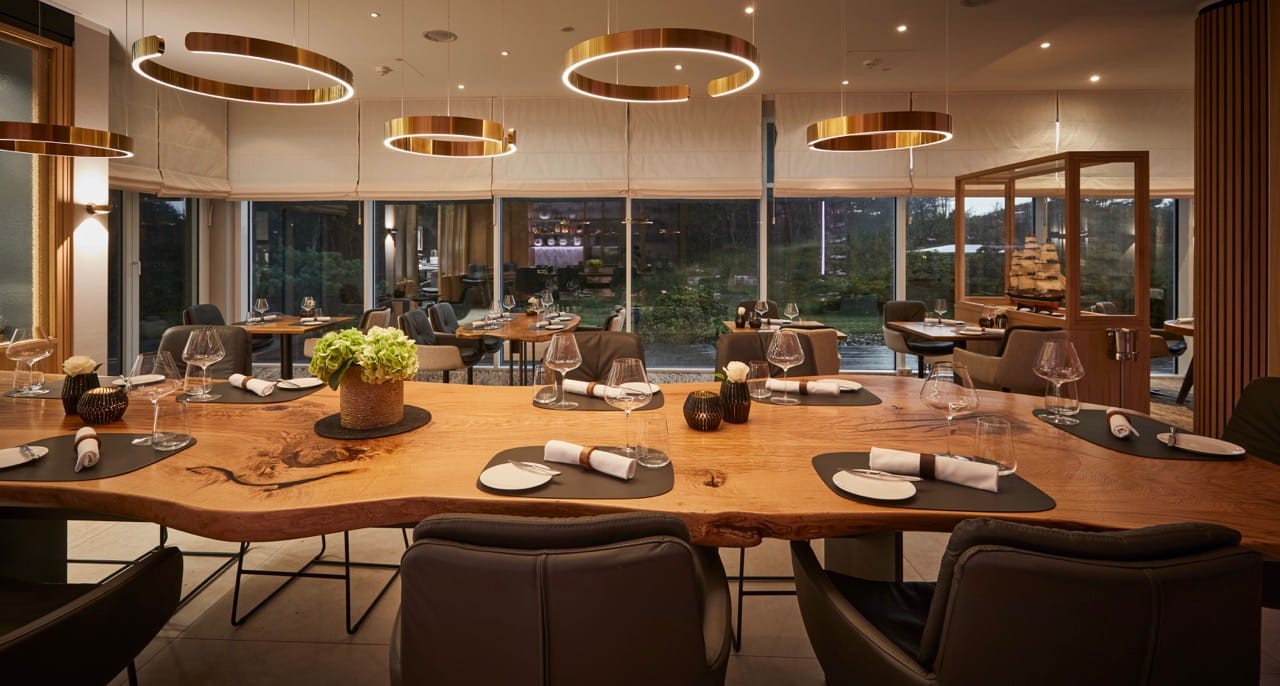
The intention was not simply for Ostseelounge to expand the hotel's dining options. It was to become an integral part of the property's identity.
"We wanted to create a place where sophisticated cuisine does not stand on its own, but becomes part of a holistic experience," the hotel's management explained in a written interview with eingecheckt.
The renovation offered an opportunity to provide the restaurant with surroundings that reflected its culinary philosophy: tranquillity, individuality, exceptional quality and an immediate connection to nature.
This also changed the role of gastronomy within the hotel. Dining was no longer intended to be merely one of the services available during a stay. It would become one of the reasons why guests consciously choose Dünenmeer.
Two Michelin Distinctions Within a Few Months
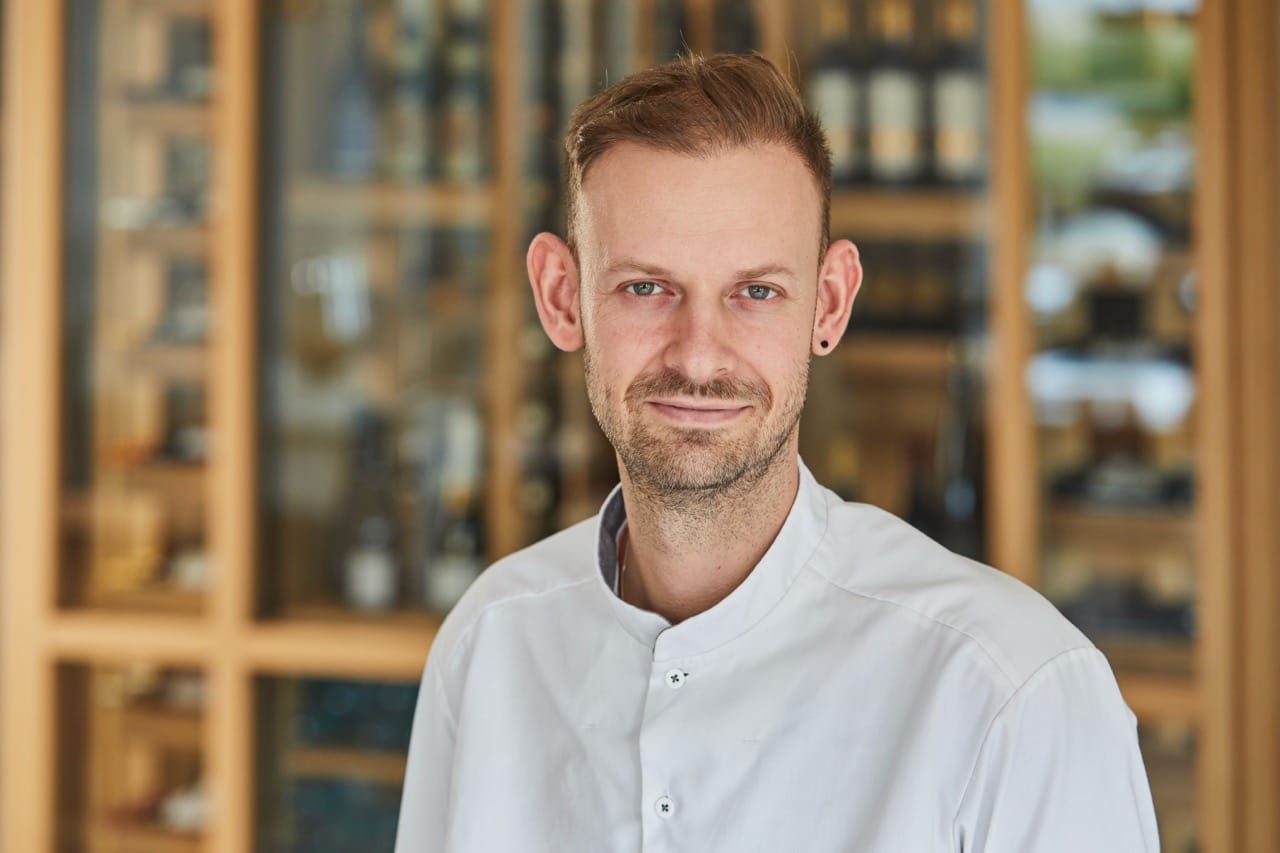
In July 2025, Christopher Huhnstock-Kerber took over culinary leadership at Ostseelounge. The chef brought experience from several renowned fine-dining establishments, including Memories at Switzerland's Grand Resort Bad Ragaz. His wife, Bettina Huhnstock-Kerber, assumed responsibility for service and wine pairing.¹
In June 2026, Ostseelounge was awarded a Michelin star.²
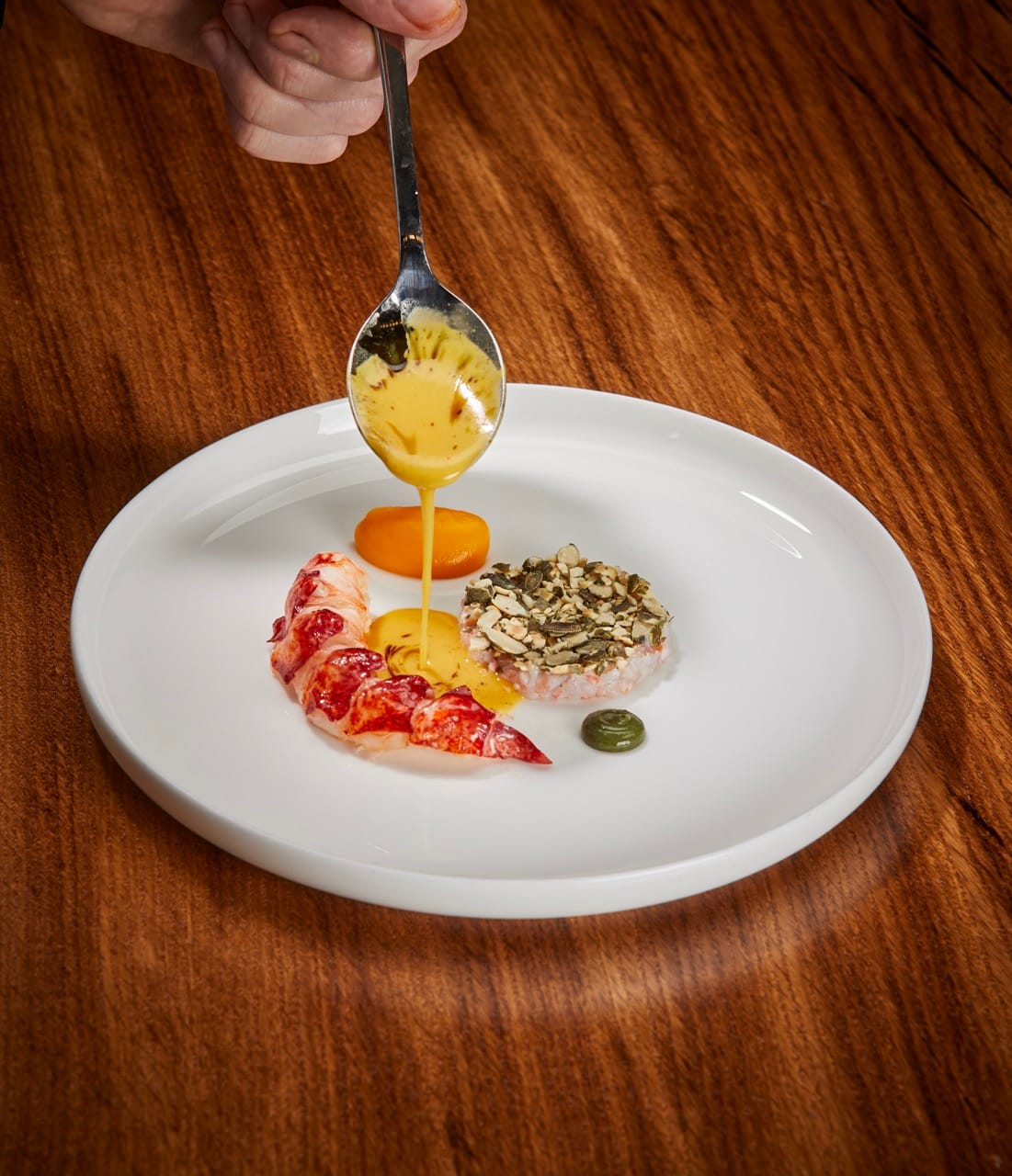
Just a few months later, in September 2026, Strandhotel Dünenmeer received another distinction. The Michelin Guide awarded the property one Michelin Key, making it one of ten hotels in Germany newly awarded a Key in 2026. The German selection that year comprised 87 One-Key hotels, 37 Two-Key hotels and six Three-Key hotels.³
The two distinctions, however, recognise different achievements.
While Michelin stars assess the quality of a restaurant's cooking, Michelin Keys evaluate the overall hotel experience. Inspectors consider aspects including architecture and interior design, service, character, value for money and the hotel's connection to its surroundings. Restaurant stars and hotel Keys are awarded through separate evaluation processes.⁴
The restaurant's Michelin star therefore did not automatically lead to the hotel's Michelin Key.
For Dünenmeer, however, both distinctions represent recognition of its strategic development.
According to the management team, the decisive factor is the way the hotel's different elements work together. The property does not want to be known exclusively for exceptional cuisine or an extensive wellness offering. Instead, these experiences are intended to complement one another and collectively shape the hotel's character.
Why Luxury Does Not Necessarily Mean Offering More
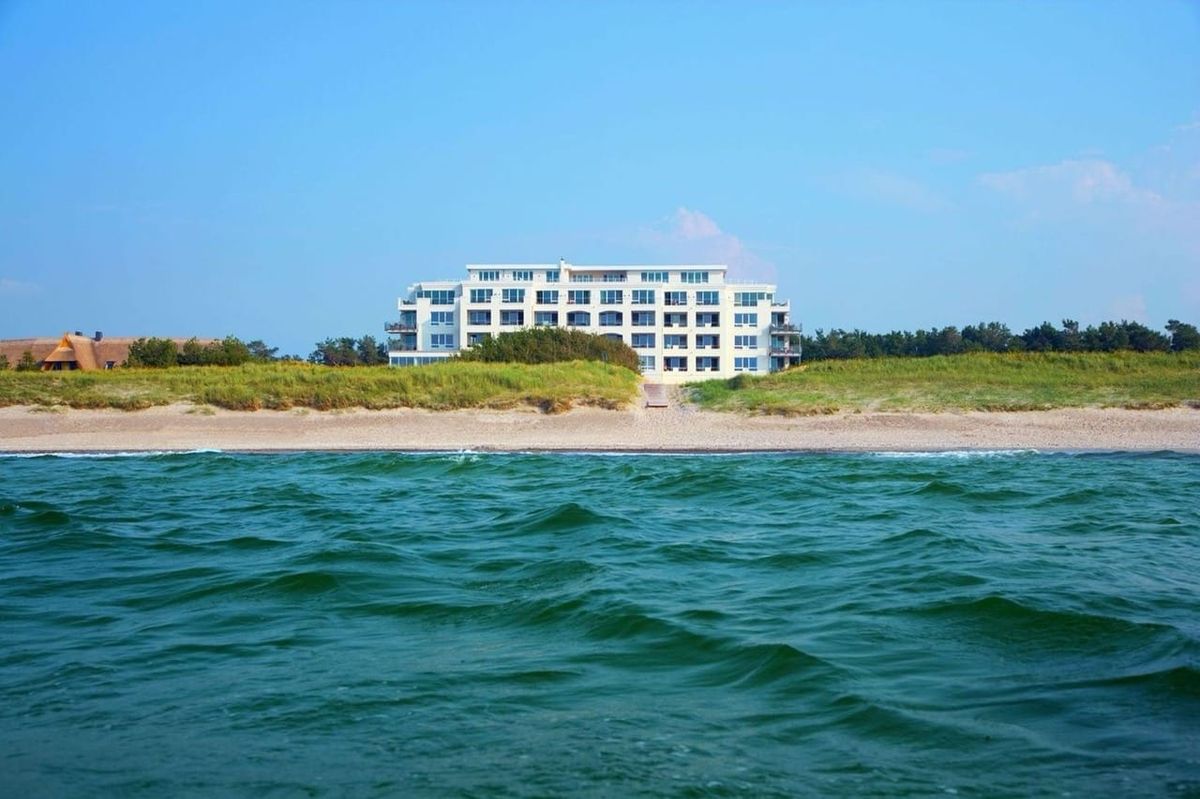
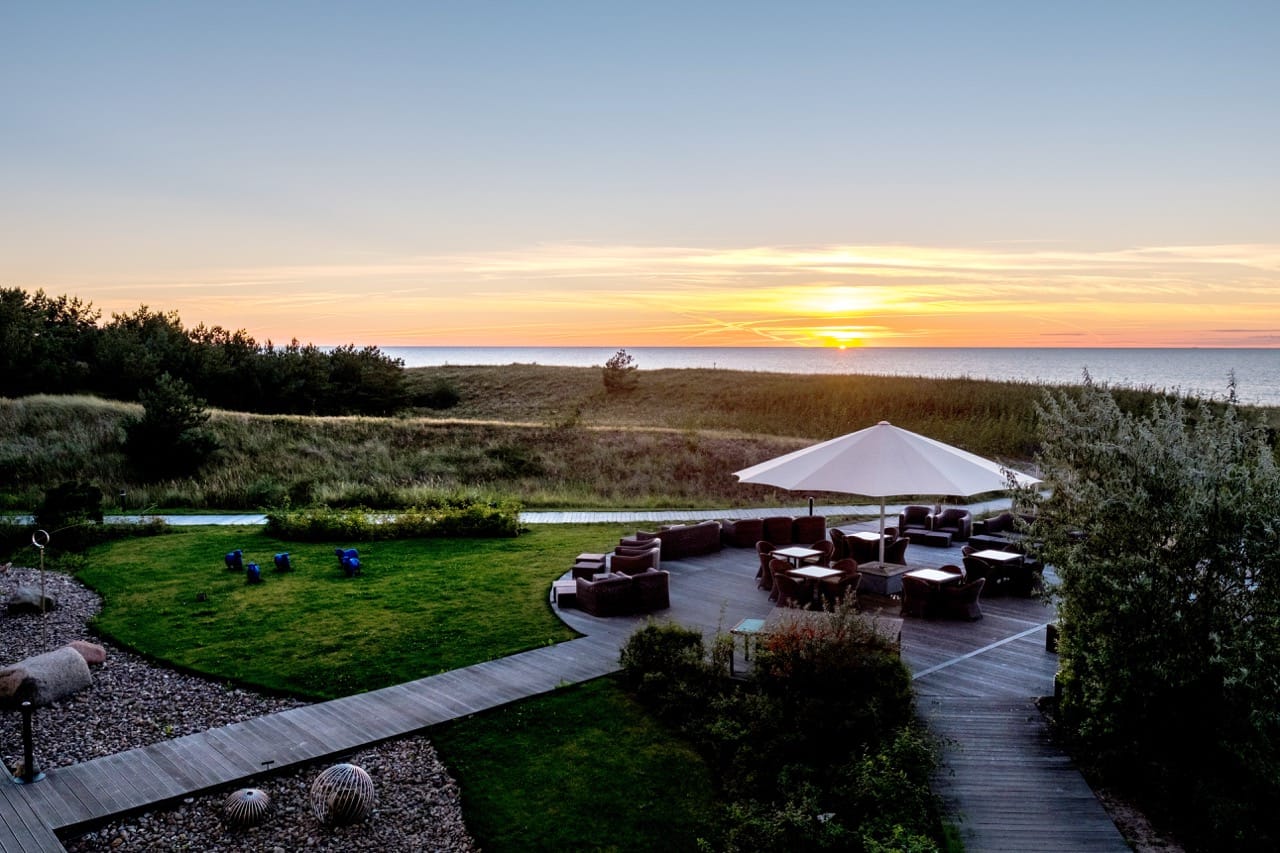
Strandhotel Dünenmeer positions itself as a retreat for adults. Its location between the Baltic Sea, coastal dunes and woodland plays a central role in this identity.
With Dünenmeer SPA, yoga, Ayurveda and regeneration programmes, selected works of art and sophisticated cuisine, the hotel appeals to guests seeking more than a conventional holiday.
The challenge lies not so much in the number of experiences offered, but in the way they are connected.
After all, a wellness area, a gourmet restaurant and a sculpture garden do not automatically add up to a convincing hotel concept.
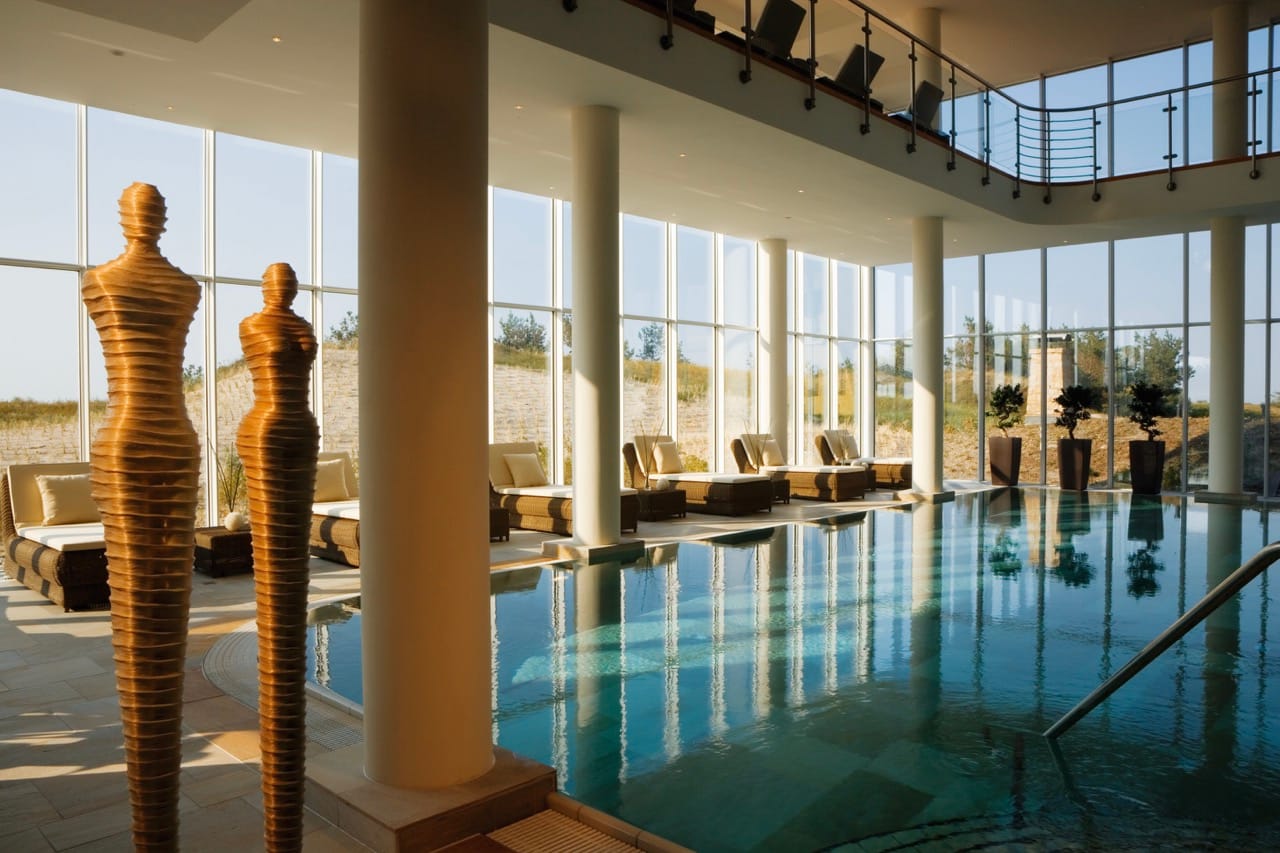
"Our aim is not simply to place as many different offerings as possible alongside one another," the management explains. Instead, each element should complement the others and contribute to a coherent overall experience.
One example is the Dünenmeer Art Garden, whose opening was announced for 2 May 2026. Works by artist Susanne Boerner are displayed around the Ostseelounge terrace. Her handcrafted figures, made from clay, wood and metal, connect art with the restaurant's immediate surroundings. Rather than creating a conventional exhibition space, the hotel aims to integrate nature, art and cuisine into a shared experience.⁵
A similar approach can be found in the cuisine.
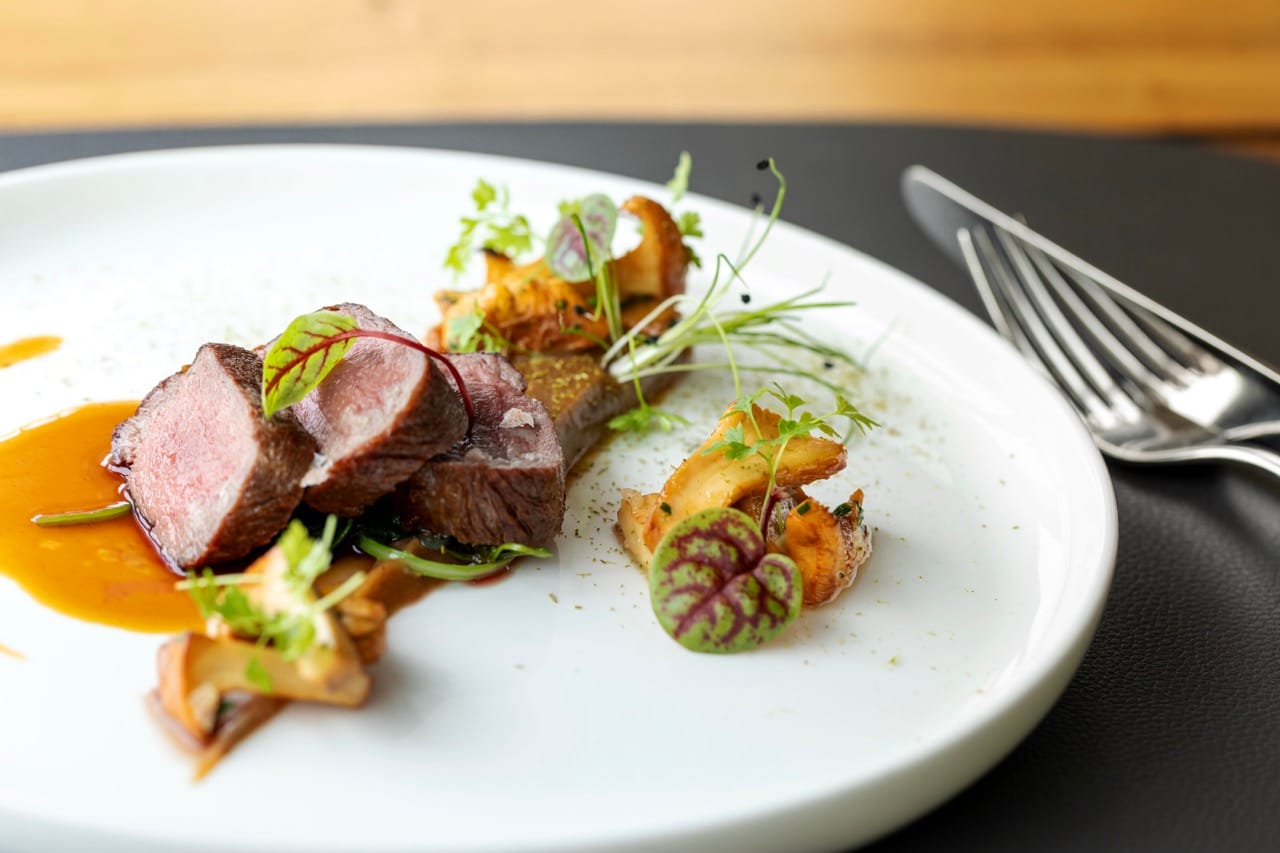
Ostseelounge specialises in modern seasonal cooking, predominantly using regional ingredients. In its restaurant review, the Michelin Guide highlights the clear composition of the dishes, their harmonious flavour combinations and the views of the dunes and sea through the floor-to-ceiling windows. Guests can choose between three-, five- and seven-course menus.⁵
The result is a connection between the restaurant and its surroundings that goes well beyond the view.
The hotel describes its understanding of luxury primarily in terms of time, tranquillity, individuality and moments that can be experienced with greater awareness.
For other hoteliers, this raises an interesting question: Does a high-quality hotel really need to keep adding new facilities, or might it make more commercial and conceptual sense to bring its existing strengths together more consistently?
Fine Dining as a Reason to Travel
The development of Strandhotel Dünenmeer becomes particularly interesting when viewed from a business perspective.
Traditionally, a hotel restaurant serves an obvious purpose: it provides food and beverages for overnight guests while generating additional revenue.
A fine-dining restaurant, however, can fulfil another role.
"With Ostseelounge, we create a reason to travel in its own right," the hotel's management explains.
In other words, guests may no longer book simply because they want to spend a few days on the Baltic Sea. They may deliberately choose the property because it combines exceptional cuisine, high-end hospitality and relaxation.
From a strategic perspective, that distinction can be significant.
The restaurant becomes part of the hotel's brand in its own right. It can attract attention beyond the local market, appeal to new guest segments and influence perceptions of the entire property.
Yet that kind of value cannot be measured solely through restaurant revenue.
Dünenmeer therefore explicitly considers Ostseelounge in a broader context than its immediate dining income. According to the management, the restaurant also contributes to the hotel's visibility, its ability to reach new guests and the long-term development of its brand.
This approach raises an important point for the wider hotel industry: Not every department's strategic value can be measured entirely by the revenue it generates directly.
Whether and to what extent these benefits translate into higher room rates, additional overnight stays or stronger occupancy cannot be determined from the information currently available.
The hotel reports increased interest following the renovation and Michelin distinctions but has not provided detailed financial or operating figures.
Why Fine Dining Is Also a Business Risk
As attractive as the combination of fine dining and luxury hospitality may appear, it comes with considerable demands.
Highly qualified kitchen and service teams, carefully selected ingredients, extensive preparation and consistently high standards cannot simply be scaled back without affecting the experience.
Fine dining is therefore not a positioning strategy that can be implemented merely by hiring a new chef or refurbishing a restaurant.
It also operates within an economic environment that is placing pressure on many hospitality businesses.
According to preliminary results published by Germany's Federal Statistical Office, price-adjusted revenue in the German hospitality industry declined by 2.1 percent in 2025 compared with the previous year. Restaurants and food-service businesses recorded a real decline of 2.2 percent, while accommodation businesses saw a decrease of 2.0 percent.⁷
These industry figures do not provide any direct indication of Strandhotel Dünenmeer's financial performance. They do, however, illustrate the challenging environment in which hotels are making decisions about investment, staffing and quality.
The hotel itself therefore describes fine dining not as a short-term marketing initiative, but as a long-term business decision.
That assessment also highlights an important limitation of the concept.
A Michelin star brings recognition and attention. It does not guarantee that a restaurant is profitable or that the investment required to maintain its standards will generate a quick return.
What ultimately matters is the role the restaurant plays within the wider business model, and whether its direct and indirect benefits justify the costs over time.
For Dünenmeer, Ostseelounge has become a defining element of its competitive positioning.
Behind the Awards Are People
When hotels undergo major renovations, attention often centres on the most visible changes: redesigned rooms, new restaurants, wellness facilities or distinctive architecture.
The people responsible for delivering these experiences every day tend to receive less attention.
Strandhotel Dünenmeer therefore emphasises that its transformation has been a collective achievement.
From the owning family and hotel management to the kitchen and service teams, spa, housekeeping and reception, numerous departments have contributed to the property's development.
This is also where one of the fundamental differences between a one-off investment and a sustainable hotel concept becomes apparent.
A redesigned lobby can be unveiled. A panoramic sauna can be opened. A restaurant can be fitted with an entirely new kitchen.
Whether these investments translate into a convincing guest experience, however, is decided through day-to-day operations.
That applies just as much to the first welcome at reception as it does to room cleanliness, the organisation of restaurant service or the way individual guest requests are handled.
At Ostseelounge, Christopher and Bettina Huhnstock-Kerber have distinct responsibilities. While he shapes the culinary direction, she oversees service and wine pairing.
Yet neither could deliver the same experience without the wider team around them.
"Awards recognise outstanding achievements. But those achievements are always made possible by people," the hotel's management points out.
For the hospitality industry as a whole, this is a valuable reminder.
The quality of a hotel is not created exclusively in the places that later receive awards or attract the most attention.
Attracting New Guests Without Losing Existing Ones
Every significant repositioning raises another question: What happens to the guests who were already there?
People who have visited a hotel for many years associate it with certain expectations. Changes can generate excitement, but they can also create uncertainty.
With its new concept, Dünenmeer aims to appeal to guests specifically looking for high-quality retreats and exceptional culinary experiences.
According to the management, interest in both the hotel and Ostseelounge has increased since the renovation and Michelin awards.
At the same time, the hotel reports that its long-standing guests have responded positively to the changes.
No detailed figures have been provided to support these observations. It therefore remains unclear how significantly the composition of the guest base, average length of stay or booking volumes may have changed.
Nevertheless, the hotel's objective is clear: attract new audiences without sacrificing the personal atmosphere and relationships with returning guests.
This is a challenge that extends far beyond luxury hospitality.
Ultimately, every repositioning needs to answer two questions: Who does the hotel want to attract in the future, and what should remain unchanged for the guests who already value it?
Strandhotel Dünenmeer
Check current rates and availability directly on Booking.com.
Check Availability & Rates
What Other Hoteliers Can Learn from Dünenmeer
The development of Strandhotel Dünenmeer cannot simply be replicated elsewhere.
A small city hotel, a family-run guesthouse or a traditional conference hotel will have different resources, operating conditions and target audiences.
And, of course, not every property needs a gourmet restaurant, an extensive spa or a Michelin Key.
The more interesting lesson lies in the underlying business decision.
Rather than attempting to attract ever more guest segments by continuously adding new facilities, Dünenmeer has developed a particular idea of what a stay at the hotel should feel like.
Cuisine, wellness, nature, art and service are intended to function not as separate offerings, but as elements of a recognisable identity.
That raises several questions for other hotel operators.
Which parts of a property genuinely make it distinctive? Which services do guests use simply because they are available, and which might become a reason to book in their own right? And how can a hotel develop a clearer position in the market without losing the character that existing guests appreciate?
The answers will inevitably differ from one business to another.
Dünenmeer's management encourages fellow hoteliers to identify their own strengths, develop a clear understanding of their property's identity and pursue that direction consistently.
Doing so also requires the courage to question established structures and make decisions whose success may not be immediately measurable.
Success Begins Long Before an Award
For Strandhotel Dünenmeer, 2026 has undoubtedly been a remarkable year.
The Michelin star awarded to Ostseelounge and the Michelin Key received by the hotel are two highly visible outcomes of a development process that began well before either distinction was announced.
Whether this strategy will also deliver lasting financial success can only be assessed over a longer period and with reliable business figures.
Regardless of the outcome, the example illustrates how much stronger a hotel's identity can become when its individual services and experiences are guided by a common idea.
The gourmet restaurant is no longer simply somewhere to have dinner. The wellness area is no longer merely another amenity. And the exceptional location becomes more than a selling point in the hotel description.
Ideally, these elements combine to create an experience that guests consciously choose.
Perhaps that is the most important lesson of this story.
A hotel does not become distinctive simply by offering more. It becomes distinctive when everything it offers comes together to create something guests cannot experience in quite the same way anywhere else.
This article draws on official hotel press releases, Michelin Guide publications, preliminary German federal statistics and original editorial research.
-
Strandhotel Dünenmeer – Press Information (2025)
Hotel reopening, repositioning and the appointment of head chef Christopher Huhnstock-Kerber. The relocation of Ostseelounge from sister hotel Strandhotel Fischland is documented on the hotel's official 2025 renovation page . -
Michelin Guide (2026)
New Michelin Stars – Germany 2026. Published on 23 June 2026. -
Michelin Guide (2026)
All Michelin Key Hotels in Germany. Selection published on 18 September 2026. A total of 87 One-Key hotels, including ten newly awarded properties. -
Michelin Guide (2026)
All You Need to Know About the Michelin Key. Hotel evaluation criteria and independent assessment of hotel Keys and restaurant stars. -
Strandhotel Dünenmeer (2026)
Official press release announcing the opening of the Dünenmeer Art Garden on 2 May 2026, featuring works by artist Susanne Boerner. -
Michelin Guide – Ostseelounge
Independent restaurant assessment, culinary concept and menu information. -
Federal Statistical Office of Germany (2026)
Real revenue in Germany's hospitality industry declined by 2.1 percent in 2025. Preliminary results, press release No. 054, published on 19 February 2026.