


Key points
- MAISON HORNBERG in Saanenmöser near Gstaad closes from 2 to 20 November 2026. The break is used for renovation, training and preparation.
- Around four years ago, Brigitte & Christian Hoefliger - von Siebenthal considered opening all year round and let their team choose. The team opted to keep the shared closure holidays: two weeks in November and four in April.
- The fixed holidays make staff scheduling during the season simpler and fairer.
- Other hotels take different routes: closing for a rebuild, opening on fewer days or creating special offers for November.
Many holiday hotels grow quieter in November. Some even close completely for a few weeks. At MAISON HORNBERG in Switzerland, that break comes with a surprising story about holiday planning, what staff really want, and two hosts who discovered one day that their team thought quite differently from them.
Brigitte & Christian Hoefliger - von Siebenthal were fairly sure how things would turn out. Around four years ago, the hosts of MAISON HORNBERG in Saanenmöser near Gstaad invited about 20 of their employees to a joint meeting. The hotel had always opened seasonally, and now opening all year round was on the table. That raised a question that can quickly spark debate in any hotel: when should staff actually be allowed to take their holidays?
There were two models to choose from. Either the hotel would keep its shared closure holidays: two weeks in November and four consecutive weeks in April. Or it would open all year, with employees spreading their leave individually across the year. The hosts fully expected their team to opt for planning their holidays individually.
They were wrong. The employees came out clearly in favour of the shared closure holidays – and were even grateful for the opportunity. The four consecutive weeks off in spring in particular are valued as a real privilege. After all, such a long break is not easy to arrange everywhere in hospitality. On top of that came the certainty of knowing well in advance when they would be off.
Instead of opening all year round, the hotel kept its seasonal break, a working model that has proved its worth at MAISON HORNBERG ever since.
A hotel without guests is far from a quiet house
Anyone travelling to Saanenmöser in November may temporarily find the hotel doors closed. From 2 to 20 November 2026 inclusive, the four-star superior hotel takes a break, reopening on 21 November.¹ Between the summer hiking season and the start of winter, the house is prepared for the months ahead. For guests, that means waiting until it reopens. Behind the scenes, however, the picture is quite different.
“At MAISON HORNBERG, a seasonal closure doesn’t necessarily mean the whole house falls quiet – quite the opposite!” say Brigitte & Christian Hoefliger - von Siebenthal.
Where guests would normally be on holiday, renovation and maintenance work can now take place that would be difficult to organise while the hotel is open. The reception team does not simply take three weeks off either. It continues to handle organisational tasks, deals with the work that comes up and prepares for the next season. Other employees review operating procedures or take part in training and safety briefings.
The break therefore offers a rare chance to deal with things for which there is often little time between arrivals, departures, breakfast service and guests’ daily needs.
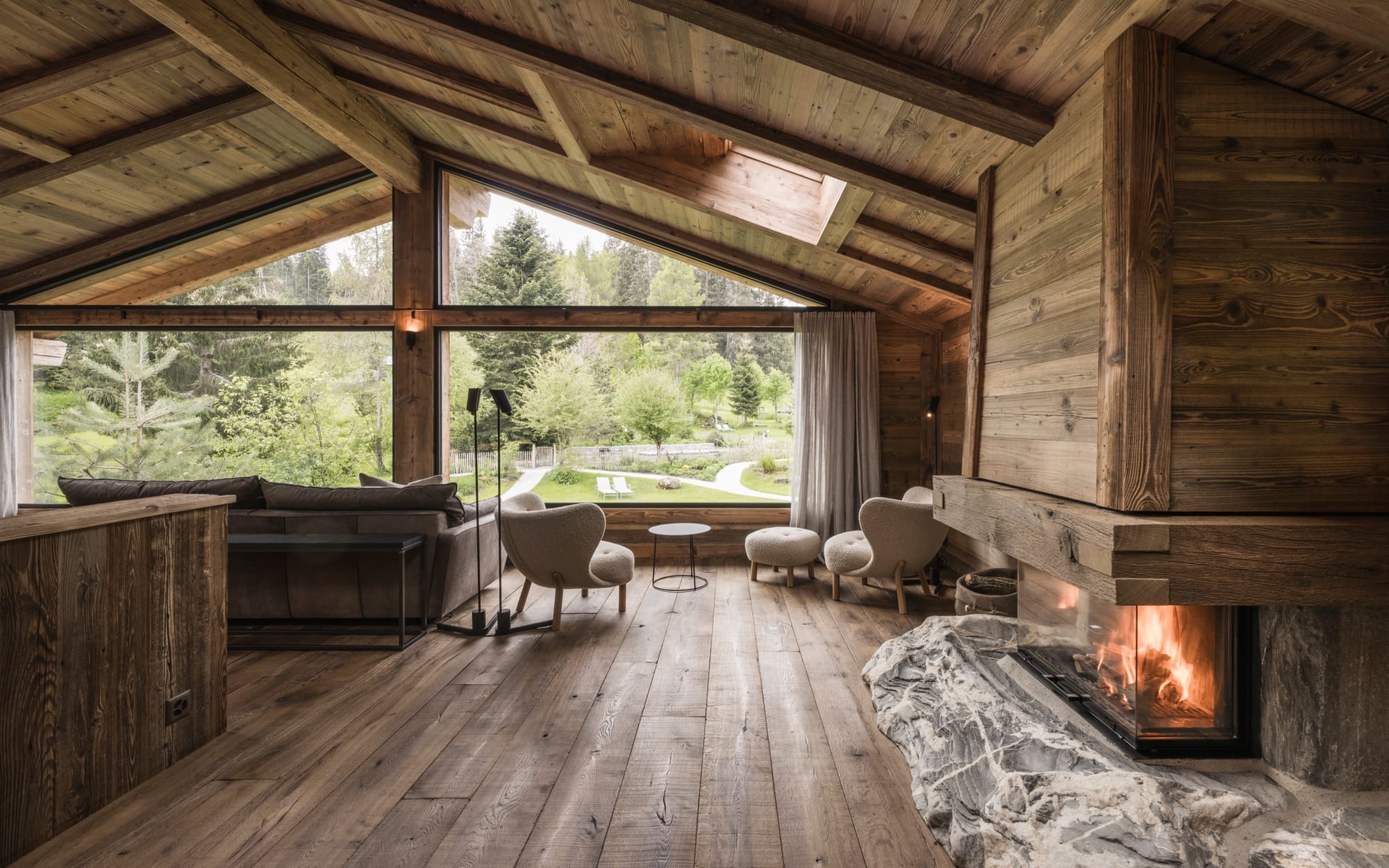
“Our aim is to keep renewing our house a little at a time without losing its special character,” the hosts explain. Regular guests should still feel at home after many years, yet discover something new each time they return.
November – a difficult month between two holiday worlds
For many holiday hotels, late autumn is a special time. The summer season is over, and in many places it is still too early for winter. While business travellers, events and conferences can keep demand relatively steady in cities, traditional holiday properties have to contend more with seasonal swings in occupancy.
The economic problem is easy to grasp: a hotel incurs considerable costs even when only a few guests are staying. Buildings must be maintained, technical systems kept running and numerous operational obligations met. Whether full operation pays off in such weeks is something each hotel has to calculate for itself. For some, closing temporarily is cheaper. Others try to attract additional guests with special offers.
Figures from the Baltic coast of Schleswig-Holstein show that November is by no means insignificant for tourism everywhere. According to the 2025 annual report of Ostsee-Holstein-Tourismus e. V., the months of January, February, November and December accounted for 13.2 per cent of annual overnight stays in 2013. By 2025, that share had risen to 14.3 per cent. At the same time, the share of the summer months from June to August fell from 49.1 to 44.9 per cent.²
The changes are not spectacular, but they point to demand slowly spreading more evenly across the year. How November alone has developed cannot be read from these figures. Even so, hotels face an interesting situation: while some are considering a longer opening season, others deliberately use the quieter weeks for a break.
Shared holidays make staff scheduling easier
Back to the Bernese Oberland, where the employees’ decision has long had practical consequences for everyday work. For the two hosts, shared holidays are not just a matter of rest. They also make it easier to organise the hotel during the busiest travel periods.
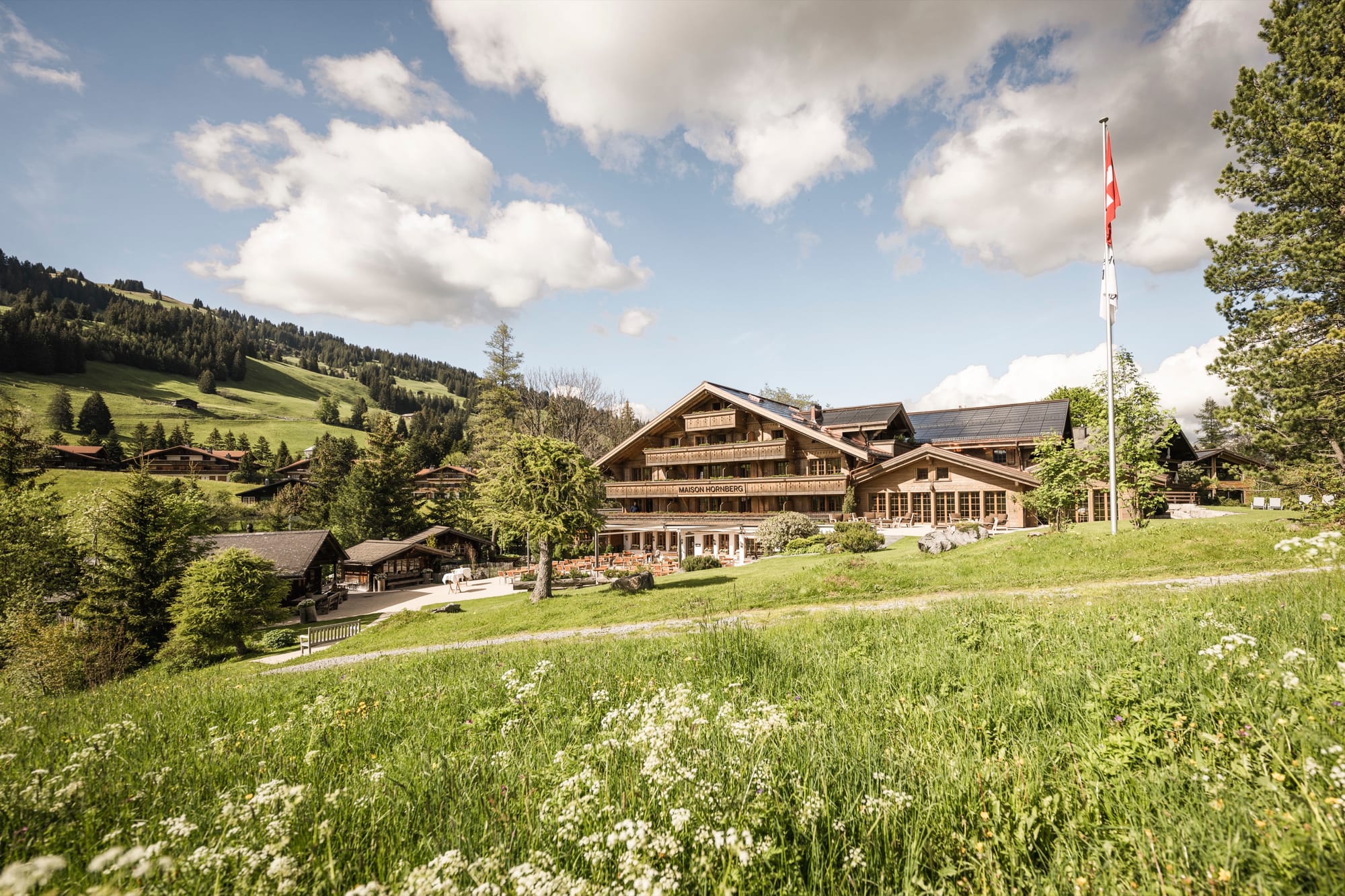
“During our active seasons, we can plan staffing much more easily and fairly,” they say. Because the longer holiday periods are planned together, potential disagreements over who gets which time off can be avoided early on. For a house in which the various departments have to work closely together, that can be a considerable organisational relief.
Even so, the model remains a balancing act. A hotel also needs people to take on certain tasks during the closure. Time off is therefore planned well in advance together with the team. Employees’ wishes for rest are to be taken into account just as much as operational needs.
The fact that the employees themselves preferred this way of planning holidays gives the story particular significance. In an industry that has been debating staff shortages, working conditions and work-life balance for years, it highlights an interesting point: what employers consider especially flexible does not necessarily match what their staff actually want.
Some hotels close. Others make November worth the trip.
Three examples show how differently hotels deal with the quieter months.
In Oberwiesenthal in Saxony, the Fichtelberghaus has been undergoing extensive modernisation since March 2026. The accommodation has closed for the work, while the Erzgebirgsstuben restaurant remains open. The hotel, modernised to four-star standard, is due to reopen in December 2026.³ Here, the closure is used for a structural reinvention that goes well beyond routine maintenance.
Schweizerhof Flims in Graubünden takes a different approach. The hotel keeps regular opening hours during the main season but scales back at times in the pre-season. Between the end of October and early December, its doors stay closed at the start of the week. Individual arrangements are still possible for seminars or retreats.⁴ The hotel thus responds to seasonal demand without withdrawing from the market entirely for several weeks.
On the North Sea island of Spiekeroog, by contrast, November becomes a reason to travel. Hotel Inselfriede is offering a yoga retreat with breathing exercises and yin yoga from 15 to 21 November 2026.⁵ It is part of a tourism programme that puts the spotlight on the island’s quieter months.⁶ Long after the summer bathing season is over, the special atmosphere, the peace and the chance to withdraw can appeal to other groups of guests.
All three examples show that a weaker season does not necessarily lead to the same operational response. One hotel needs time for a rebuild, another adjusts its opening days, while a third sets out to create additional demand.
There is no single right way
Brigitte & Christian Hoefliger - von Siebenthal would hardly recommend that other hoteliers simply follow their example. They expressly stress how different the needs, structures and challenges of individual hotels are. What works at MAISON HORNBERG may be entirely unsuitable for another business.
“Ultimately, for us there is no right or wrong,” they say. What matters, they add, is that the chosen solution suits both the business and the people behind it. For them, the satisfaction of their employees and the quality of hospitality go hand in hand. After all, it is not beautiful rooms alone that make a hotel stay special, but above all the people who look after the guests.
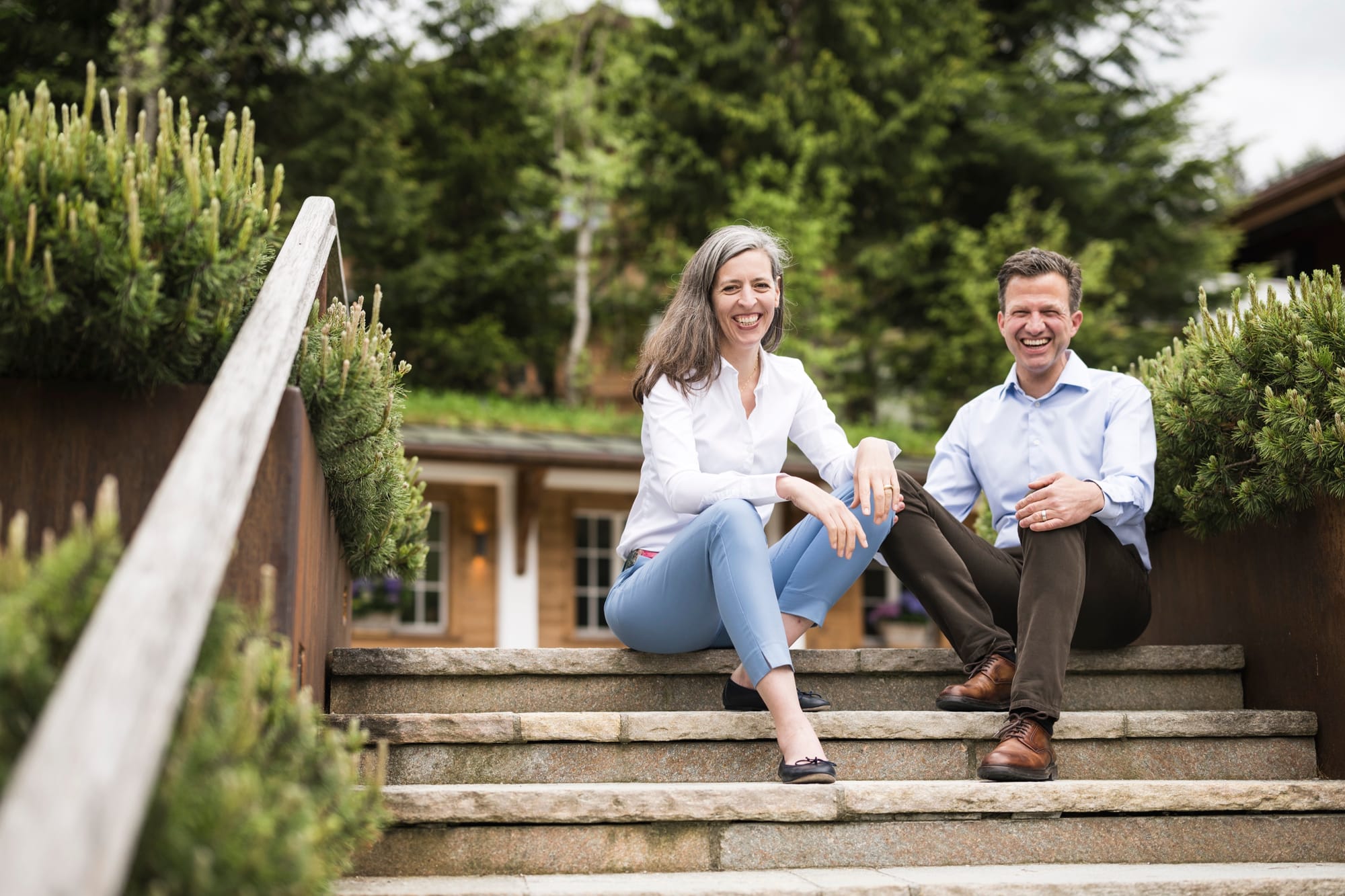
In November, MAISON HORNBERG does without overnight guests for a while. Part of the team enjoys its holidays, while others prepare the house for the return of hotel operations. And when the doors reopen on 21 November, it is not only the rooms and facilities that should be ready, but also the people who make guests’ stays enjoyable.
- Renovation and maintenance: Work on the building and furnishings that is hard to carry out while guests are staying.
- Reception: Ongoing organisational tasks and preparations for the next season.
- Operations: Reviewing procedures and preparing for the reopening.
- Training: General staff training and safety briefings for the team.
- Staff planning: Agreeing holidays early and balancing operational tasks with employees’ time off.
This article draws on an original written interview, official hotel information, a tourism annual report and an industry news report. As of 9 November 2026.
-
MAISON HORNBERG (2026)
MAISON HORNBERG – 4 Sterne Superior Hotel im Chalet-Stil
Official hotel website, accessed 9 November 2026. Seasonal closure from 2 to 20 November 2026 inclusive, reopening on 21 November 2026. Original publication in German. -
Ostsee-Holstein-Tourismus e. V. (2026)
Geschäftsbericht 2025 (Annual Report 2025)
Annual report, page 2. Seasonal distribution of overnight stays in the Baltic Sea holiday region, 2013 compared with 2025. Original publication in German. -
Tageskarte (2026)
Hotel im Fichtelberghaus wird bis Dezember 2026 modernisiert
News report, 15 June 2026. Hotel closed since 1 March 2026, Erzgebirgsstuben restaurant remains open, reopening to four-star standard in December 2026. Original publication in German. -
Schweizerhof Flims (2026)
Schweizerhof Flims
Official hotel website, accessed 9 November 2026. Opening times in the pre-season, seminars and retreats on request. Original publication in German. -
Hotel Inselfriede Spiekeroog (2026)
Wellness-Arrangements: Yoga-Auszeit „Atemessentials & Yin“
Offer page, accessed 9 November 2026. Yoga week with breathing exercises and yin yoga from 15 to 21 November 2026. Original publication in German. -
Nordseebad Spiekeroog (2026)
Zeit für Dich (Time for You)
Tourism offer page. The island’s offers for autumn and winter 2026. Original publication in German.


