

Key points
- MY MAYR MED Resort in Bad Birnbach is adding longevity programmes, its own nutrition concept and a cold chamber down to minus 110 degrees to F.X. Mayr medicine.
- The goal is not to turn back the clock but a longer healthspan: staying mobile, fit and independent for as long as possible.
- Guests only receive the tests that suit them. The stay ends with a personal plan they can follow at home.
- New short stays of two to three days are available, even without a mandatory medical programme.
Cryotherapy at minus 110 degrees Celsius, medical diagnostics, a dedicated longevity nutrition concept and personalised health plans: MY MAYR MED Resort in Bad Birnbach is expanding its approach to preventive health. Yet behind the technology lies a surprisingly down-to-earth idea. The aim is not to promise eternal youth, but to help people remain active, capable and independent for as many years as possible – and to leave the resort with changes they can realistically continue at home.
Talk about longevity today and it rarely takes long before technology enters the conversation. Biological age, body scans, wearables, cryotherapy and increasingly sophisticated diagnostics have become part of a rapidly growing health and wellness landscape. The trend has also reached hospitality, where some wellness resorts are moving beyond the traditional combination of spa treatments, relaxation and healthy food towards more individualised forms of prevention and medically supported health programmes.
MY MAYR MED Resort in Bad Birnbach, Lower Bavaria, offers a particularly interesting example of that development. The property, traditionally shaped by modern F. X. Mayr medicine, has expanded its concept with dedicated longevity programmes, a new nutrition approach and a whole-body cryotherapy chamber reaching temperatures of minus 110 degrees Celsius. At the same time, the resort is opening its doors more deliberately to guests who cannot or do not want to spend several weeks on a traditional health retreat, but would still like to devote two or three days to their wellbeing.
What may initially look like two separate developments is, for MY MAYR MED, part of the same idea: health travel needs to become more individual – and more compatible with the realities of everyday life.
Not simply living longer, but staying healthy for longer
When MY MAYR MED is asked what longevity actually means, the answer does not begin with a number. There is no promised age, no claim of turning the clock back by ten years and no formula for eternal youth.
Instead, the resort focuses on healthspan: maintaining physical and mental performance, mobility and quality of life for as many years as possible. This reflects a wider shift that extends far beyond individual health resorts. In its 2026 trends, the Global Wellness Institute describes a move away from classic anti-ageing narratives towards healthspan, functional ability, mobility and independence.¹
The questions guests bring to the resort have changed accordingly. Relaxation remains important, but people are increasingly interested in understanding their own health more clearly: Why do I feel less capable than I used to? How can I preserve muscle strength? What role do nutrition, sleep and stress play? And what can I do today to remain active and independent ten or twenty years from now?
MY MAYR MED describes this as a change in perspective – from a temporary break towards a more conscious approach to long-term health. Interestingly, that does not mean trying to fit as many tests and treatments as possible into a stay. The resort says the aim is to identify sensible steps that suit the individual guest.
The F. X. Mayr cure gains company
That does not mean the resort is abandoning its established philosophy. Modern F. X. Mayr medicine remains an important part of the house, with its focus on nutrition, digestion, eating habits and regeneration. The longevity concept broadens that perspective to include areas such as muscle health, endurance, metabolism, sleep and stress regulation.
The result is a different way of thinking about the traditional health retreat. No single treatment or technology necessarily sits at the centre. Instead, the resort aims to combine a range of elements into one personalised programme.
A longevity stay begins with a medical consultation and examination. Existing complaints, previous conditions, medication, lifestyle and personal goals are taken into account before any further diagnostics are selected. These may include body composition analysis using bioelectrical impedance measurements, a 3D body scan, hand-grip strength tests and a chair-rise test. Heart-rate variability and cardiorespiratory fitness can also be assessed, while laboratory tests and additional diagnostics are selected according to the individual question.
One principle is particularly important to the resort:
Not every guest needs every examination.
That distinction matters. MY MAYR MED does not present longevity as a package in which more technology automatically means better care. The emphasis is on what can genuinely be learned from the information collected – and what useful steps can follow from it.
A number alone does not change everyday life
Even when it comes to a term as attention-grabbing as “biological age”, MY MAYR MED takes a measured view. The resort describes such values as model-based indicators rather than precise measurements of the actual age of every organ in the body.
The more important question is what happens afterwards.
A stay therefore concludes with a final consultation and an individual plan for everyday life. A guest might discover that greater attention should be paid to muscle strength, endurance, sleep or meal structure. The objective is not to transform every habit within a few days. Recommendations are intended to be realistic enough to continue once the guest returns home.
That approach reflects a wider direction in longevity travel. The Global Wellness Institute includes “Longevity Travel – Credibility Matters” among its ten wellness tourism trends for 2026. The trend highlights growing demand for evidence-led approaches, credible medical expertise and practical plans that continue beyond the stay itself. The emphasis, according to the institute, is increasingly less on anti-ageing promises and more on healthspan.²
That idea runs throughout the MY MAYR MED concept.
Minus 110 degrees – but not as a miracle treatment
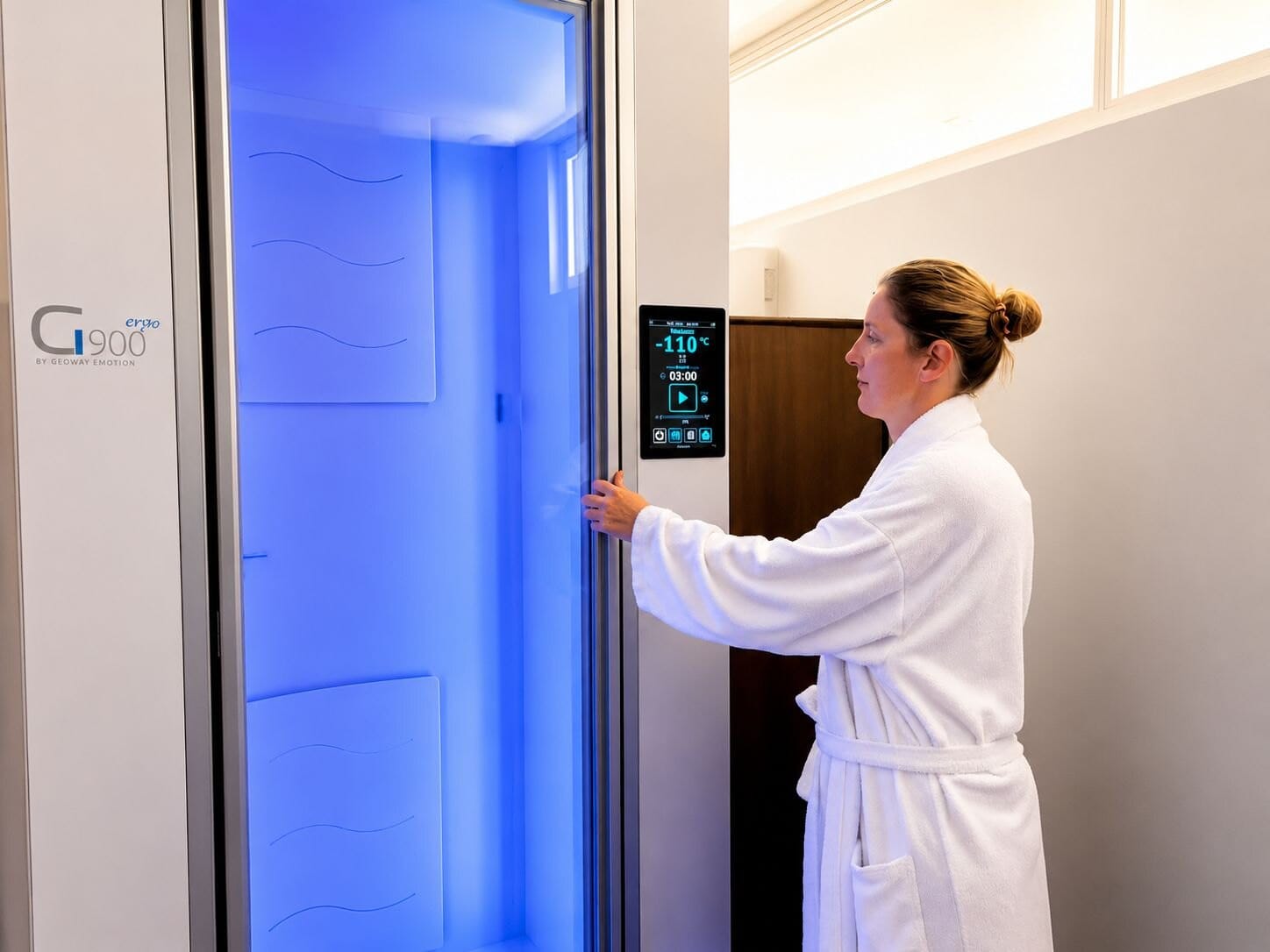
The most striking addition to the resort is nevertheless likely to be the cryotherapy chamber. During whole-body cryotherapy, guests are exposed for a short period to temperatures as low as minus 110 degrees Celsius. The facility is available both to hotel guests and to external visitors.
What is interesting is the way MY MAYR MED itself talks about the treatment. Rather than making cryotherapy the centrepiece of its longevity concept, the resort explicitly describes it as an additional measure.
The focus is on possible short-term effects on pain perception, subjective recovery and general wellbeing. At the same time, the resort draws clear boundaries. Cryotherapy does not replace exercise, a balanced diet or the treatment of illness. Nor does MY MAYR MED claim that it can extend life, “detoxify” the body or produce lasting weight loss.
That may sound less spectacular than some claims associated with the longevity market. For a medically oriented health resort, however, restraint can become part of its credibility.
The resort's underlying philosophy remains comparatively straightforward: nutrition, regular physical activity, muscle training and the management of relevant health risks form the foundation. Technical applications can supplement those basics where appropriate, but should not replace them.
Safety is also part of the process. Medical suitability is assessed before cryotherapy, including blood-pressure checks and professional instruction, and the treatment is not suitable for everyone.
Longevity also reaches the dining table
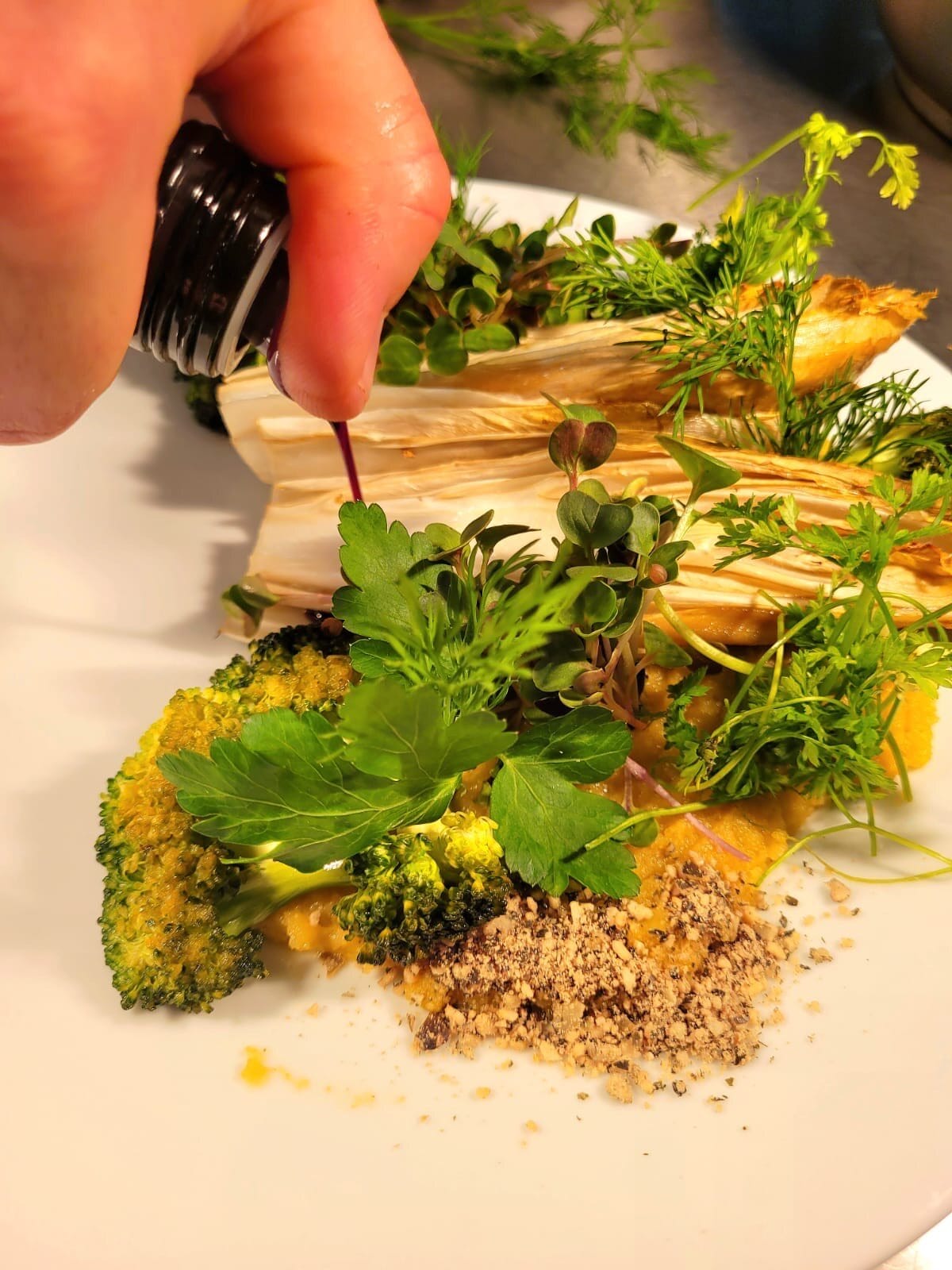
The longevity concept does not stop at the consulting room. Another important part of the resort's new approach is MY Longevity Nutrition.
It is not intended as a short-term diet, but as an eating principle that guests should be able to carry into daily life. The resort describes the food as light, nutrient-rich and designed with an anti-inflammatory approach. High-quality ingredients, careful selection and gentle preparation are intended to combine enjoyment with nutritional purpose.
Again, the thinking goes beyond what happens during the stay itself.
For hospitality, this is particularly interesting because the restaurant becomes far more than a supporting feature of a medical programme. Guests do not simply receive advice about nutrition in a consultation; they experience it several times a day.
The broader wellness sector is moving in a similar direction. The Global Wellness Institute's 2026 lifestyle medicine trends identify nutrition, physical activity, sleep and stress regulation as important drivers of healthspan.³
At MY MAYR MED, these elements are intended to work together rather than stand alone.
Two days for your health instead of a three-week cure?
Alongside the medical expansion of its concept, MY MAYR MED is changing something else: the way guests can access the resort.
Health retreats have traditionally been associated with fixed programmes and relatively long stays. MY MAYR MED continues to offer more intensive programmes, but it now also deliberately welcomes guests for shorter stays of two or three days – including stays without a compulsory medical programme.
Guests can use the rooms and junior suites, MY SPA and MY GYM, experience the cuisine and simply take some time away. Diagnostics, detox or longevity modules can be added, but they do not have to be.
The resort does not regard these short breaks as a replacement for longer health programmes. A stay lasting several weeks offers possibilities that two or three days cannot: more time for therapeutic processes, greater opportunity to establish routines and closer professional support.
Short stays are therefore intended as an additional point of entry.
Not everyone can step away from work, family and everyday responsibilities for several weeks.
This development also appears elsewhere in wellness travel. One of the Global Wellness Institute's 2026 trends describes short urban recovery trips of around 48 to 72 hours, combining recovery-focused services with movement, nutrition and rest.² While that trend is specifically associated with city travel, it reflects the wider demand for shorter and more flexible forms of health-oriented travel.
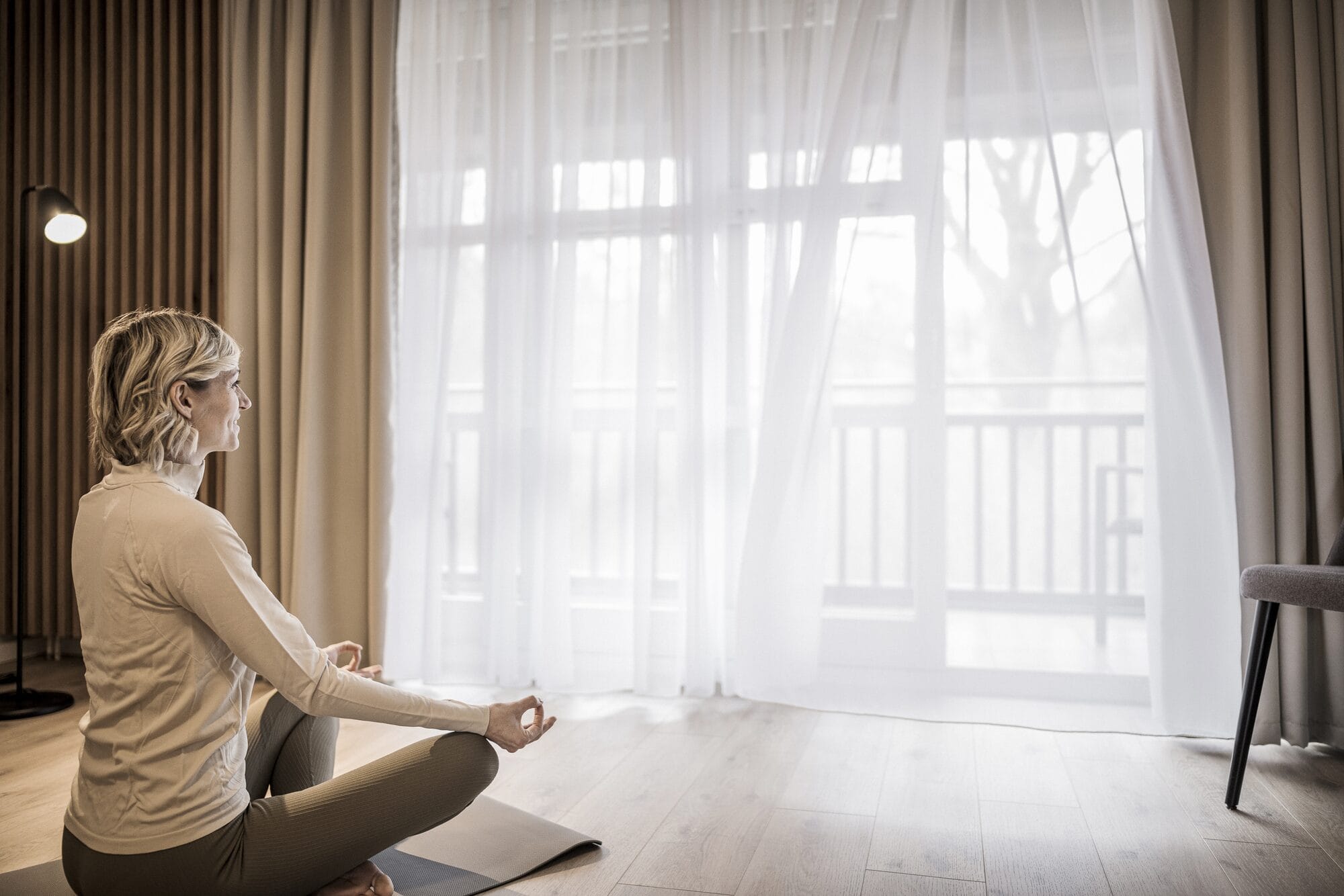
Sometimes change can begin with two days away
Can a weekend genuinely make a difference?
MY MAYR MED answers that question pragmatically. Two or three days can be a starting point, but they cannot replace long-term change. The resort does not claim that chronic metabolic issues can be resolved, meaningful muscle mass built or ageing processes reversed within such a short period.
The greater value may lie elsewhere: gaining some distance from everyday life, understanding one's current situation more clearly and leaving with a few concrete next steps.
That might mean a practical training plan, a different meal structure, greater attention to sleep or a more conscious approach to stress and workload.
As the resort puts it:
“A few changes that are implemented consistently are often more valuable than an extensive programme that cannot be continued at home.”
That sentence captures much of what MY MAYR MED means by longevity.
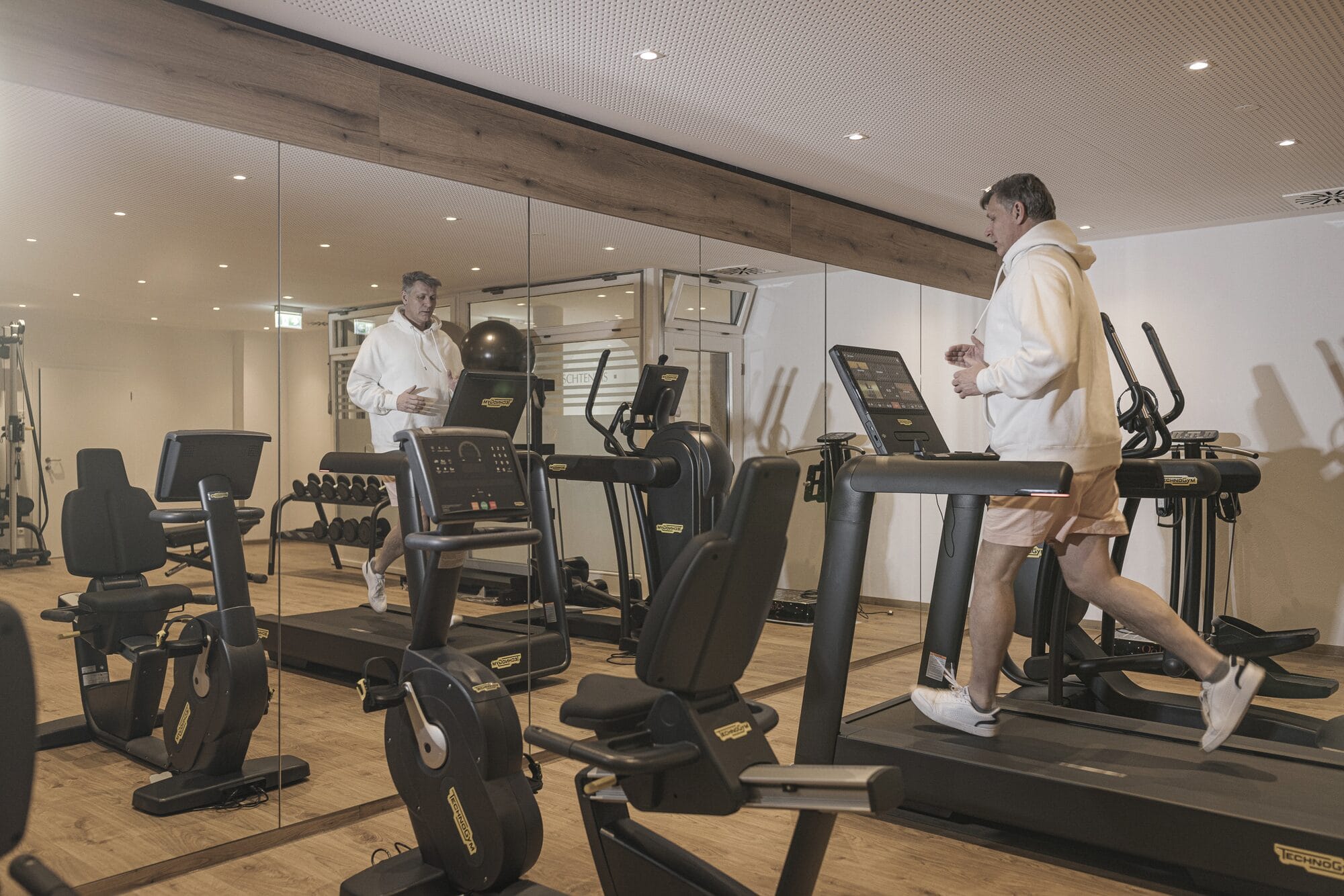
MY MAYR MED Resort
Check current rates and availability directly with the property.
Visit hotel websiteA new space between relaxation and prevention
The growing importance of health as a reason to travel can also be seen in the wider wellness economy. According to the Global Wellness Institute, the global wellness economy reached around US$6.8 trillion in 2024 and is forecast to approach US$9.8 trillion by 2029.⁴
For hotels, this creates an expanding field of opportunity – but also greater expectations. A swimming pool, sauna and massage menu belong to a different category from medical diagnostics, individual prevention programmes and physician-led care.
MY MAYR MED deliberately operates in the space between hospitality and preventive health. Hotel rooms, spa, restaurant, gym and medical services are intended to form parts of one coherent stay rather than separate offers.
For guests, that can make health prevention feel less like a clinical appointment and more like part of a restorative break. For the hotel, however, it also requires expertise and credibility extending well beyond conventional wellness hospitality.
That is precisely what makes the resort's position interesting. Longevity here is not defined by the most spectacular promise.
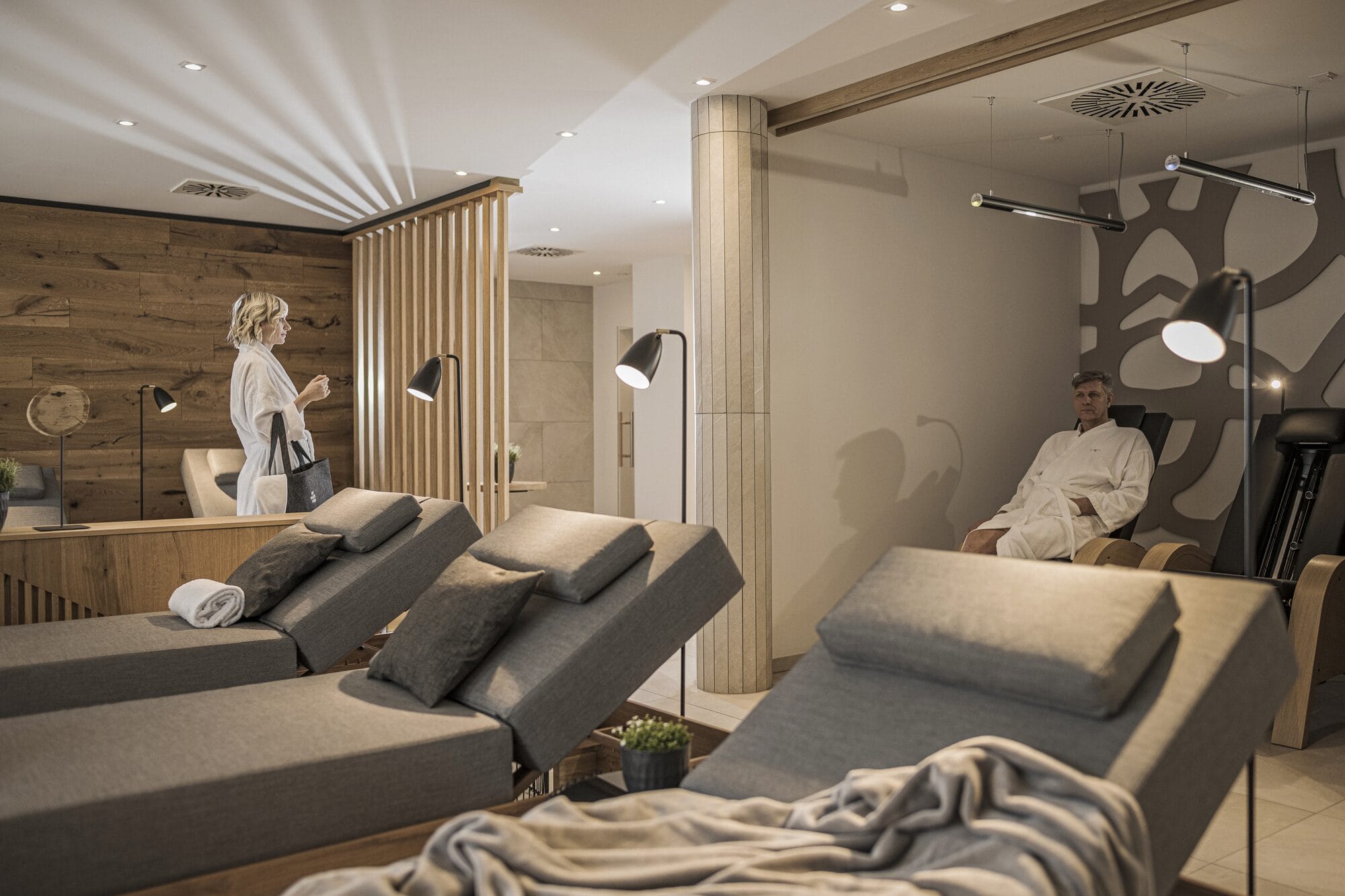
Perhaps credibility is the real luxury
When asked whether longevity represents a lasting development or merely the latest marketing trend, MY MAYR MED does not dismiss the risk of exaggeration.
Not every new application is automatically a medical breakthrough. And adding the word “longevity” does not make every offer scientifically sound. The resort is particularly cautious about sweeping rejuvenation promises and the idea that better health can simply be purchased through more devices, infusions or supplements.
For MY MAYR MED, the lasting core of the trend lies elsewhere. People increasingly want to take an active role in their own health and remain capable, mobile and independent for as long as possible. A health resort can provide something that is often scarce in everyday life: time, rest, movement, good food and professional medical support within the same environment.
Perhaps that is the more interesting development behind the current longevity boom. The future of health travel may not depend on offering ever more spectacular treatments. It may instead favour concepts that promise a little less – and give guests something they can still use after check-out.
One could put it more simply:
It is not about reaching a particular age. It is about getting as much as possible from the years ahead.
This article draws on publications by the Global Wellness Institute and original editorial research.
-
Global Wellness Institute (2026)
Aging Well Initiative Trends for 2026.
Blog post published on 3 April 2026. Trends related to healthspan, mobility, functional ability and independence. -
Global Wellness Institute (2026)
Wellness Tourism Initiative Trends for 2026.
Blog post published on 27 March 2026. Trends covering longevity travel, credibility, take-home plans and urban recovery travel. -
Global Wellness Institute (2026)
Lifestyle Medicine Initiative Trends for 2026.
Blog post published on 6 April 2026. Nutrition, physical activity, sleep and stress regulation as drivers of healthspan. -
Global Wellness Institute (2025)
Global Wellness Economy Monitor 2025.
Research report, 2025. Data on the global wellness economy in 2024 and projections through 2029.


