

Key points
- KAISERHOF Vienna opened in 1896 and celebrates its 130th anniversary in 2026. The current owning family has run the hotel since 1974.
- Two floors were modernised for the anniversary. New Superior rooms combine classic design elements with modern bathrooms, technology and contemporary comfort.
- With operating and staff costs having changed significantly, the independent hotel relies above all on staff retention, more efficient processes and digitalisation as support.
- At KAISERHOF, sustainability is meant to be part of everyday operations. This includes energy and water management, waste avoidance, regional products and durable materials.
When KAISERHOF Vienna welcomed its first guests in 1896, a guest lift, central heating, electric light and running water in every room were by no means standard hotel comfort. Back then, the hotel set out to be modern. 130 years later, the owning family faces essentially the same task: deciding what should change so that the hotel stays up to date – and what has to stay so that it is still the KAISERHOF.¹
At KAISERHOF, being modern is part of the tradition
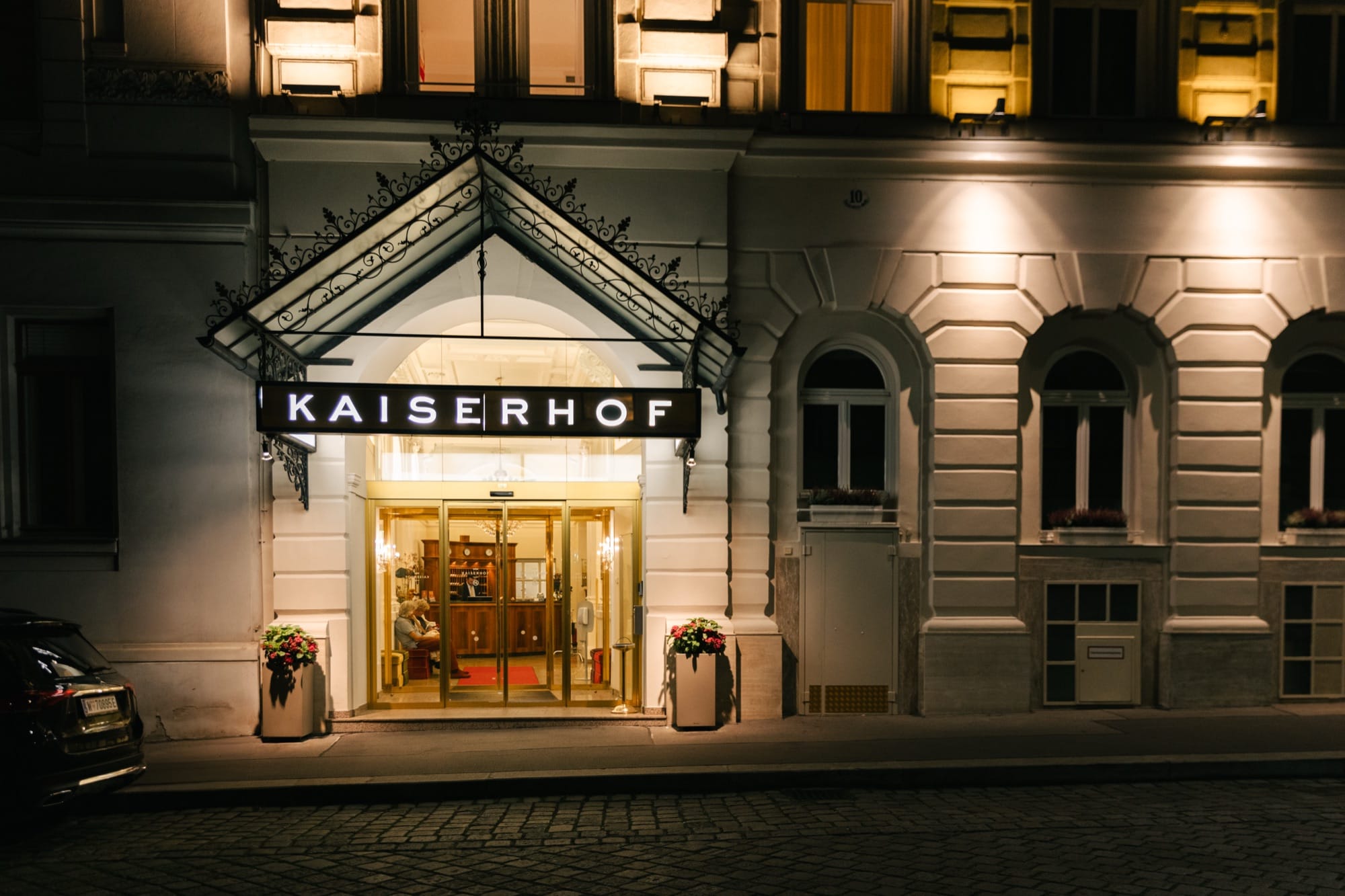
The hotel on Frankenberggasse was built in 1896 on the former Glacis grounds and, with its technical equipment, was considered one of the most modern hotels of its time.¹ The history of today's KAISERHOF therefore goes back a long way, but the defining period under the current owning family began in 1974. Since the takeover, there has been repeated investment and modernisation, says Christian Hofer. This has not only meant developing the building and its technology, but also the standards of quality and service.
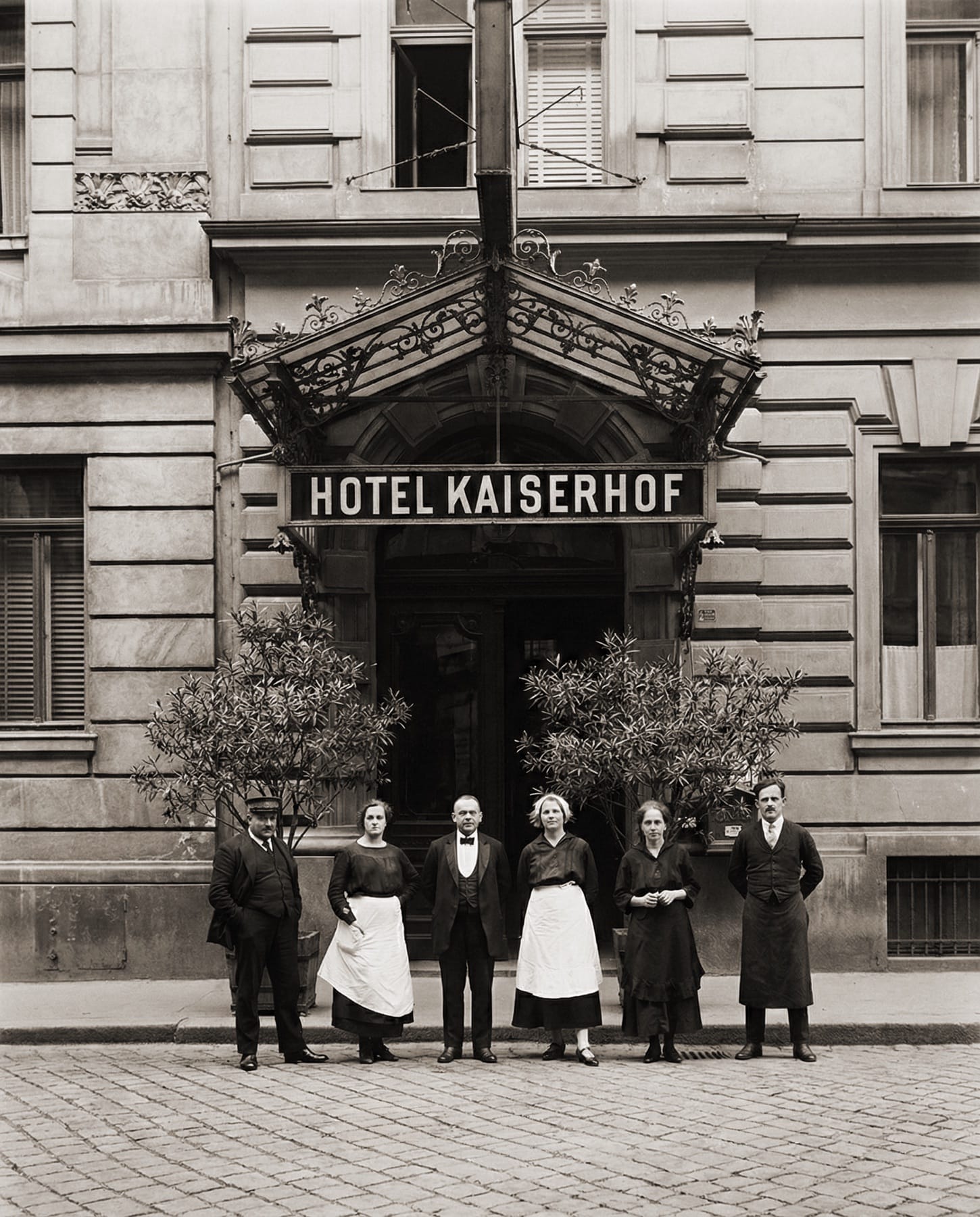
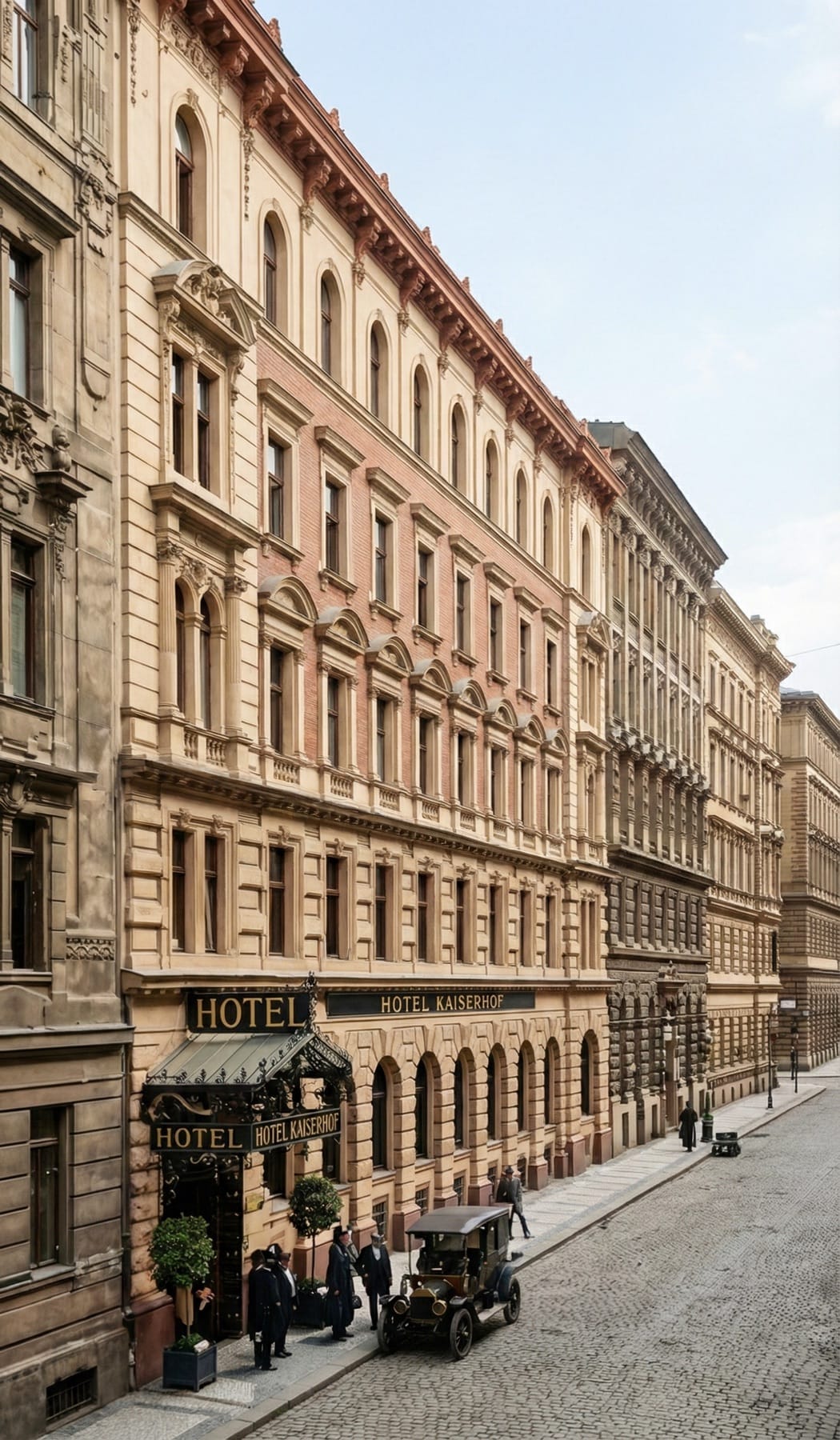
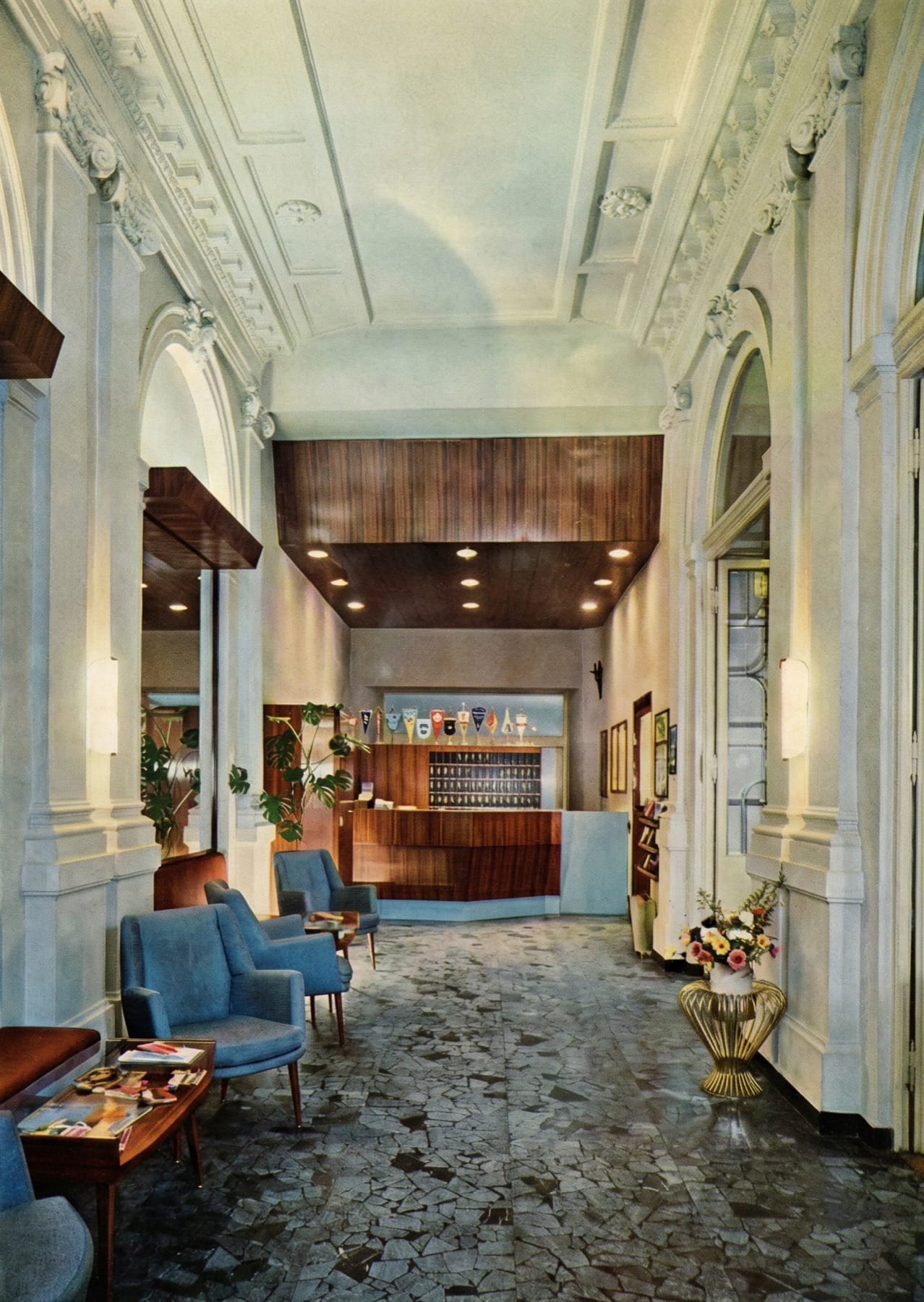
Historic photographs of KAISERHOF: staff in front of the entrance, street view and reception hall (AI-edited). Photo: Hotel KAISERHOF Wien
For Hofer, the real achievement is that the historic building has become a contemporary four-star hotel without giving up its individuality. Just as important, he says, are the people who stay with the hotel over the years: employees who remain with the company for a long time and guests who return regularly. He sees this very continuity as a sign that the combination of change and recognisability works.
The official hotel history traces this development from the opening at the end of the 19th century to the present day.² Today the hotel has 74 rooms and suites, combining its turn-of-the-century architecture with modern hotel facilities.¹
When tradition should not become a museum
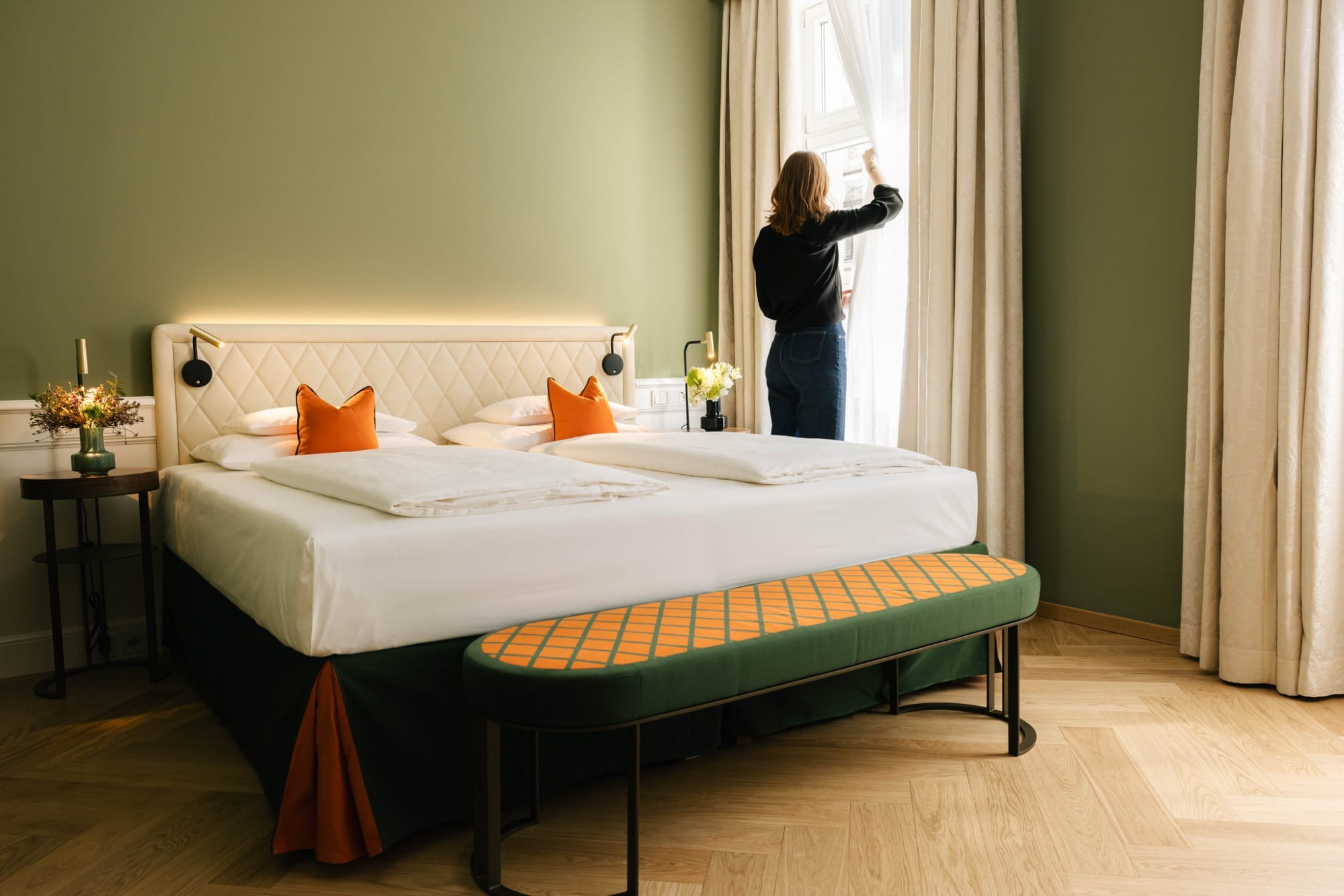
Two floors of the hotel were modernised for its 130th anniversary. For Hofer, work of this kind rests on a fundamental decision that many long-established hotels will recognise: a historic hotel lives from its character, but it cannot rely on that character alone to meet the expectations of future guests.
"Our basic principle is this: history must not become a museum – but it must not disappear either."
The central question in the latest renovation was therefore not how much could possibly be changed. What mattered, he says, was which changes are necessary for the hotel to remain successful in the decades to come – and which elements should explicitly not be given up in the process.
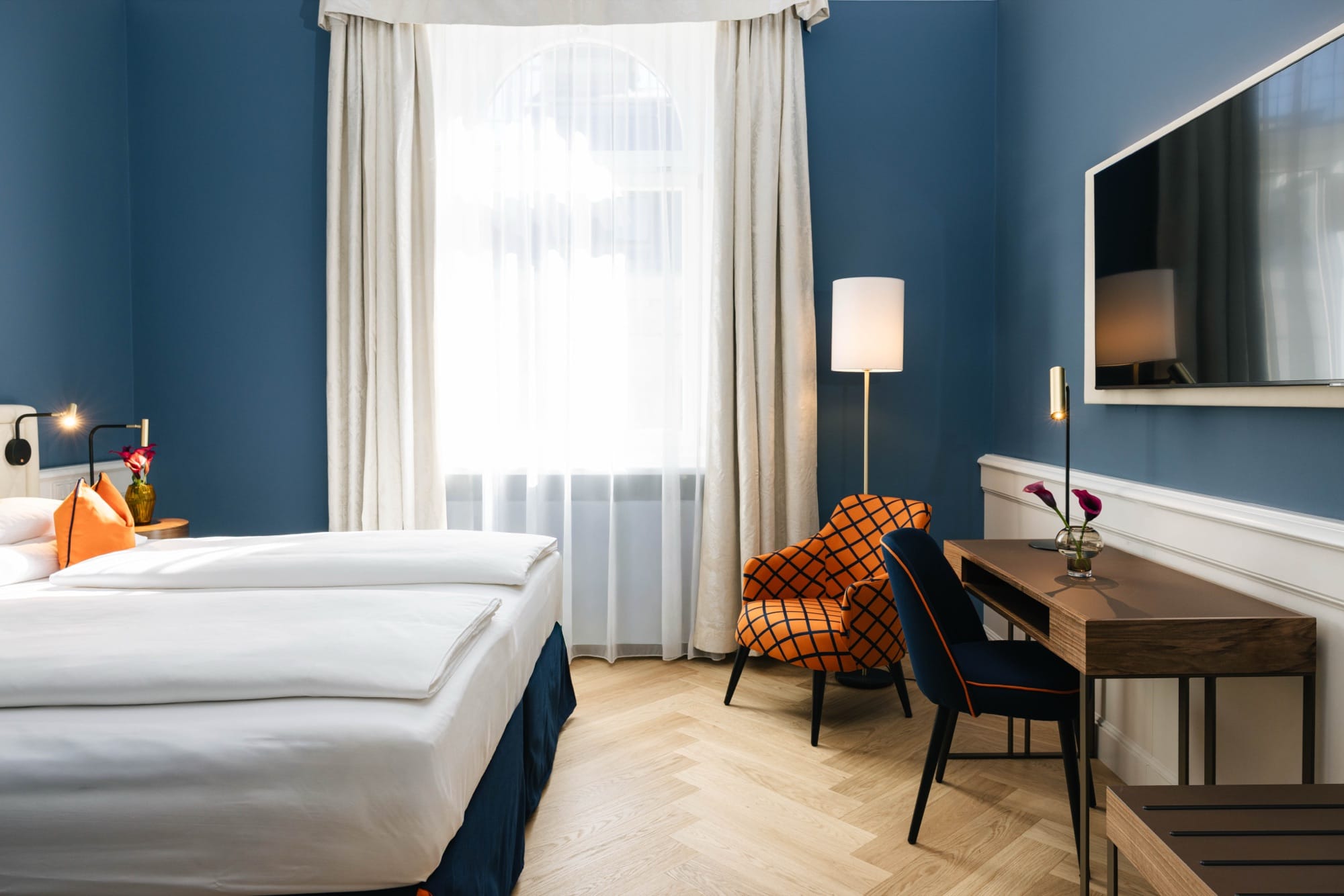
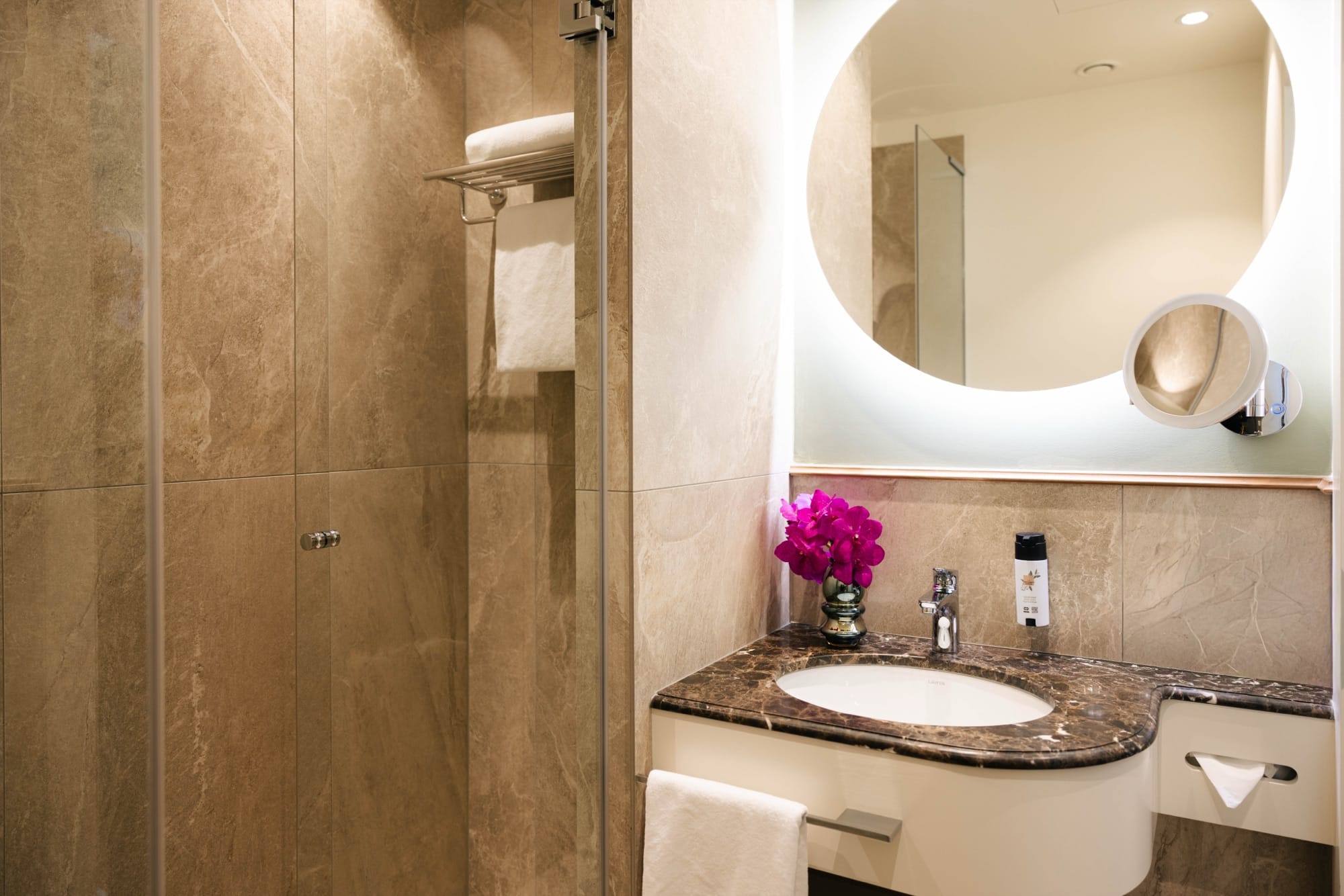
This approach becomes quite tangible in the new Superior rooms. Austrian solid wood furniture, high-quality materials and classic design elements meet modern bathrooms, walk-in showers, technical solutions and up-to-date comfort. The link to the past is not meant to be created through stage scenery, but to remain recognisable through materials, shapes and the atmosphere of the house.
Independence also means taking responsibility
For a family-run independent hotel, setting itself apart from international brands is an obvious topic. Hofer sees his hotel's advantage above all in short decision-making paths. KAISERHOF does not have to take international group structures or standardised requirements into account, he says, and can therefore respond directly to guests, employees and changes in the market.
In his view, however, this freedom has another side. "At the same time, independence also means responsibility. You can't simply justify decisions with a corporate guideline. You stand behind them yourself."
This also applies to the kind of hospitality on offer. Attentiveness, personality and the right feel for a situation cannot be fully defined by standards, says Hofer. Long-serving employees therefore take on a special importance for the hotel. The same goes for regular guests: when people come back over many years or even generations, a bond with the hotel develops that goes beyond a single booking.
Especially for an independent hotel, this makes clear what independence really has to rest on. It does not come about simply by not belonging to a chain. It has to be noticeable to guests in day-to-day operations.
Rising costs – and the question of the right employees
The economic conditions have changed for KAISERHOF, too. Energy, staff and other operating costs have changed significantly in recent years, Hofer explains. At the same time, guests' expectations of quality and service have not diminished.
When it comes to staff, the hotel therefore relies above all on long-term retention. Finding good employees is difficult, he says, but keeping them in the company afterwards is even more decisive. Hofer names appreciation, development opportunities, clear structures and a good working environment as key factors.
Digitalisation also plays a part, though not as a replacement for employees. It is meant to make processes more efficient and help to use existing resources sensibly. For a hotel that defines its personality precisely through human contact, this distinction is essential: technology can make work easier, but it cannot fully take over hospitality.
Sustainability without a sense of going without
Hofer describes the hotel's approach to sustainability in a similarly pragmatic way. The topic should not mainly serve communication purposes, but be part of operations. KAISERHOF has been ISO 9001 certified for more than 25 years and Green Globe certified for many years.¹
In everyday life, he says, it comes down to many individual decisions: conscious use of energy and water, waste avoidance, regional products, more efficient operating processes and the continuous optimisation of technical systems. In renovations, the lifespan of the materials used is also becoming more important. Hofer sees building to a high quality and to last as part of a sustainable use of resources as well.
For guests, this should ideally not mean any noticeable loss of comfort. In his view, sustainability does not need to be constantly highlighted, but should work quietly in the background as a matter of course in many places. This makes it less a single hotel offering than a question of how the business is run.
Knowing your own identity – and still not standing still
After 130 years, KAISERHOF's most interesting lesson is perhaps not about preserving as much history as possible. Rather, Hofer recommends that independent hoteliers know very precisely what their own hotel stands for. Not every hotel has to try to be everything to every guest. In a market with large international brands, it is precisely a hotel's own history, its personality and its relationships with people that are of value.
At the same time, tradition must not become a reason for postponing necessary developments. Technology, comfort, sales, digitalisation and guest expectations change regardless of how old a hotel is.
Hofer sums up this task in one question: "What defines us – and how can we develop exactly that further for the next generation?"
At KAISERHOF, the answer so far has not been to reinvent the hotel. It is to remain an independent hotel with a Viennese personality and a family atmosphere. After 130 years, tradition here therefore means above all deciding again and again what should stay – and changing in good time what needs to change.
Hotel KAISERHOF Vienna
Check current rates and availability directly with the property.
Visit hotel websiteThis article is based on the following sources:
-
mk Salzburg (2026)
Zwischen Punsch und Prater: Wiens schönste Seiten im Winter
Press release for Hotel KAISERHOF Wien, 9 October 2026. 130th anniversary, construction and amenities in 1896, 74 rooms and suites, certifications. Original publication in German. -
Hotel KAISERHOF Wien (2026)
Our history
Hotel history on the official website. Construction in 1896 on the former Glacis grounds, development of the family-run hotel over several generations.


